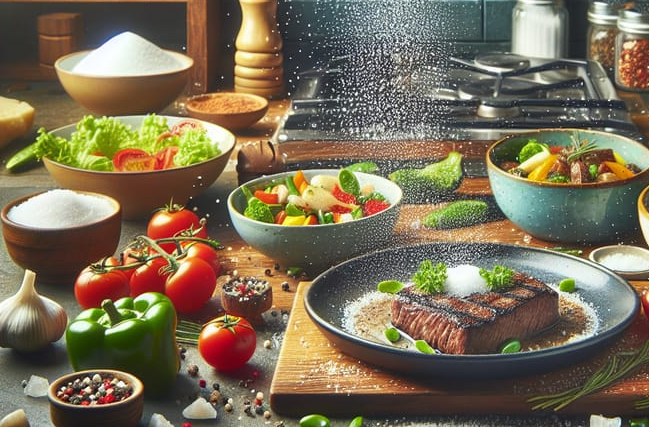
How to Use Salt Correctly to Elevate Any Dish
How to Use Salt Correctly to Elevate Any Dish
Salt is often considered the most essential ingredient in the kitchen. It has the unique ability to enhance flavors, elevate dishes, and transform ordinary meals into extraordinary experiences. However, knowing how to use salt correctly can sometimes feel like a culinary mystery. In this comprehensive guide, we’ll explore the various types of salt, the science behind salting, and practical tips on how to use salt to elevate your cooking. Whether you’re a novice cook or a seasoned chef, this guide will help you harness the power of salt in your kitchen.
The Importance of Salt in Cooking
Salt plays a vital role in cooking, and its importance goes beyond just flavor. Here are some reasons why salt is crucial in the culinary world:
- • Flavor Enhancer: Salt enhances the natural flavors of food, making dishes more delicious.
- • Preservative: Salt helps preserve foods by inhibiting the growth of bacteria.
- • Texture Modifier: Salt can affect the texture of meats and vegetables, helping to tenderize and draw out moisture.
- • Chemical Reactions: In baking, salt regulates yeast and strengthens gluten, which is essential for the structure of bread.
Types of Salt: Which One Should You Use?
Not all salts are created equal, and choosing the right type of salt can significantly impact your dish. Here’s a breakdown of some common types of salt:
| Type of Salt | Description | Best Uses |
|---|---|---|
| Table Salt | Fine grain salt, often iodized | Everyday cooking, seasoning at the table |
| Kosher Salt | Coarse grain salt, ideal for seasoning and koshering meat | General cooking, brining, and seasoning |
| Sea Salt | Harvested from evaporated seawater, available in fine and coarse grains | Finishing dishes, seasoning meats and vegetables |
| Himalayan Pink Salt | Mined from salt deposits, contains trace minerals | Finishing dishes, cooking on salt blocks |
| Fleur de Sel | Hand-harvested sea salt, delicate and flaky | Finishing dishes, desserts, and gourmet cooking |
| Flavored Salt | Salt infused with herbs, spices, or other flavors | Enhancing specific dishes or adding unique flavors |
The Science of Salting: When and How to Salt
Understanding when and how to salt your food is essential for achieving the best flavor. Here are some key principles to keep in mind:
1. Seasoning at Different Stages
- • Before Cooking: Seasoning your ingredients before cooking allows salt to penetrate and enhance flavors. For meats, dry brining (salting before cooking) can improve texture and juiciness.
- • During Cooking: Adding salt while cooking allows flavors to develop and meld. Taste as you go to adjust seasoning.
- • After Cooking: Finishing with a sprinkle of salt can add texture and a burst of flavor. This technique is especially effective with flaky salts like fleur de sel or sea salt.
2. Salt Ratios
While the right amount of salt can enhance a dish, too much can ruin it. A good rule of thumb is:
- • 1 teaspoon of salt per pound of meat for seasoning.
- • 1/2 teaspoon of salt per cup of water when cooking grains or pasta.
3. Salting Vegetables
When cooking vegetables, salting at the right time can draw out moisture and enhance flavor. Here’s how:
- • Raw Vegetables: Salt can be used to draw out excess water (think cucumbers or eggplants). Sprinkle salt and let them sit for 15-30 minutes before cooking.
- • Cooked Vegetables: Add salt towards the end of cooking to ensure they retain their natural sweetness.
Techniques for Proper Salting
To get the most out of salt, consider these techniques:
1. Dry Brining
Dry brining is a technique where you rub salt directly onto the surface of meat and let it rest for a few hours (or overnight). This method helps retain moisture and enhances flavor. Here’s how to do it:
- • Step 1: Pat the meat dry with paper towels.
- • Step 2: Rub salt evenly over the surface (about 1 teaspoon per pound).
- • Step 3: Let it rest uncovered in the refrigerator for at least 1 hour or up to overnight.
2. Salt Crusts
Cooking meats or fish in a salt crust can create a flavorful and moist result. Here’s how:
- • Step 1: Mix kosher salt with egg whites to create a paste.
- • Step 2: Coat the protein completely with the salt mixture.
- • Step 3: Bake until the crust hardens and the meat is cooked through. Break the crust before serving.
3. Salting Pasta Water
When cooking pasta, salting the water is essential. Here’s why:
- • Step 1: Use about 1 tablespoon of salt per gallon of water.
- • Step 2: Add salt once the water is boiling for maximum flavor infusion.
- • Step 3: The pasta absorbs some of the salt, enhancing its flavor without needing as much sauce.
Common Mistakes to Avoid
While salt is a straightforward ingredient, there are common pitfalls to watch out for:
- • Over-Salting: It’s easy to add too much salt. Rely on taste tests and add a little at a time.
- • Ignoring Quality: Not all salts have the same flavor. Experiment with different salts to find your preference.
- • Using Salt from the Container: Instead of pouring salt directly from the container, use your fingers or a measuring spoon for precise control.
- • Neglecting to Taste: Always taste your dish throughout the cooking process. Adjust salt as needed.
Creative Ways to Use Salt in Cooking
Salt isn’t just for seasoning; it can be a creative ingredient in various ways:
1. Salted Caramel
Combine salt with sugar to create a delicious salted caramel sauce that pairs beautifully with desserts.
2. Herb-Infused Salt
Create your own herb-infused salt by mixing salt with dried herbs or citrus zest. Use it to season dishes or as a finishing touch.
3. Salt-Roasted Vegetables
Roasting vegetables in a bed of salt can create unique flavors and textures. The salt helps to draw out moisture and enhances the natural sweetness.
Conclusion
Salt is a powerful tool in the kitchen when used correctly. By understanding the different types of salt, mastering salting techniques, and being mindful of common mistakes, you can elevate your dishes to new heights. Remember, cooking is an art, and like any artist, you must practice and experiment to find your unique flavor profile. So, don your apron, grab your favorite type of salt, and start enhancing your culinary creations today!
With these tips and techniques, you’ll not only improve your cooking skills but also impress your family and friends with delicious, flavorful dishes. Happy cooking!