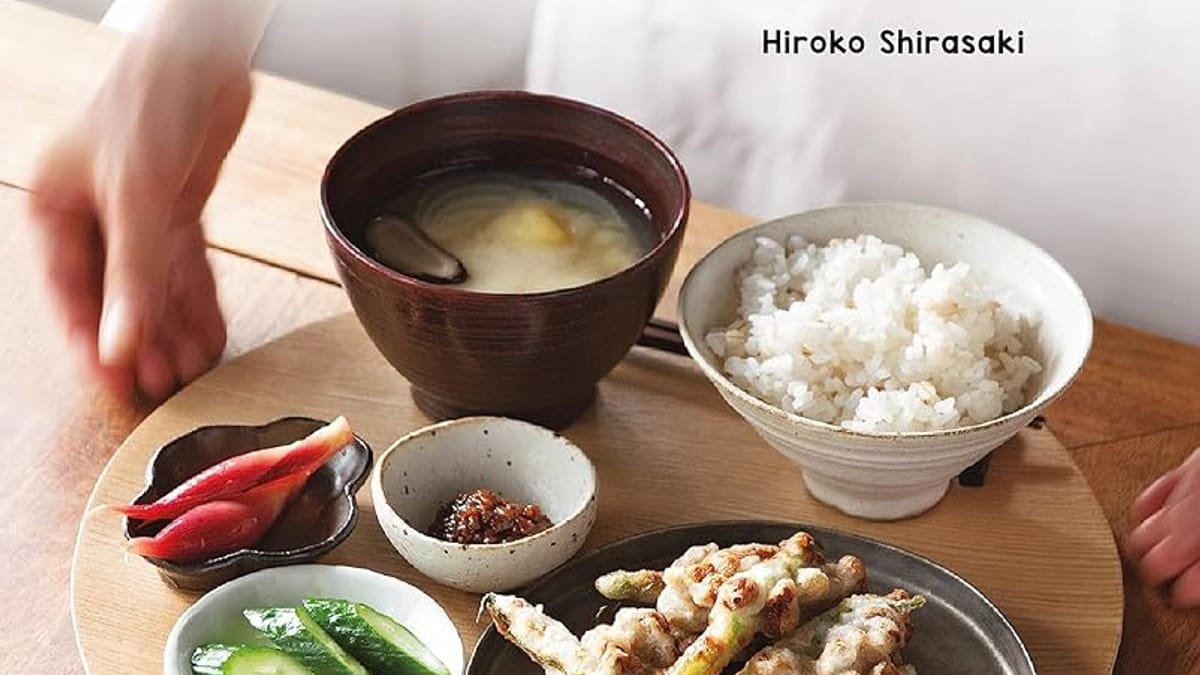
How to Use Fermentation to Boost Flavor at Home
Fermentation is one of those magical processes that can completely transform the flavor of our food, taking it from mundane to extraordinary. It’s not just a method of preserving food; it’s a way to enhance its taste and aroma, creating complexity that can elevate any dish we prepare at home. Whether you’re a seasoned cook or just starting your culinary journey, incorporating fermentation into your kitchen repertoire can open up a world of flavor possibilities.
Let’s explore how we can use fermentation to boost flavor in our cooking, diving into the science behind it, the various methods we can employ, and practical tips for bringing fermented goodness into our meals.
The Science of Fermentation
At its core, fermentation is a natural process where microorganisms like bacteria, yeasts, and molds break down sugars and starches in food. This process not only preserves food but also creates a variety of flavors and textures. For instance, think about how the tangy bite of yogurt comes from lactic acid produced by bacteria during fermentation, or how the depth of flavor in sourdough bread arises from a complex interplay of wild yeast and bacteria.
When we ferment, we’re not just relying on these microorganisms to do the heavy lifting; we’re also encouraging beneficial bacteria that can enhance digestion and gut health. This is why many people are increasingly drawn to fermented foods—not just for their taste but for their potential health benefits.
Getting Started with Fermentation
Before we dive into specific fermentation techniques, let’s familiarize ourselves with some of the most common types of fermentation we can easily do at home.
Lactic Acid Fermentation
Lactic acid fermentation is one of the simplest forms we can begin with. It’s the process that gives us pickles, sauerkraut, kimchi, and even yogurt. In this method, naturally occurring lactobacillus bacteria convert sugars into lactic acid, creating that signature tangy flavor.
To start, we can simply salt vegetables—like cucumbers or cabbage—and allow them to sit in their own juices. The salt draws out moisture and creates an environment where good bacteria can thrive while inhibiting spoilage.
Alcoholic Fermentation
This process is primarily associated with the making of beer and wine, where yeast converts sugars into alcohol and carbon dioxide. While this might seem more advanced, we can experiment with homemade fruit wines or even ginger beer.
Acetic Acid Fermentation
This is the fermentation process behind vinegar. When we allow alcohol to oxidize, acetic acid bacteria convert it into vinegar. This might be a bit more complex for beginners, but it’s an exciting avenue to explore as we gain confidence in our fermentation skills.
Essential Equipment for Home Fermentation
Starting our fermentation journey doesn’t require a lot of fancy equipment. Here are a few essentials we should consider having in our kitchen:
- • Glass Jars: Wide-mouthed glass jars are ideal for fermenting vegetables. They allow us to see the process and are easy to clean.
- • Weights: Using weights can help keep our vegetables submerged in their brine, ensuring that they ferment properly.
- • Cloth or Lids: A breathable cloth or specially designed fermentation lid will help keep unwanted bacteria out while allowing gases to escape.
- • pH Strips (Optional): If we want to get scientific, pH strips can help us monitor the acidity of our ferments, ensuring they’re safe to eat.
Fermentation Techniques to Try at Home
Now that we have a basic understanding of fermentation, let’s dive into some specific techniques we can easily try at home. Each of these methods not only boosts flavor but can also inspire creativity in our cooking.
Quick Pickling
Quick pickling is a delightful entry into the world of fermentation. By combining vinegar, water, sugar, and salt, we can create a brine that can quickly pickle vegetables. This method doesn’t require long fermentation times but can still add a punch of flavor to our dishes.
To get started, we can thinly slice vegetables like radishes, onions, or cucumbers and immerse them in our brine. After a few hours (or overnight), these quick pickles can be used as toppings for tacos, salads, or sandwiches, introducing a bright, tangy flavor that can transform our meals.
Sauerkraut and Kimchi
Making sauerkraut or kimchi is a wonderful way to dive deeper into lactic acid fermentation. For sauerkraut, we can finely shred cabbage, mix it with salt, and pack it tightly into a jar. The salt will draw out moisture, creating a brine that submerges the cabbage, allowing the fermentation process to begin.
Kimchi, on the other hand, is a bit more complex and packed with flavor. We can use napa cabbage, radishes, and a variety of seasonings like garlic, ginger, and chili flakes. The beauty of kimchi is that we can customize the flavors to suit our preferences. After a few days at room temperature, we can taste the kimchi and decide when it's just right for our palate.
Fermented Hot Sauce
For those of us who crave a spicy kick, making a fermented hot sauce is an exciting project. We can blend fresh peppers with garlic and a bit of salt, then let the mixture ferment in a jar for a couple of weeks. The result is a complex, tangy hot sauce that can enhance everything from grilled meats to roasted vegetables.
Yogurt and Kefir
If we’re interested in dairy fermentation, making yogurt or kefir at home is both rewarding and delicious. All we need is milk and a starter culture (which can be store-bought or from a previous batch). By keeping the mixture warm and undisturbed for several hours, we can create creamy, tangy yogurt that’s perfect for breakfast or as a base for dressings and dips.
Flavor Pairings with Fermented Foods
Once we’ve started incorporating fermented foods into our kitchen, we might wonder how to best pair them with other ingredients to maximize flavor. Here are a few ideas to inspire us:
- • Pickles and Sandwiches: The acidity of pickled vegetables can cut through rich meats like pastrami or pulled pork, adding a refreshing crunch.
- • Sauerkraut and Sausages: The tangy flavor of sauerkraut complements the savory notes of sausages beautifully, making for a classic pairing.
- • Kimchi and Rice Dishes: Whether in a stir-fry or served alongside fried rice, kimchi adds a depth of flavor and a delightful crunch.
- • Yogurt and Spices: A dollop of yogurt can mellow out spicy dishes, while also adding creaminess and tang.
Troubleshooting Common Fermentation Issues
As with any culinary endeavor, fermentation can come with its challenges. It’s important to keep an eye on our ferments and be aware of potential issues. If we notice any off smells or colors, it’s best to err on the side of caution and discard the batch.
Sometimes, our ferments may not develop the desired tang. This could be due to insufficient salt or temperature fluctuations. We can adjust our process by ensuring the right amount of salt is used and keeping our ferments in a consistent, warm environment.
Embracing Creativity in Fermentation
One of the most exciting aspects of fermentation is the room it leaves for creativity. As we gain confidence in our fermentation skills, we can start experimenting with different flavor combinations, ingredients, and fermentation times. We might try adding herbs or spices to our pickles or using different types of vinegar for our quick pickles.
Fermentation is a journey, and the more we explore, the more we will discover the unique flavors that resonate with us. Think of it as a culinary adventure, where each batch brings us closer to understanding the art of flavor.
Bringing Fermentation into Everyday Cooking
As we embrace fermentation, we can find simple ways to incorporate these flavors into our everyday cooking. Imagine a charcuterie board adorned with homemade pickles, a salad topped with kimchi, or a yogurt-based sauce drizzled over roasted vegetables. The possibilities are endless, and the flavors are sure to impress.
Let’s not forget that fermented foods can also be a conversation starter. Sharing our homemade creations with friends and family can spark curiosity and inspire others to explore fermentation in their kitchens.
Fermentation as a Sustainable Practice
In addition to boosting flavor, fermentation is a sustainable practice. By preserving excess fruits and vegetables through fermentation, we can reduce food waste and make the most of seasonal produce. It’s a beautiful way to connect with the ingredients we choose, celebrating their flavors while contributing to a more sustainable food system.
As we ferment at home, we can also take the opportunity to learn about the ingredients we use. Understanding where our food comes from and how it’s grown can deepen our appreciation for the flavors we create.
The Journey Ahead
As we wrap up this exploration of fermentation, we hope you feel inspired to dive into this flavorful world in your own kitchen. It’s a journey that will not only enhance the taste of our meals but also connect us with the age-old traditions of food preservation.
So grab some vegetables, fruits, or dairy, and let’s get started on our fermentation adventure. With a little patience and creativity, we can unlock a new realm of flavors that will make our home cooking truly exceptional. Whether it’s a quick pickle to accompany dinner or a batch of tangy kimchi to spice up our meals, the possibilities are as endless as our imagination. Happy fermenting!