How to Store Herbs and Keep Them Fresh
When we think about enhancing our culinary creations, fresh herbs often come to mind. Their vibrant flavors and aromatic qualities can elevate even the simplest of dishes. But have you ever found yourself excitedly purchasing a bunch of fresh basil or cilantro, only to watch them wilt and lose their potency within days? We’ve all been there, and it can be disheartening. Thankfully, with a bit of knowledge about how to store herbs properly, we can keep them fresh for much longer and make the most of our herbaceous bounty.
Understanding Fresh Herbs
Before diving into storage techniques, let’s quickly familiarize ourselves with why fresh herbs are so special. Herbs can be classified into two main categories: tender and hardy. Tender herbs, such as basil, cilantro, and parsley, are delicate and thrive in a warmer environment. In contrast, hardy herbs like rosemary, thyme, and oregano can withstand cooler temperatures and have a longer shelf life. Understanding these differences can help us determine the best storage methods for each type.
Preparing Fresh Herbs for Storage
Once we’ve selected our fresh herbs, the next step is to prepare them for storage. Start by gently rinsing the herbs under cool running water to remove any dirt or debris. After washing, we need to dry them carefully. A salad spinner works wonders for this task, but if you don’t have one, simply pat the herbs dry with a clean kitchen towel. Excess moisture can lead to quicker spoilage, so this step is crucial.
Storing Tender Herbs
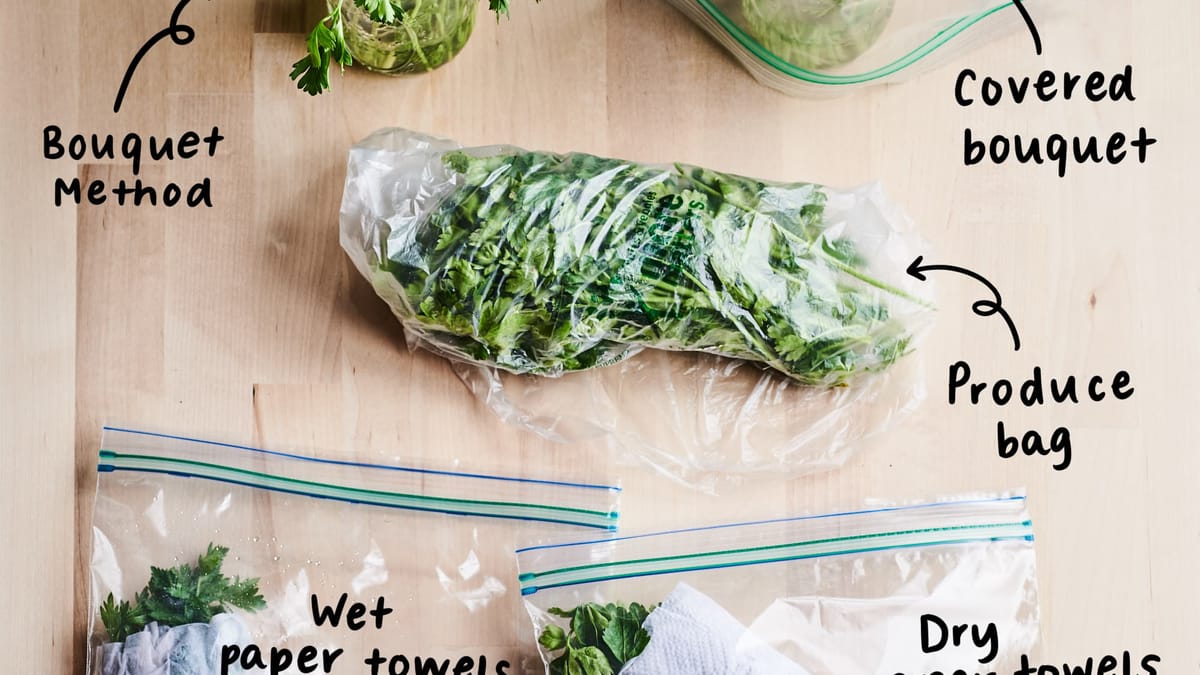
Tender herbs require a little extra care due to their delicate nature. One of the best methods we’ve discovered is the “herb bouquet” technique. Begin by trimming the stems at an angle, about an inch from the bottom. This allows the herbs to absorb water more effectively. Next, fill a glass or jar with a small amount of water—enough to cover the stems but not the leaves. Place the herbs upright in the glass, and cover the leaves loosely with a plastic bag to create a mini greenhouse effect. Store the jar in the refrigerator, and change the water every few days to keep them fresh and vibrant.
Another option for storing tender herbs is to wrap them in a damp paper towel and place them inside a resealable plastic bag. Make sure to remove as much air as possible before sealing. This method helps maintain humidity and prevents the herbs from wilting. However, it’s essential to check on them regularly to ensure they’re not getting too soggy.
Storing Hardy Herbs
Hardy herbs are a bit more forgiving when it comes to storage. One effective method is to place them in a resealable plastic bag or an airtight container with a damp paper towel. This helps regulate moisture levels, preventing the herbs from drying out. We recommend placing them in the crisper drawer of the refrigerator, where the temperature is more consistent.
Another fantastic way to store hardy herbs is by freezing them. Simply chop the herbs finely and place them in an ice cube tray. Fill the compartments with water or olive oil, and freeze. Once frozen, pop the cubes out and transfer them to a resealable bag. This method not only preserves the flavor of the herbs but also provides us with convenient, ready-to-use portions whenever we need to add a burst of freshness to our dishes.
Drying Herbs
If we find ourselves with an abundance of herbs that we can’t use in time, drying is an excellent option. Drying preserves the flavor while allowing us to enjoy herbs long after their harvest. To dry herbs, we can hang them upside down in small bundles in a warm, dry area away from direct sunlight. Alternatively, we can use a dehydrator or our oven on the lowest setting, checking frequently to ensure we don’t over-dry them.
Once dried, it’s important to store the herbs in airtight containers in a cool, dark place. Remember to label the containers, as dried herbs can sometimes look similar. While dried herbs don’t have the same intensity as fresh, they can still add wonderful flavor to our cooking.
Using Fresh Herbs Effectively
Even with the best storage techniques, fresh herbs can only last so long. To maximize their use, we can incorporate them into our meals regularly. A handful of fresh herbs can transform a simple pasta dish or salad into something extraordinary. Think about making herb-infused oils, pestos, or sauces that allow us to use up larger quantities at once.
If we find ourselves with leftover herbs nearing their end, consider blending them into smoothies, or using them in marinades for meats and vegetables. The possibilities are endless, and getting creative with our cooking can help us use up every last leaf.
A Word on Herb Substitutions
While fresh herbs are delightful, it’s worth noting that dried herbs can serve as effective substitutes in a pinch. The general rule of thumb is to use one-third the amount of dried herbs compared to fresh, as dried herbs are more concentrated in flavor. However, when available, nothing compares to the fresh burst of flavor that a sprig of rosemary or a handful of basil can provide.
Final Thoughts
Storing herbs properly not only enhances our culinary experience but also helps us reduce waste. By understanding the unique needs of tender and hardy herbs, we can extend their freshness and enjoy their vibrant flavors in our dishes. Embracing different storage methods, from herb bouquets to freezing techniques, opens up a world of possibilities.
So the next time we pick up a bunch of fresh herbs, let’s remember these tips and savor the joy they bring to our cooking. With a little care, we can keep our herbs fresh and ready to inspire our culinary adventures!