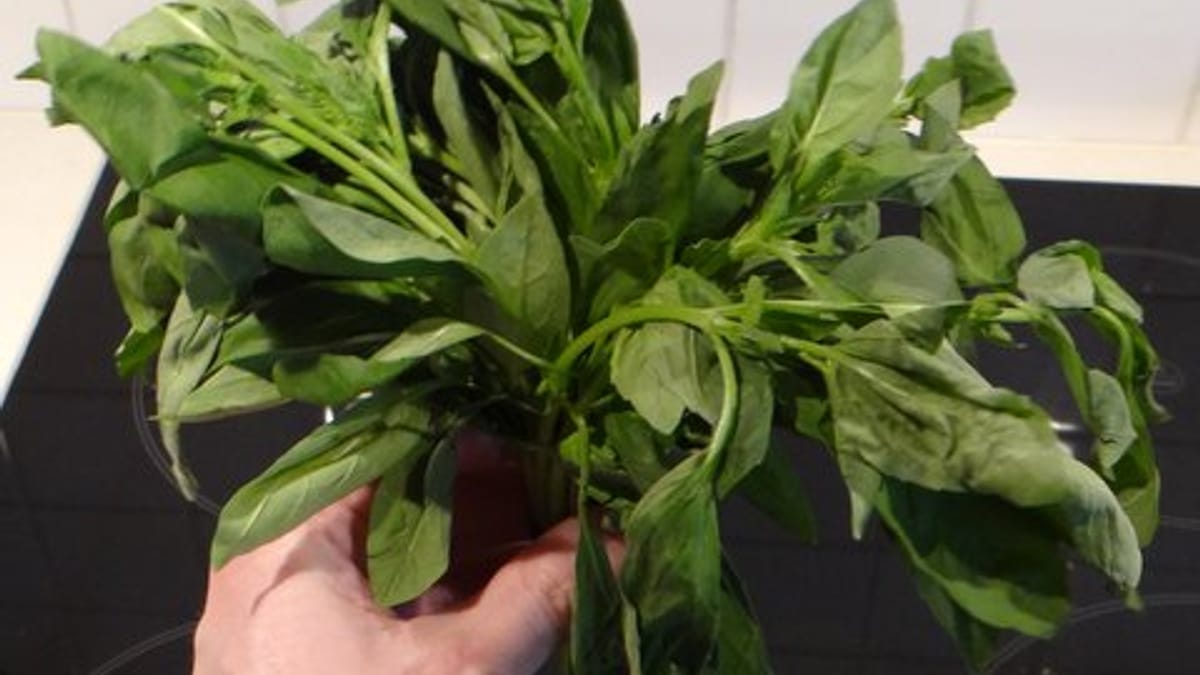
How to Revive Wilted Greens and Stale Bread
How to Revive Wilted Greens and Stale Bread
Have you ever opened your fridge or pantry only to find a sad bunch of wilted greens and a loaf of stale bread staring back at you? Don’t despair! Both of these items can be revived and transformed into delicious meals with just a little creativity and some handy techniques. In this post, we’ll explore practical ways to bring life back to your greens and bread, helping you reduce waste and enjoy more vibrant dishes.
Understanding Wilted Greens
What Causes Greens to Wilt?
Greens, such as spinach, kale, and lettuce, wilt due to a loss of moisture. This can happen for various reasons:
- • Improper storage: Greens stored in a sealed plastic bag without air circulation can lose moisture.
- • Age: Greens naturally lose water content over time, especially if they’ve been sitting in your fridge for a while.
- • Temperature: Leaving greens at room temperature for too long can also lead to wilting.
Types of Greens You Can Revive
Most leafy greens can be revived, including:
- • Spinach
- • Kale
- • Arugula
- • Romaine lettuce
- • Swiss chard
How to Revive Wilted Greens
Basic Revival Techniques
Reviving wilted greens is simple and can be accomplished in just a few steps. Here’s how:
- 1. Cold Water Soak:
- 2. Ice Water Bath:
- 3. Spin Dry:
Creative Uses for Revived Greens
Now that your greens are back to life, here are some delicious ways to use them:
- • Salads: Toss revived greens with your favorite salad ingredients.
- • Smoothies: Add them to your morning smoothie for a nutrient boost.
- • Stir-fries: Incorporate them into a quick stir-fry with protein and other vegetables.
- • Soups: Stir into soups or stews for added flavor and nutrition.
- • Wraps: Use larger leaves like kale or Swiss chard as wraps for filling, like hummus and veggies.
Understanding Stale Bread
Why Does Bread Go Stale?
Bread becomes stale when it loses moisture and the starches in the bread undergo a process called retrogradation, making the bread firm and dry. Factors contributing to stale bread include:
- • Exposure to air
- • Improper storage conditions
- • The type of bread (some breads stale faster than others)
Types of Bread That Can Be Revived
Almost any type of bread can be revived, including:
- • Baguettes
- • Sourdough
- • Whole grain
- • Sandwich bread
- • Ciabatta
How to Revive Stale Bread
Quick Revival Techniques
Reviving stale bread is quick and easy. Here’s how to do it:
- 1. Moisture Method:
- 2. Microwave Method:
- 3. Stovetop Method:
Delicious Recipes Using Stale Bread
Stale bread can be transformed into delightful dishes. Here are some recipes to inspire you:
1. Bread Pudding
A classic dessert that uses stale bread. Combine torn bread with a mixture of eggs, milk, sugar, and your favorite spices. Bake until set and golden.
2. Panzanella Salad
A Tuscan bread salad that features stale bread cubes mixed with ripe tomatoes, cucumbers, onion, and a simple vinaigrette. It’s perfect for summer!
3. Croutons
Cut stale bread into cubes, toss with olive oil, garlic, and herbs, and bake until golden. Use them to top salads or soups.
4. French Toast
Revive stale bread by soaking it in a mixture of eggs, milk, and vanilla, then cook it on a skillet for a delicious breakfast treat.
5. Bruschetta
Slice stale bread, toast it lightly, and top with diced tomatoes, basil, garlic, and olive oil for a quick appetizer.
| Recipe | Main Ingredients | Cooking Time |
|---|---|---|
| Bread Pudding | Stale bread, eggs, milk, sugar | 45 minutes |
| Panzanella Salad | Stale bread, tomatoes, cucumbers, onion | 15 minutes |
| Croutons | Stale bread, olive oil, garlic, herbs | 20 minutes |
| French Toast | Stale bread, eggs, milk, vanilla | 15 minutes |
| Bruschetta | Stale bread, tomatoes, basil, garlic | 10 minutes |
Conclusion
Reviving wilted greens and stale bread not only breathes new life into your kitchen but also helps you reduce food waste, save money, and enjoy delicious meals. With the techniques and recipes shared in this post, you can transform those forgotten ingredients into vibrant dishes that bring joy to your table. So next time you find yourself facing wilted greens or stale bread, remember these tips and get creative in the kitchen! Happy cooking!