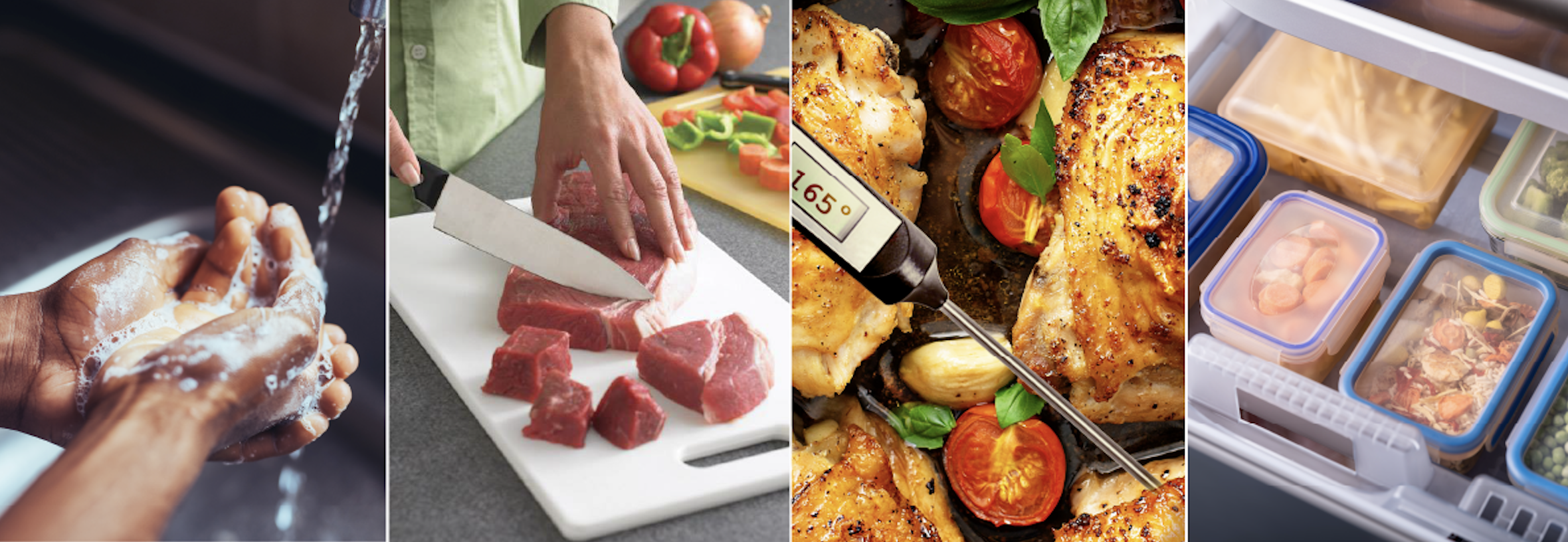
How to Prevent Cross-Contamination in Your Kitchen
In our bustling kitchens, where we whip up everything from simple weeknight dinners to elaborate feasts, the last thing we want is for our cooking endeavors to be marred by foodborne illnesses. One of the sneakiest culprits behind these unfortunate events is cross-contamination. This term might sound technical, but at its core, it’s about preventing harmful bacteria from one food item transferring to another, particularly when it comes to raw and cooked foods. So, let’s dig into some practical, friendly strategies we can all implement to keep our kitchens safe and our meals delicious.
Understanding Cross-Contamination
To really grasp how to prevent cross-contamination, we first need to understand what it is and why it matters. Cross-contamination occurs when harmful microorganisms—like bacteria from raw meats, vegetables, or other foods—transfer to foods that are ready to eat. This can happen in several ways: through direct contact, unclean surfaces, or even via our hands. With food safety, we want to keep our kitchen a haven for health, not a hotspot for bacteria.
When we look at the statistics, it’s a bit alarming; the Centers for Disease Control and Prevention (CDC) estimates that one in six Americans gets sick from foodborne diseases each year. By implementing some straightforward practices, we can significantly reduce this risk.
Creating a Clean Workspace
The first step in preventing cross-contamination begins with our workspace. A clean kitchen is a happy kitchen, and we should start with a thorough cleaning before we even think about cooking.
Begin by sanitizing all surfaces. This includes countertops, cutting boards, and utensils. Using a simple mixture of warm water and soap can work wonders, but for an extra layer of protection, we can follow up with a solution of one tablespoon of unscented liquid chlorine bleach to one gallon of water. We should let the surfaces air dry, allowing the solution to do its job of killing off any lingering bacteria.
We also need to pay attention to our sponges and dishcloths. These tools can harbor bacteria if not cleaned regularly. Tossing sponges in the dishwasher or microwave (when damp) for a few minutes can help, and we should replace them frequently to keep our cleaning efforts effective.
Smart Food Storage Practices
Once our workspace is clean, we can turn our attention to food storage. Proper storage not only keeps our ingredients fresh but also helps prevent cross-contamination.
When we go grocery shopping, we should be mindful of how we pack our bags. Raw meats should always be stored separately from other items to prevent juices dripping onto fruits, vegetables, or other foods. A good rule of thumb is to place raw meat in a separate bag, preferably at the bottom of the cart to avoid any potential leaks.
Once we’re home, we should store raw meats on the lowest shelf of the refrigerator. This way, if any juice escapes, it won’t drip onto ready-to-eat items like salads or desserts. We can also take the extra step of placing raw meat on a tray or in a container to catch any drips.
When it comes to leftovers, we should remember to store them in clean, airtight containers. Labeling them with the date they were made can help us keep track of freshness and avoid eating anything that might be past its prime.
Choosing the Right Cutting Boards
Cutting boards are essential tools in our kitchen, but they can also be hotbeds for cross-contamination if we’re not careful. To minimize risk, we should consider having separate cutting boards for different food types. For example, using one board for raw meats and another for vegetables can help keep things safe.
If we’re using wooden cutting boards, we should be aware that they can absorb bacteria if not properly maintained. Regularly oiling our wooden boards with food-safe mineral oil can help protect them. Plastic cutting boards, on the other hand, can be placed in the dishwasher for thorough cleaning.
After cutting meats, we should always wash our cutting boards with hot, soapy water and sanitize them afterward. A quick wipe down isn’t enough; we need to ensure that any harmful bacteria are eliminated.
Proper Handwashing Techniques
One of the simplest, yet most effective ways to prevent cross-contamination is through proper handwashing. We might think we’re washing our hands adequately, but many of us overlook key steps.
When we wash our hands, we should use warm, soapy water and scrub for at least twenty seconds. It’s essential to wash our hands before we start cooking, after handling raw foods, and even after touching surfaces like handles or our phones. We can sing “Happy Birthday” twice to make sure we’re washing long enough.
If we find ourselves in the middle of cooking and need to switch between raw and cooked foods, it’s crucial to wash our hands in between. This simple act can significantly reduce the risk of spreading bacteria.
Using Utensils Wisely
Our tools should work for us, not against us. When cooking, we should avoid using the same utensils for raw and cooked foods. For example, if we use a pair of tongs to handle raw chicken, we should not use those same tongs to serve the cooked chicken. Instead, we can designate specific utensils for raw ingredients and another set for ready-to-eat foods.
Additionally, we can utilize separate plates for raw and cooked foods. Placing raw meat on a plate, then transferring it to a new, clean plate after cooking ensures that we don’t accidentally introduce any harmful bacteria back into our meals.
Cooking Food to Safe Temperatures
Cooking food to the proper internal temperature is crucial in killing harmful bacteria. Each type of food has its own safe cooking temperature. For instance, poultry should reach an internal temperature of 165°F, while ground meats should hit 160°F. Using a food thermometer takes the guesswork out of cooking and helps ensure that our meals are both delicious and safe.
After cooking, we should let our food rest for a few minutes to allow the heat to distribute evenly. This can also help eliminate any lingering bacteria.
Understanding the Importance of Marinating
Marinating can add incredible flavor to our dishes, but we need to be cautious about how we do it. If we’re marinating raw meat, we should always do so in the refrigerator. This prevents bacteria from multiplying as the meat sits in the marinade.
Once we’re done marinating, we should never use the leftover marinade as a sauce unless we’ve boiled it first to kill any bacteria that may have been introduced from the raw meat. If we want to use some of the marinade to baste while cooking, we should set aside a portion before adding the raw meat. This way, we can enjoy the flavors without the risk.
Keeping Our Kitchen Organized
A well-organized kitchen is not just visually appealing; it’s also a fundamental aspect of food safety. By keeping our pantry, refrigerator, and kitchen tools organized, we can reduce the chances of cross-contamination.
Labeling containers and organizing our fridge by food type can be beneficial. We should store ready-to-eat foods at the top and raw foods at the bottom. This not only keeps things tidy but also helps us avoid the dreaded drip from raw meats onto our salads.
Educating Everyone in the Kitchen
If we’re cooking with family or friends, it’s important to share our food safety knowledge. Educating everyone about the dangers of cross-contamination can help create a team effort in maintaining a safe cooking environment.
We can encourage safe practices by turning cooking into a fun learning experience. For instance, we could challenge each other to see who can wash their hands the longest or who can keep their cutting boards cleanest. By fostering an environment of shared responsibility, we can all enjoy cooking while keeping our food safe.
Embracing Technology for Safety
In today’s tech-savvy world, we can utilize various tools and apps to help us maintain food safety in the kitchen. There are temperature probes that alert us when our food is cooked to the right temperature, and apps that provide information on safe food storage and handling.
By incorporating these resources into our cooking routine, we not only enhance our cooking experience but also ensure that we’re taking the necessary precautions to prevent cross-contamination.
A Final Word on Food Safety
As we navigate the joys of cooking and sharing meals, let’s remember that food safety is a crucial component of our culinary adventures. By implementing these strategies to prevent cross-contamination, we can create a safe cooking environment for ourselves and our loved ones.
Whether we’re preparing a quick weeknight meal or a festive gathering, the safety of our food should always be a priority. With a little awareness and diligence, we can enjoy our time in the kitchen while keeping our meals safe, delicious, and worry-free. So let’s roll up our sleeves, get cooking, and embrace the vibrant world of food with confidence!