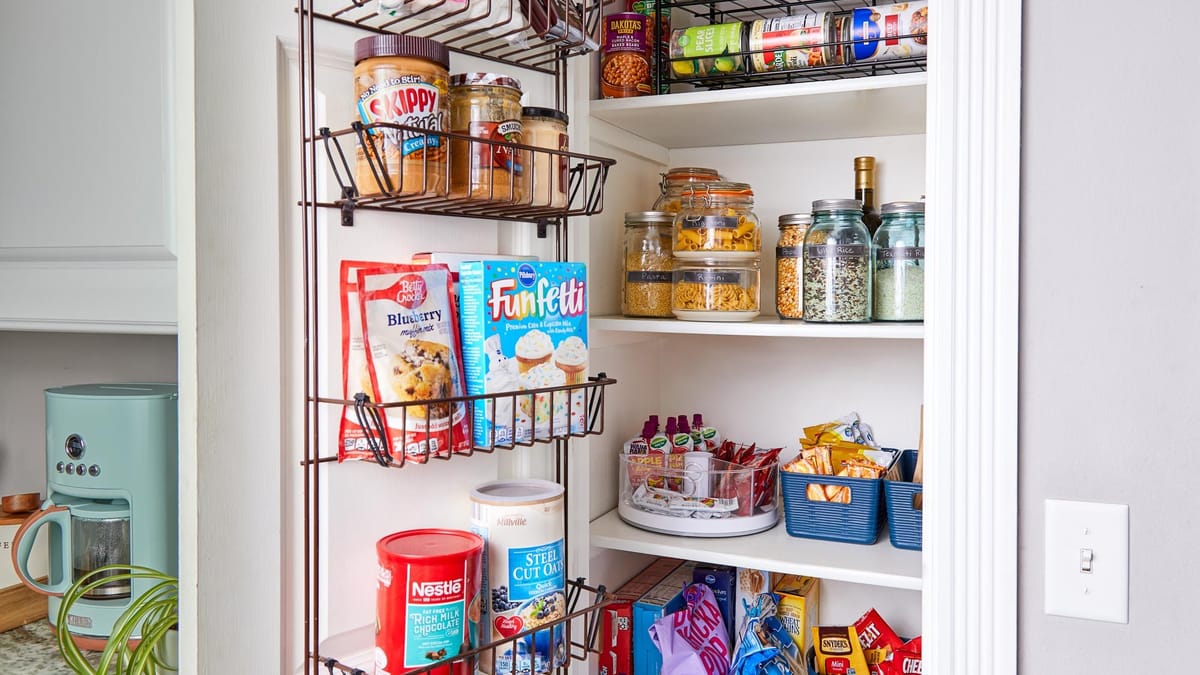
How to Organize Your Pantry for Maximum Efficiency
Introduction
A well-organized pantry is the backbone of a functional kitchen. Not only does it help you find ingredients quickly, but it also minimizes food waste and enhances your cooking efficiency. Whether you're a culinary novice or a seasoned home cook, having a tidy pantry can significantly streamline your meal preparation process. In this blog post, we’ll delve into practical tips and techniques to help you organize your pantry for maximum efficiency, making your cooking adventures even more enjoyable.
The Importance of a Well-Organized Pantry
Before diving into the how-to, let’s talk about why pantry organization matters:
- • Saves Time: A well-organized pantry allows you to locate ingredients with ease, reducing time spent searching for items.
- • Minimizes Waste: By keeping track of what you have, you’re less likely to buy duplicates or let food expire.
- • Encourages Cooking: An organized space can inspire you to experiment with new recipes and ingredients.
- • Creates a Sense of Calm: A clutter-free pantry contributes to a more serene kitchen environment.
Step 1: Empty and Clean Your Pantry
Clear It Out
Start your organization journey by emptying your pantry completely. This may seem like a daunting task but it’s essential for a fresh start.
- • Remove Everything: Take all items out of the pantry and place them on a clean surface.
- • Inspect Expiration Dates: As you empty the pantry, check every item for expiration dates and toss anything that is past its prime.
- • Clean the Shelves: Wipe down all surfaces with a gentle cleaner to remove dust, spills, and crumbs.
Purge Unwanted Items
While you’re cleaning, take the opportunity to declutter:
- • Assess Your Ingredients: Ask yourself if you realistically use each item. If not, consider donating non-perishable items that are still good.
- • Set Aside Unused Items: Put aside items that you haven’t used in a while. If they remain untouched after a month, they might not be worth keeping.
Step 2: Categorize Your Pantry Items
Create Categories
Once everything is cleaned and sorted, it’s time to categorize your pantry items. This will make it easier to find what you need in the future. Here are some common categories:
- • Grains and Pasta: Rice, quinoa, oats, spaghetti, etc.
- • Canned Goods: Vegetables, beans, soups, and sauces.
- • Baking Supplies: Flour, sugar, baking soda, and chocolate chips.
- • Snacks: Chips, nuts, dried fruits, and granola bars.
- • Spices and Seasonings: Herbs, spices, and condiments.
Use a Labeling System
Labels can be a game-changer in your pantry organization. Here are some tips:
- • Label Each Shelf: Clearly mark each shelf with its designated category.
- • Use Clear Containers: If you transfer items to clear glass or plastic containers, label those too.
- • Color Code: Consider using color-coded labels for quick visual identification.
Step 3: Choose the Right Storage Solutions
Use Containers Wisely
Investing in the right storage solutions can greatly enhance your pantry's organization. Here are some container types to consider:
| Container Type | Best For |
|---|---|
| Glass Jars | Grains, spices, snacks |
| Plastic Bins | Larger items like potatoes or onions |
| Airtight Containers | Flour, sugar, and cereals |
| Stackable Bins | Canned goods and snacks |
Optimize Shelf Space
Maximize your pantry’s vertical space with these tips:
- • Adjustable Shelves: If possible, use adjustable shelving to accommodate tall and short items alike.
- • Use Risers: Tiered risers can help you see and access items in the back of your pantry.
- • Over-the-Door Organizers: Use the inside of the pantry door for additional storage with hanging racks or pocket organizers.
Step 4: Arrange for Accessibility
Prioritize Frequently Used Items
Place items that you use regularly at eye level and within easy reach. Here’s a quick guide:
- • Top Shelves: Reserve for items you rarely use (e.g., seasonal baking supplies).
- • Middle Shelves: Store frequently used items here, such as flour, sugar, and pasta.
- • Bottom Shelves: Ideal for heavier items like canned goods and larger bags of flour or rice.
Create a Cooking Zone
If you have the space, consider creating a mini cooking zone within your pantry:
- • Keep Cooking Essentials Together: Group oils, vinegars, and spices together for easy access while cooking.
- • Add a Small Basket: Use a basket for items you use daily, such as snacks or lunch prep items.
Step 5: Maintain Your Organized Pantry
Regular Check-Ins
To keep your pantry organized over time, schedule regular check-ins:
- • Monthly Review: Every month, take a few minutes to assess what’s working and what’s not.
- • Clean Up: Wipe down shelves and check for expired items.
Implement a First-In, First-Out (FIFO) System
To reduce food waste, adopt a FIFO system:
- • Place New Items Behind Older Ones: When you add new groceries, always put them behind older items to ensure that you use up the older items first.
Bonus Tips for Maximizing Pantry Efficiency
Use Technology
- • Pantry Inventory Apps: Consider using apps to keep track of what you have in stock and what needs to be replenished.
- • Meal Planning: Combine your pantry inventory with meal planning to help reduce waste and ensure you’re using what you have.
Get Creative with Storage
- • Magnetic Spice Jars: If you’re short on shelf space, consider magnetic jars that can stick to the side of your refrigerator.
- • Clear Bins for Snacks: Use clear bins to group similar snacks, making it easy for kids or family members to grab what they want.
Conclusion
An organized pantry is not just about aesthetics; it significantly impacts your cooking efficiency and overall kitchen experience. By following the steps outlined in this blog post—cleaning, categorizing, choosing the right storage solutions, arranging for accessibility, and maintaining your system—you can create a pantry that works for you. Remember, the goal is to make your cooking adventures smoother and more enjoyable. So roll up your sleeves and get started on your pantry organization project today! Happy cooking!