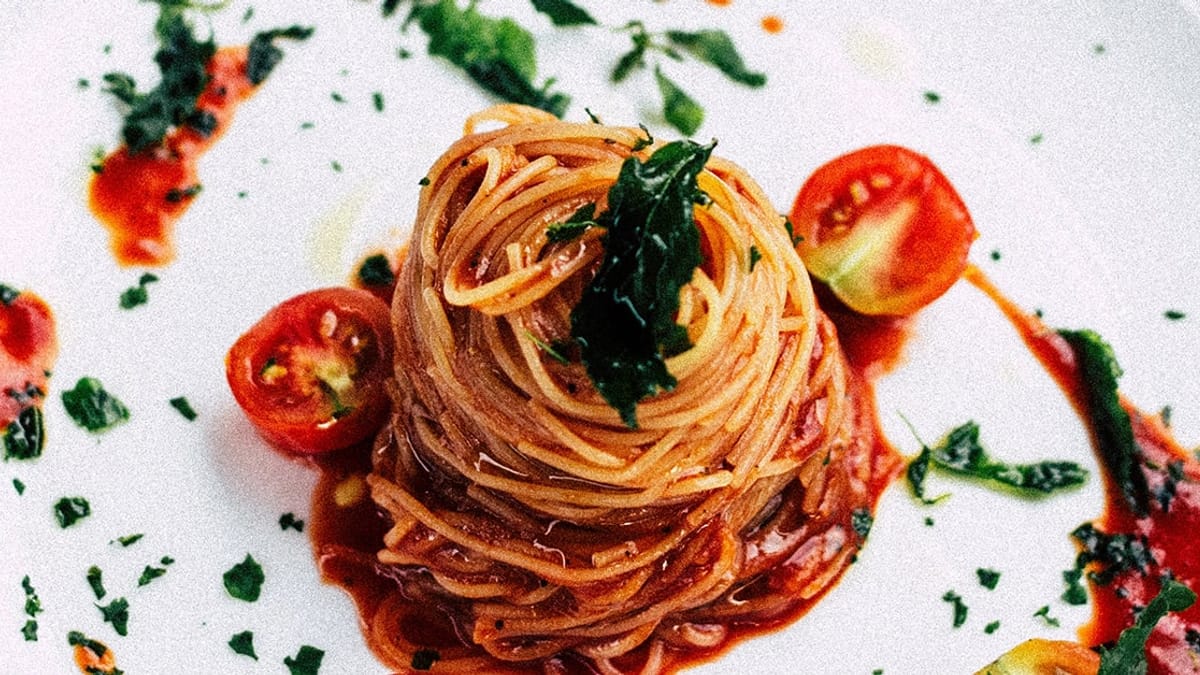
How to Master the Art of Garnishing
Garnishing is often the unsung hero of cooking, transforming a simple dish into a culinary masterpiece. When we think of garnishing, we might imagine a sprig of parsley or a lemon wedge, but the world of garnishing is so much richer and more creative than that. In this post, we're going to delve into the art of garnishing, exploring techniques, tips, and tricks to elevate our dishes from ordinary to extraordinary.
Understanding the Purpose of Garnishing
Before we dive into techniques, let’s take a moment to understand why garnishing is so important. At its core, garnishing enhances the visual appeal of our food. A beautifully garnished plate not only looks appetizing but also invites our guests to enjoy the meal even more. Beyond aesthetics, garnishing can also add flavor, texture, and even nutrition to our dishes. For instance, a sprinkle of fresh herbs can brighten up a heavy pasta dish, while nuts or seeds can introduce a delightful crunch.
Choosing the Right Garnish
The first step in mastering the art of garnishing is understanding which garnishes pair well with specific dishes. As we explore this, we’ll consider three primary categories of garnishes: herbs, fruits and vegetables, and sauces.
When it comes to herbs, their vibrant colors and fresh flavors can complement a wide range of dishes. For example, basil and parsley work wonderfully with Italian cuisine, while cilantro can elevate Mexican or Asian dishes. We want to choose herbs that enhance the dish's flavors without overwhelming them.
Fruits and vegetables offer another dimension to garnishing. Think about using citrus slices, edible flowers, or even thinly sliced radishes. These can add a pop of color and a refreshing taste. For instance, a colorful carrot ribbon can brighten up a plate of roasted vegetables.
Sauces and purees can also be used creatively. A drizzle of balsamic reduction or a vibrant beet puree can serve as a beautiful base for a dish, drawing the eye and tantalizing the taste buds. When considering sauces as garnishes, we should aim for something that not only looks good but also complements the flavors of the main dish.
Techniques for Effective Garnishing
Now that we have an understanding of what garnishes to choose, let’s explore some techniques that will help us present our garnishes beautifully.
One of the most fundamental techniques is cutting. The way we cut our garnishes can significantly affect their presentation. We can create different textures and shapes to add interest. For example, a simple julienne cut on vegetables can provide a delicate look, while a rough chop can convey a more rustic feel. Remember that uniformity in size can enhance the overall aesthetic, so we should practice our knife skills to achieve this.
Another technique is arrangement. Placement is crucial in garnishing. We want to create a focal point on the plate, guiding the viewer’s eye. For instance, placing a small mound of microgreens in the center of a dish can draw attention and create a sense of balance. We should also consider the color contrast; a bright garnish can pop against a dark plate or a muted dish.
Layering is a powerful technique that can add depth to our garnishing. By layering different components, we create visual interest. For instance, we might layer a sauce, a protein, and a garnish to create a three-dimensional effect that makes our dish look more dynamic.
Additionally, we could experiment with height. Adding elements at varying heights on the plate can make it more visually stimulating. A stack of grilled vegetables topped with a sprig of rosemary or a height of whipped cream on a dessert can create an impressive look that feels gourmet.
Practical Tips for Everyday Cooking
As we embrace the art of garnishing, it's essential to keep practicality in mind. We want our garnishes to be easy to execute, so here are some tips to make the process smoother.
First, we should always keep our garnishing tools handy. A good pair of kitchen scissors, a microplane for zesting, and a sharp knife can make a world of difference. Having these tools within reach will encourage us to be more adventurous with our garnishes.
Next, let’s think about seasonality. Using seasonal produce not only ensures freshness but also enhances the flavors of our garnishes. For example, in the summer, we can enjoy vibrant tomatoes and fresh basil, while in the winter, we might opt for hearty root vegetables and warming spices. Embracing seasonal ingredients will not only improve our garnishing but also connect us to the rhythm of the year.
We should also practice prepping garnishes ahead of time when possible. If we’re hosting a gathering, we can prepare our garnishes in advance and store them in airtight containers. This will save us time and reduce stress when it's time to plate our dishes.
Incorporating Garnishing into Our Cooking Routine
To become skilled at garnishing, we need to incorporate it into our cooking routine consistently. One fun way to practice is to challenge ourselves with a “garnish of the week.” Each week, we can select a new garnish or technique to experiment with, whether it's creating edible flowers or mastering the art of plating with sauces.
Another engaging approach is to involve our family or friends in the process. Cooking together can inspire creativity and lead to new ideas for garnishing. We might host a garnishing party where everyone brings a dish and shares their favorite garnishing techniques. This not only fosters connection but also expands our culinary horizons.
Learning from the Experts
As we strive to master garnishing, we can also learn from the professionals. Watching cooking shows or following culinary influencers on social media can provide us with inspiration and techniques. We should pay special attention to how chefs plate their dishes and how they use garnishes creatively. This exposure can spark new ideas for our own cooking.
Visiting local restaurants and observing the garnishing styles can also be insightful. We can take note of what garnishes appeal to us and consider how we might adapt those ideas in our own kitchen.
Putting It All Together
As we step into our kitchens, let’s remember that garnishing is not just about decoration; it’s about enhancing the overall dining experience. With a little practice and creativity, we can elevate our dishes and impress our family and friends.
Let’s embrace the playful side of garnishing and allow ourselves to experiment. Whether we’re trying a new herb, playing with colors, or even attempting a complex presentation, each effort helps us grow as cooks.
So, the next time we plate a dish, let’s take a moment to add that finishing touch. A sprinkle of fresh herbs, a drizzle of sauce, or a thoughtfully placed edible flower can transform our meal into a feast for the eyes. By mastering the art of garnishing, we invite joy not only into our kitchens but also into the hearts of those who gather around our tables. Happy garnishing!