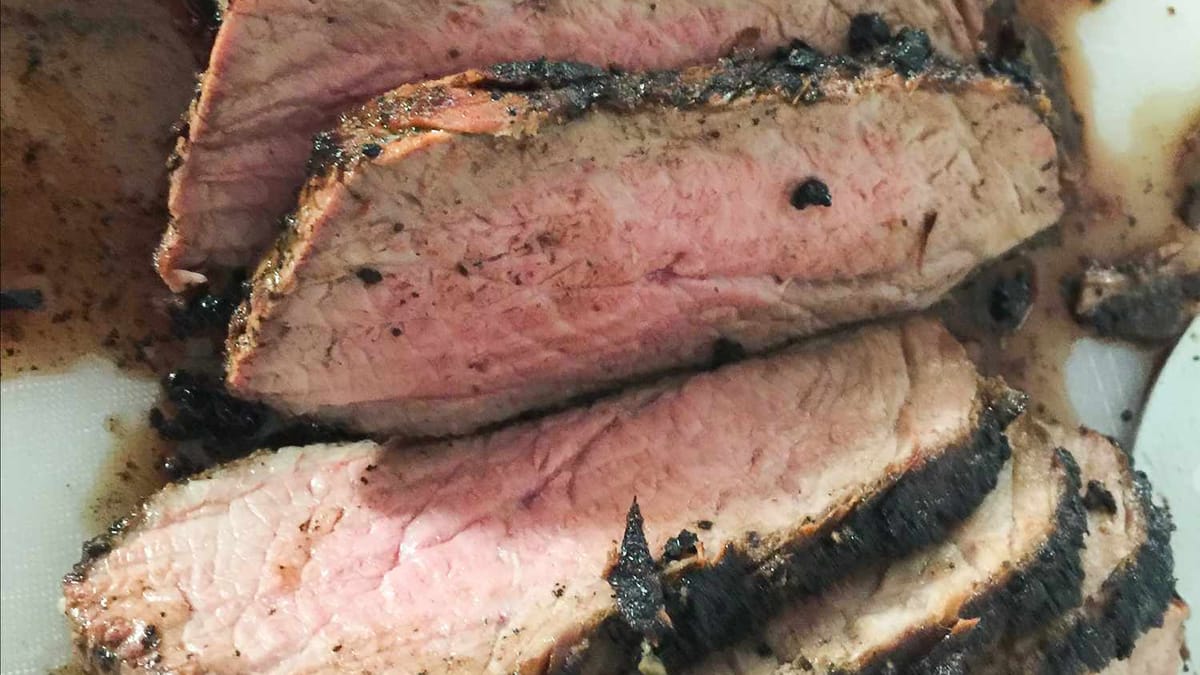
How to Master Slow Roasting
When we think of roasting, we often envision a quick blast of high heat that seals in flavors and creates a beautifully browned exterior. However, slow roasting is a magical technique that invites us to take our time, allowing flavors to deepen and textures to transform. It’s an approach that not only enhances the taste of our food but also fills our kitchens with tantalizing aromas that make it feel like a cozy sanctuary.
In this guide, we’re diving into the art of slow roasting. We’ll explore what it is, why we should embrace it, and practical tips to help us master this technique in our own kitchens. Whether we’re roasting meats, vegetables, or even fruits, slow roasting can elevate our dishes from ordinary to extraordinary.
What is Slow Roasting?
At its core, slow roasting means cooking food at a lower temperature for a longer period. This gentle method allows for even cooking, which helps to break down tough fibers in meats and caramelize natural sugars in vegetables. The result? Tender, flavorful dishes that require minimal fuss.
Slow roasting typically involves cooking at temperatures ranging from 200°F to 325°F. This may seem low compared to the high heat of traditional roasting, but that’s precisely what makes it so effective. We’re coaxing flavor from our ingredients rather than forcing it out with intense heat.
The Benefits of Slow Roasting
Why should we embrace slow roasting? There are numerous benefits that make this technique worth our time:
- • Enhanced Flavor: Slow roasting allows flavors to develop gradually, resulting in richer, more complex tastes.
- • Tender Textures: Cooking at lower temperatures means that proteins have time to break down, leading to incredibly tender meats and vegetables.
- • Consistent Results: The gradual cooking process reduces the risk of overcooking, giving us more control over the final dish.
- • Easy Preparation: Once we’ve prepped our ingredients and set them in the oven, we can focus on other tasks while they cook.
Choosing the Right Ingredients
When it comes to slow roasting, the ingredients we select play a crucial role in the final outcome. We want to start with high-quality, fresh items that are suited for this method.
For meats, tougher cuts like pork shoulder, beef chuck roast, or leg of lamb are excellent choices. These cuts benefit from low and slow cooking, becoming tender and infused with flavor. On the vegetable side, root vegetables like carrots, potatoes, and beets love the slow roasting process, as do hearty greens like Brussels sprouts.
Preparing for Success
Preparation is key to mastering slow roasting. Here are some steps we can take to set ourselves up for success:
- • Season Generously: Since slow roasting brings out the natural flavors of our ingredients, we want to make sure we season well. Use salt, pepper, herbs, and spices to create a flavor base that complements our main ingredients.
- • Create a Flavorful Base: Consider using aromatics like garlic, onions, and fresh herbs. We can place these in the roasting pan to infuse their flavors into the dish as it cooks.
- • Use a Roasting Rack: Elevating our meat or vegetables on a rack allows hot air to circulate around them, promoting even cooking. If we don’t have a rack, we can improvise with a bed of vegetables or crumpled aluminum foil.
The Perfect Temperature
Temperature control is crucial in slow roasting. We want to find that sweet spot where our dish cooks slowly enough to develop flavors but not so slowly that it becomes dry or tough. Generally, we aim for temperatures around 250°F to 300°F for meats and slightly higher for vegetables.
To ensure we’re hitting the right temperatures, using a reliable oven thermometer can be a game-changer. Ovens can often mislead us, and an accurate reading will help us achieve the best results.
Timing is Everything
One of the most beautiful aspects of slow roasting is that it gives us flexibility. While cooking times will vary based on the size and type of our ingredients, a general rule of thumb is to plan for at least two to three hours for meats and around one to two hours for vegetables.
A great way to keep track is to use an instant-read thermometer for meats. We want to aim for doneness temperatures that allow for a bit of carryover cooking. For example, pulling a roast at around 5°F below the target temperature ensures that it continues to cook while resting.
The Art of Basting
Basting is a technique that can enhance the flavor and moisture of slow-roasted dishes. By spooning pan juices or a marinade over our roast during cooking, we can add layers of flavor and help keep the exterior moist. However, we want to be mindful of how often we open the oven door, as this can disrupt the cooking process. A quick baste every 30 to 45 minutes is usually sufficient.
Resting is Key
Once our dish has reached its desired doneness, we need to let it rest before slicing or serving. Resting allows juices to redistribute throughout the meat, ensuring a juicy final product. Depending on the size of our roast, resting times can vary from 15 minutes to an hour. During this time, we can prepare sides or set the table, making it a perfect moment to gather our loved ones.
Pairing with Sides
Slow-roasted dishes often shine alongside simple sides that complement their rich flavors. Consider pairing roasted meats with creamy mashed potatoes, garlicky green beans, or a fresh salad. For roasted vegetables, a tangy yogurt sauce or a sprinkle of feta can elevate the dish even further.
Experimenting with Flavors
One of the joys of slow roasting is the ability to experiment with flavors. We can play with different herbs, spices, and marinades to create unique combinations that excite our taste buds. Don’t be afraid to try new things—whether it’s a citrus marinade for chicken or a spice rub for pork, there are endless possibilities to explore.
Slow Roasting Beyond Meats
While we often associate slow roasting with meats, let’s not forget about the wonderful world of slow-roasted vegetables and fruits. Roasted vegetables can serve as a robust side dish or a flavorful base for salads. Simply toss them with olive oil, salt, and herbs, then let them roast until caramelized and tender.
Fruits can also benefit from slow roasting. Think of roasted peaches or apples drizzled with honey and served with ice cream for dessert. The slow heat transforms their natural sugars, creating a luscious sweetness that’s hard to resist.
The Joy of Leftovers
One of the best parts of slow roasting is the leftovers. We can repurpose them into exciting new meals. Leftover meats can become sandwiches, salads, or even tacos. Roasted vegetables can be blended into soups or used as a filling for omelets. The possibilities are endless, ensuring that our time spent cooking pays off well beyond the initial meal.
Final Thoughts
Mastering slow roasting is an exciting culinary journey that rewards our patience with rich flavors and tender textures. By understanding the process, choosing the right ingredients, and applying some simple techniques, we can elevate our cooking game and impress family and friends alike.
So let’s embrace this method and fill our kitchens with the irresistible scents of slow-roasted goodness. Whether it’s a Sunday family dinner or a cozy weeknight meal, slow roasting invites us to savor the moment and enjoy the fruits of our labor. Happy roasting!