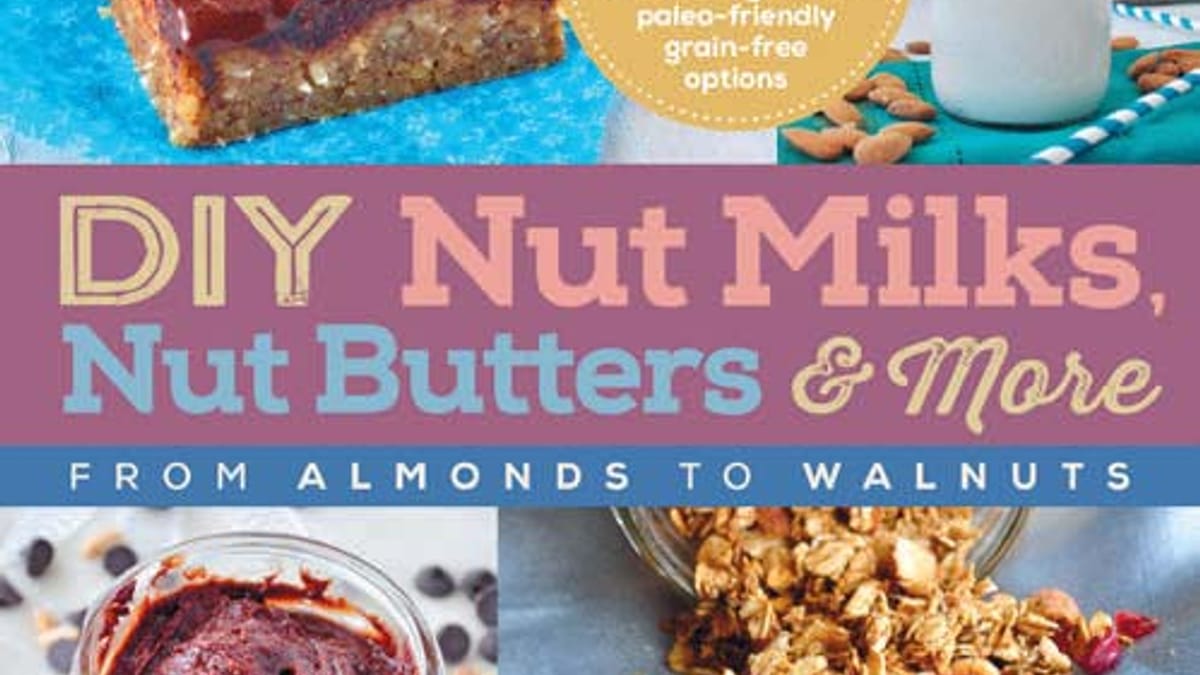
How to Make Your Own Nut Milks and Butters
Have you ever wandered through the dairy aisle, staring at the rows of nut milks and butters, wondering if you could recreate those delicious treats at home? We’ve all been there, feeling tempted yet slightly intimidated by the idea of making our own versions. But the truth is, crafting nut milks and butters is not only a delightful kitchen adventure, but it also allows us to control the ingredients, flavors, and textures. Plus, there’s something incredibly satisfying about whipping up something from scratch that we often buy pre-made.
Let’s dive into the world of nut milks and butters together. We’ll explore the essential steps, share some handy techniques, and provide you with tips that will help you become a pro in no time.
Understanding Nut Milks and Butters
Before we roll up our sleeves, let’s take a moment to understand what we’re getting into. Nut milk is essentially a plant-based milk made by blending nuts with water and straining the mixture. It’s a wonderful alternative to dairy, offering a variety of flavors and nutritional benefits. Nut butter, on the other hand, is made by grinding nuts into a creamy paste. Whether you prefer almond, cashew, or peanut, making nut butters at home is just as rewarding as making nut milks.
Choosing Our Nuts
The first step in our journey is selecting the right nuts. Almonds and cashews are popular choices when it comes to nut milks due to their creamy texture and mild flavors. Pecans, hazelnuts, and macadamias also create rich, flavorful milks that can add a unique twist to our recipes. When it comes to nut butters, almonds, peanuts, and cashews are classic favorites.
We recommend opting for raw nuts if you want a neutral flavor and maximum nutritional benefits, but roasted nuts can also be used to impart a deeper, nuttier taste. Just remember, if we choose roasted nuts, we may want to skip the roasting step in our nut milk recipe since they are already cooked.
Making Nut Milk at Home
Creating our own nut milk is quite simple and requires minimal equipment. Here’s how we can do it.
Ingredients
To get started, we’ll need raw nuts, filtered water, and, if desired, a natural sweetener or flavoring agent like vanilla extract or dates. The ratio typically falls between one cup of nuts to four cups of water, but feel free to adjust based on how creamy we prefer our milk.
The Process
To begin, we should soak our nuts. Soaking helps soften them, making them easier to blend and improving the overall texture of the milk. For almonds, a soak of about eight hours or overnight is ideal, while cashews only need about two hours. Once soaked, we’ll drain and rinse the nuts, getting rid of any phytic acid that can inhibit nutrient absorption.
Next, it’s blending time! We’ll add the soaked nuts to a high-speed blender with the filtered water. If we’re adding sweeteners or flavorings, now is the time to toss them in. Blend on high until the mixture is smooth and creamy—this usually takes about one to two minutes.
Now comes the fun part: straining! We can use a nut milk bag, cheesecloth, or even a clean dish towel for this step. Place our chosen straining device over a bowl or pitcher and pour the blended mixture in. We’ll gently squeeze or press to separate the liquid from the nut pulp.
The liquid we’re left with is our delightful nut milk, while the leftover pulp can be saved for other uses, such as adding to smoothies, baking, or even making energy bites.
Storing Our Nut Milk
Once we’ve made our nut milk, it’s best to store it in an airtight container in the fridge. Fresh nut milk typically lasts for about three to five days, so we’ll want to enjoy it while it’s fresh. Give it a good shake before pouring, as separation is natural.
Making Nut Butters at Home
Now that we’ve mastered nut milks, let’s turn our attention to nut butters. The process is just as straightforward, yet yields a deliciously creamy result that elevates everything from toast to smoothies.
Ingredients
For nut butter, we’ll only need nuts and perhaps a pinch of salt to enhance the flavor. If we’re feeling adventurous, we can also add a drizzle of honey or maple syrup for sweetness.
The Process
Let’s start by roasting our nuts if we’re using raw ones. Preheat the oven to 350°F (175°C) and spread the nuts on a baking sheet. We’ll roast them for about 10 to 12 minutes, keeping a close eye to prevent burning. Once they’re golden and fragrant, we can let them cool slightly.
Next, we’ll transfer the roasted nuts into a food processor. We’ll blend on high speed, scraping down the sides as needed. It may take a few minutes, but we’ll start to hear the nuts transform from whole pieces into a crumbly mixture, then into a ball, and finally into a smooth, creamy nut butter.
If we want a little extra flavor, now’s the time to mix in our salt or sweetener. Once we reach our desired consistency, we can transfer the nut butter to a jar and store it in the fridge. Homemade nut butter can last for a couple of weeks, though it’s unlikely to stick around that long!
Tips and Techniques for Success
As we embark on our nut milk and butter adventure, here are some additional tips that can enhance our experience and results:
- • Experiment with flavors: We can add spices like cinnamon, cocoa powder, or even a dash of sea salt to elevate the flavors of our nut milks and butters. Don’t be shy about experimenting with different combinations.
- • Try blending nuts: Mixing different nuts can yield unique flavors and textures. For instance, a blend of cashews and almonds creates a wonderfully creamy milk, while a mix of peanuts and almonds can make for a rich butter.
- • Use the leftover pulp: As we mentioned earlier, the leftover nut pulp is a treasure trove of nutrients. Use it in smoothies, oatmeal, or baking to reduce waste and boost our recipes.
- • Adjust the consistency: If we prefer a thinner milk, we can add more water during the blending process. For a thicker nut butter, we can simply blend longer or add a bit of oil to help achieve the right texture.
- • Be patient: Especially with nut butter, the blending process can take time. Don’t rush it; the transformation is worth the wait.
Recipes to Inspire Us
To spark our creativity, let’s explore a couple of simple yet scrumptious recipes that utilize our homemade nut milks and butters.
Almond Milk Chia Pudding
For a quick and nutritious breakfast or snack, we can whip up almond milk chia pudding. Combine chia seeds with almond milk, a dash of vanilla, and a touch of maple syrup. Let it sit in the fridge for a few hours or overnight. In the morning, stir it up and top it with our favorite fruits and nuts.
Cashew Butter Energy Balls
For a tasty and healthy treat, mix cashew butter with oats, honey, and a sprinkle of chocolate chips. Roll the mixture into bite-sized balls and refrigerate for a quick snack that satisfies our sweet cravings.
Embracing the Joy of Homemade
Making our own nut milks and butters isn’t just a culinary task; it’s a delightful journey into the world of flavor and creativity. As we step into the kitchen, we’re not just preparing food; we’re crafting something personal and nourishing. With a few simple ingredients and some patience, we can create delicious, wholesome options that cater to our tastes and dietary needs.
So, let’s grab our nuts, blend, strain, and enjoy the satisfaction of homemade goodness. Our taste buds will thank us, and our kitchen will be filled with the delightful aroma of freshly made nut milks and butters. Here’s to embracing our culinary skills and making magic happen in our kitchens!