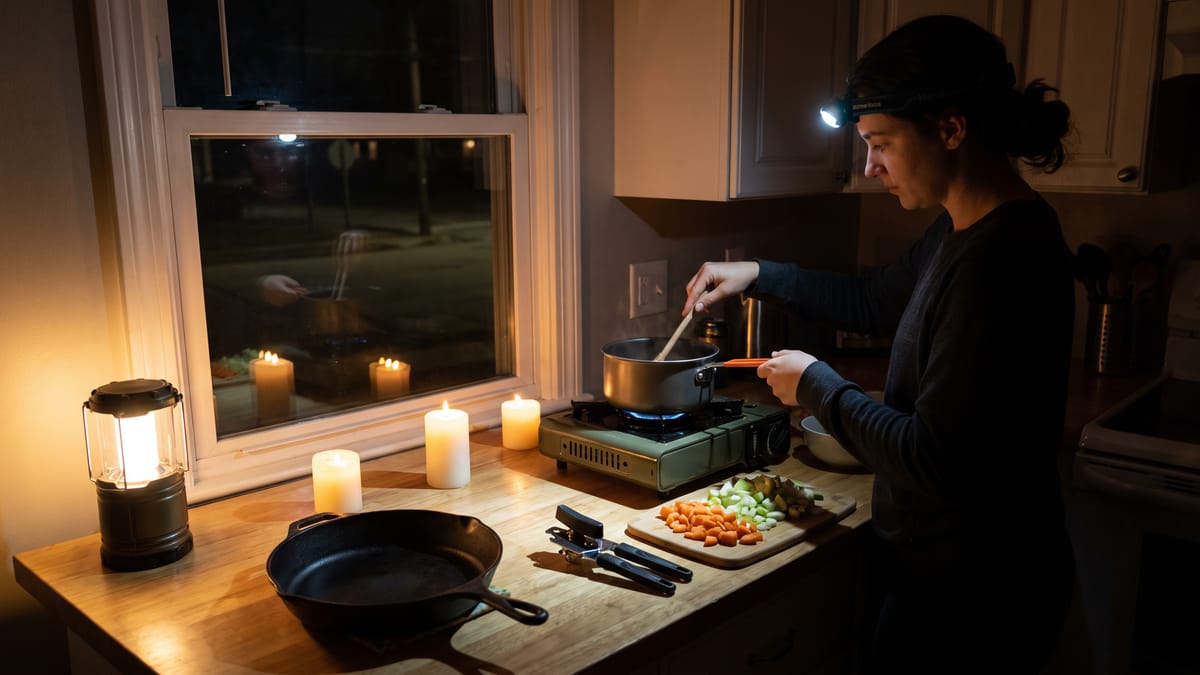
How to Keep Cooking When the Power Goes Out: A Practical Guide
The rhythmic hum of our refrigerators and the instant flame of our gas ranges are such constants in our modern lives, it's easy to forget how reliant we are on electricity for the most basic of kitchen tasks. But when the power flickers and then dies, plunging our homes into an unexpected quiet, panic can quickly set in, especially when it comes to food. How do we keep our meals safe, let alone cook them, when the grid goes down? Fear not, fellow culinary adventurers. With a bit of foresight and some practical know-how, a power outage doesn't have to mean a feast of cold cereal. We're here to equip you with the knowledge to keep your kitchen functioning, your bellies full, and your food safe, no matter how long the lights stay out.
The Clock Starts Ticking: Food Safety First
Our first priority when the power goes out must always be food safety. The refrigerator, that silent workhorse, can only maintain its cool for so long. A closed refrigerator will keep food safe for up to 4 hours without power. After this time, perishable foods, including meats, poultry, fish, eggs, and leftovers, must be discarded if their temperature has risen above 40°F (4°C) for two hours or more. It is crucial to remember this guideline to prevent foodborne illness.
Freezers offer a bit more leeway. A full freezer can hold its temperature for approximately 48 hours, while a half-full freezer will keep food safe for about 24 hours. The key here is to keep the doors closed as much as possible to trap the cold air. If you anticipate a prolonged outage, a smart strategy is to consolidate items and fill empty spaces with frozen water jugs, ice packs, or bags of ice to help maintain cold temperatures. To extend the cold storage of your refrigerated perishables, consider moving them into an ice-filled cooler before the 4-hour mark, making sure to verify with a thermometer that the temperature inside the cooler remains at or below 40°F. This proactive step can significantly prolong the usability of your fresh ingredients.
Harnessing Alternative Heat Sources for Cooking
Once food safety is under control, the next challenge is how to actually cook. While our electric ovens and microwaves become expensive paperweights, several safe and effective alternatives allow us to prepare warm meals.
Outdoor Cooking Essentials
For most cooking during a power outage, especially anything requiring significant heat or an open flame, we must look to the great outdoors. Charcoal grills, propane grills, and portable camp stoves are indispensable tools for emergency cooking, but they must never, under any circumstances, be used indoors, in garages, or in any enclosed space. The risk of lethal carbon monoxide buildup is simply too high. Always ensure ample ventilation when operating these appliances.
Propane grills are particularly convenient because they ignite easily and offer precise temperature control, much like a gas range. Charcoal grills, while requiring a bit more time to get going, impart a wonderful smoky flavor to food. Portable camp stoves, often fueled by small propane or butane canisters, are fantastic for boiling water, simmering stews, or frying up a quick meal. They are compact, efficient, and a must-have for any emergency kit.
Limited Indoor Options
While outdoor cooking is the safest bet, a few limited options exist for indoor heating. If you have a gas stovetop with manual (match) ignition, you may still be able to use it. Electric ignition models, however, will not work. Always exercise extreme caution when lighting a gas burner with a match, ensuring the match is lit before turning on the gas.
For smaller heating needs, such as keeping food warm or gently simmering, chafing gel fuel (often sold as Sterno) can be a lifesaver. These small cans of gel burn with a consistent, low flame and are safe for indoor use. Similarly, candle warmers can provide enough gentle heat to warm a cup of soup or a small dish, though they are not suitable for cooking from scratch. If you are fortunate enough to have a properly vented wood stove or fireplace, these can also be utilized for cooking, often with specialized grates or Dutch ovens.
An often-overlooked but highly practical option is the flameless ration heater, commonly found with MREs (Meals, Ready-to-Eat). These ingenious devices use a water-activated exothermic reaction to heat a meal in approximately 15 minutes without any open flame, making them perfectly safe for indoor use. They are excellent for individual portions and require minimal setup.
No-Cook and Make-Ahead Strategies
Sometimes, the best cooking strategy is no cooking at all. Having a pantry stocked with ready-to-eat items is crucial. Commercially canned foods, for instance, can be eaten cold directly from the can. If you choose to heat them in the can, always remember to remove the label, wash and disinfect the can (using a solution of 1 part bleach to 10 parts water), and open the can before heating to prevent pressure buildup.
Beyond canned goods, think about items like peanut butter, crackers, dried fruits, nuts, granola bars, and shelf-stable milk. These provide essential calories and nutrients without any need for heat.
For those who want to be even more prepared, consider make-ahead meals that require no refrigeration or reheating. Dehydrated meals, often used by campers, are fantastic. You can also prepare components of meals, such as pre-cooked grains or roasted vegetables, and store them in airtight containers. If you know a storm is coming, baking a batch of muffins or a hearty loaf of bread can provide comforting, ready-to-eat sustenance.
Another clever technique is retained-heat (thermal) cooking. This method involves bringing food to a boil on an available heat source (like your camp stove), then transferring it to an insulated container, such as a thermal cooker or even a well-wrapped pot inside a sleeping bag, to finish cooking without additional fuel. This is incredibly efficient and conserves precious fuel.
Essential Internal Temperatures
When we do cook, ensuring food reaches safe internal temperatures is paramount to prevent illness. Always have a reliable food thermometer on hand.
- • Poultry, including chicken and turkey, must reach 165°F (74°C).
- • Ground meats, such as beef, pork, and lamb, should be cooked to 160°F (71°C).
- • Whole cuts of beef, pork, and lamb are safe at 145°F (63°C), followed by a three-minute rest time.
- • Fish should also reach an internal temperature of 145°F (63°C).
Emergency Kitchen Preparedness Checklist
Being prepared is about more than just having food; it's about having the right tools. Here's a checklist to get your emergency kitchen ready:
- • Heat Sources:
- • Cooking Utensils & Cookware:
- • Food Safety & Storage:
- • Water:
- • Lighting:
- • Miscellaneous:
Putting It All Together
Navigating a power outage can be daunting, but with a well-stocked pantry, reliable alternative cooking methods, and a firm grasp of food safety principles, you can transform a challenging situation into an opportunity for resourceful cooking. Remember, the key is preparation, understanding the limitations of your equipment, and always prioritizing safety, especially concerning carbon monoxide. By incorporating these strategies and tools into your emergency plan, you'll be well-equipped to keep delicious and safe meals on the table, no matter what the grid throws your way. Stay prepared, stay safe, and enjoy the unexpected adventure of off-grid cooking!