How to Get Kids Involved in Weekly Meal Planning
Getting kids involved in weekly meal planning isn’t just a clever way to tackle the age-old question of “What’s for dinner?” It’s a fantastic opportunity to bond, teach valuable life skills, and cultivate a love for cooking that can last a lifetime. As parents, guardians, or caregivers, we know the struggle of juggling busy schedules, picky eaters, and the endless quest for healthy meals that everyone can enjoy. By inviting our children into the kitchen and allowing them to participate in the planning process, we can transform mealtime from a chore into a fun family activity.
The Benefits of Involving Kids in Meal Planning
When we include our kids in meal planning, we’re doing more than just lightening our load. We’re teaching them essential skills that will serve them well throughout their lives. Children learn about nutrition, the importance of balanced meals, and even basic budgeting when they help decide what to eat and what to shop for. Plus, it creates a sense of ownership over their food choices, which can lead to healthier eating habits.
Engaging kids in meal planning also fosters creativity. They can explore different cuisines, try new ingredients, and express their preferences in a way that feels fun rather than forced. And let’s not forget the joy of family bonding—sharing ideas, debating flavors, and ultimately enjoying the fruits of our collective labor can lead to cherished memories.
Setting the Stage for Meal Planning
Before we dive into the nitty-gritty of meal planning, let’s create an inviting environment that encourages our kids to engage. This starts with some simple ground rules that can make the process smoother and more enjoyable for everyone involved.
First, let’s establish a designated time for meal planning each week. Perhaps we gather around the kitchen table on Sunday mornings with a cup of cocoa or some snacks. This creates a relaxed atmosphere where everyone feels comfortable sharing their ideas. It’s essential to ensure that the kids feel their opinions matter, so as we brainstorm, we should encourage them to speak up about what they want to eat.
Next, let’s make meal planning visual and interactive. A large calendar on the fridge can be a great tool for mapping out meals for the week. We can use colorful markers or stickers to represent different types of meals, like “Taco Tuesday” or “Pasta Night.” This visual element can be particularly helpful for younger children who may not yet read well but can recognize colors and pictures.
Brainstorming Meal Ideas Together
Once we’ve set the stage, it’s time to brainstorm meal ideas. We can start by discussing our family favorites and then expand from there. It might be fun to ask the kids about their favorite meals they’ve had at restaurants or friends’ houses. This not only gives us ideas but also allows them to think critically about what they enjoy eating.
To spice things up, we can introduce themed nights. For example, “Meatless Monday” encourages us to explore vegetarian options, while “International Friday” might inspire us to cook a dish from a different culture. By setting themes, we make it easier to generate ideas while also introducing variety into our weekly menus.
It’s also important to teach kids about balance. We can explain the different food groups and why it’s essential to include a variety of foods on our plates—colorful veggies, lean proteins, whole grains, and healthy fats. This conversation can happen as we write down potential meals, and it allows us to sneak in a little nutrition education without it feeling like a lecture.
Creating a Balanced Meal Plan
As we start to organize our meal ideas, let’s think about how to create a balanced meal plan. Here, we can introduce the concept of meal prep. It’s helpful for children to understand that preparing meals doesn’t just mean cooking everything from scratch every day. Instead, we can plan to batch cook certain items. For instance, we might prepare a big pot of soup on Sunday that will serve as lunch for a few days.
We can also encourage kids to think about breakfast, lunch, and snacks alongside dinner. It’s a great opportunity to involve them in selecting wholesome snacks that they can prepare themselves. This helps them feel empowered and responsible for their food choices.
Involving Kids in Grocery Shopping
After we’ve finalized our meal plan, the next step is grocery shopping. This can be an exciting adventure for kids, especially when they get a chance to pick out ingredients themselves. Before heading out, we can create a shopping list based on our meal plan. This teaches kids about organization and can help them learn to prioritize—after all, we can’t just buy everything on our wishlist.
When we arrive at the grocery store, we can turn the trip into a game. For example, we might set a timer and see how quickly we can find all the items on our list. We could also challenge them to spot new fruits or vegetables they’ve never seen before. This not only keeps the shopping trip lively but also encourages curiosity about different foods.
As we shop, we can explain the importance of quality and budget. We can talk about choosing fresh produce, reading labels, and even comparing prices. These lessons will serve them well as they grow older and begin to make their own grocery choices.
Cooking Together: The Best Part!
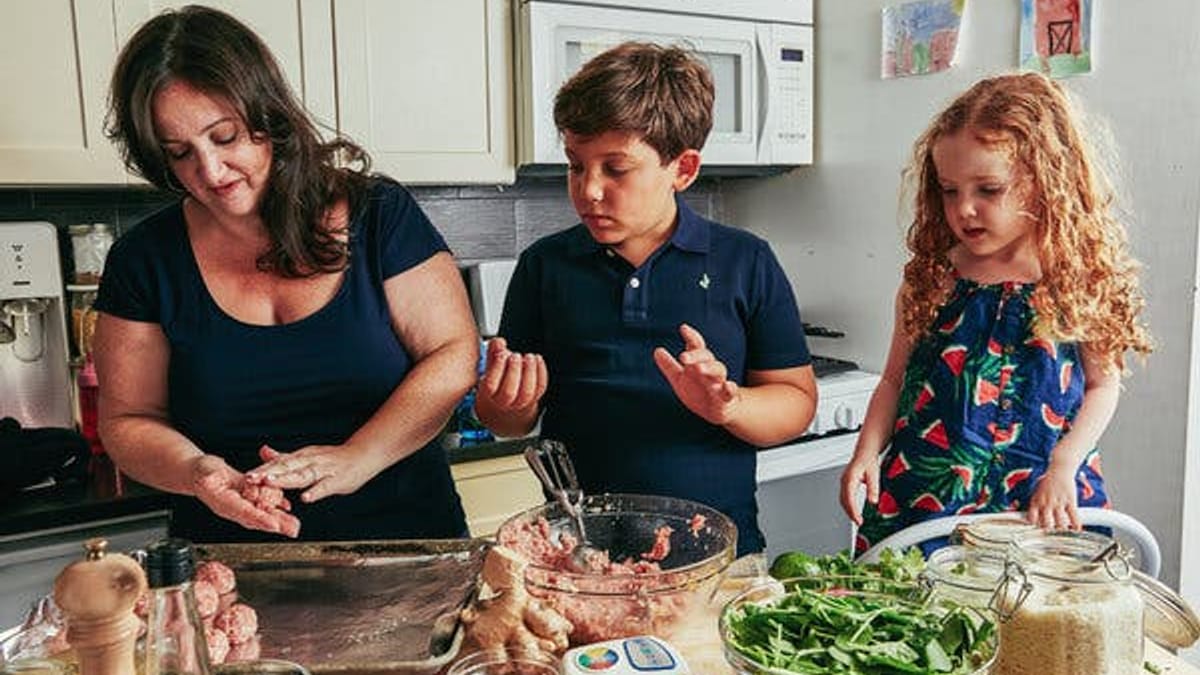
Now comes the most fun part: cooking together! This is where all the planning pays off, and we can create delicious meals as a family. We can assign age-appropriate tasks to our children, ensuring they feel included and valued in the kitchen. Younger kids might wash vegetables or mix ingredients, while older children can chop, sauté, or even follow a recipe independently.
As we cook, let’s take the time to discuss the steps we’re taking. We can explain why certain techniques are used, such as how to sauté onions to bring out their sweetness or the importance of seasoning as we go. This not only adds to their culinary knowledge but also makes them more confident in their cooking abilities.
Cooking together also opens the door for creativity. If the recipe calls for a specific vegetable or spice that they don’t particularly like, we can encourage them to suggest alternatives. This fosters problem-solving skills and teaches them to adapt recipes to their tastes.
Celebrating Our Culinary Creations
Once the meal is prepared, it’s time to sit down and enjoy the fruits of our labor. We should make it a point to celebrate our cooking achievements. Setting the table nicely, maybe even lighting a candle, can elevate the dining experience. As we eat, we can reflect on the process—what worked, what didn’t, and what we might want to try next time.
Encouraging our children to express their thoughts about the meal can also help them develop their palates. Did they love the new spice we tried? Would they like to tweak the recipe next time? These conversations can help them articulate their preferences and become more adventurous eaters.
Building a Routine
As we embrace this meal-planning journey, let’s remember that consistency is key. Building a routine around our weekly meal planning can help it become a natural part of our family life. Over time, we’ll find that our children become more engaged and excited about the process.
We can also take turns leading the meal planning each week. This encourages everyone to take ownership and gives each family member a chance to shine when it comes to their culinary choices. Plus, it keeps the experience fresh and dynamic.
Embracing Mistakes and Learning Together
Not every meal we make will turn out perfectly, and that’s okay! Mistakes in the kitchen can lead to valuable lessons and even some great stories. If a recipe flops or we accidentally use salt instead of sugar, we can turn these mishaps into teaching moments. It’s a great chance to discuss what went wrong and how we can fix it next time.
By embracing mistakes, we show our children that cooking is a learning process. We cultivate resilience and creativity, encouraging them to keep experimenting without fear of failure.
As we involve our kids in meal planning, shopping, and cooking, we’re creating not just meals but lasting memories. The kitchen can become a place of joy and discovery, where we learn about food together and strengthen our family bonds. So let’s roll up our sleeves, gather our little sous chefs, and make mealtime an adventure that we all look forward to!