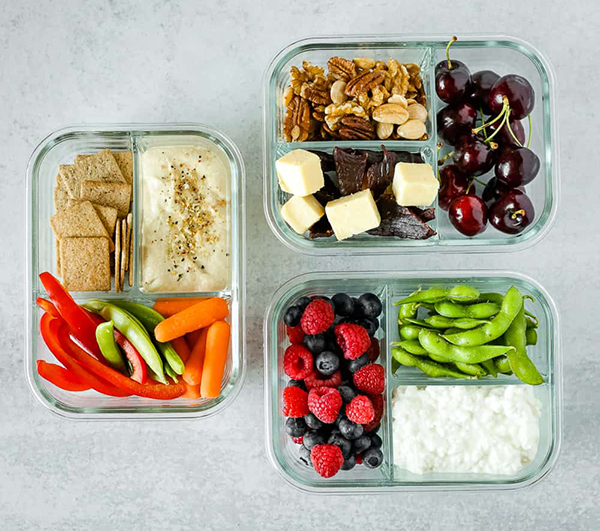
How to Create a Flexible Meal Plan You'll Actually Stick To
How to Create a Flexible Meal Plan You'll Actually Stick To
Meal planning can feel like a daunting task, but it doesn’t have to be! In fact, with a little creativity and some practical strategies, you can create a flexible meal plan that suits your lifestyle, preferences, and schedule. Whether you're a busy professional, a parent juggling multiple responsibilities, or simply someone who wants to enjoy home-cooked meals without the stress, this guide will help you create a meal plan you'll actually stick to.
Why Meal Planning?
Before diving into the how-tos, let’s discuss why meal planning is worth your time:
- • Saves Time: Prepping your meals in advance can free up your weeknights, allowing you to spend more time on what you love.
- • Reduces Food Waste: By planning your meals, you’ll know exactly what you need to buy, which helps minimize excess groceries that may spoil.
- • Promotes Healthy Eating: Meal planning encourages you to make healthier choices instead of resorting to last-minute takeout.
- • Saves Money: Planning meals can help you stick to your grocery budget by avoiding impulse buys.
Getting Started: Assess Your Needs
Before you create a meal plan, it’s essential to assess your needs. Here are some questions to consider:
- 1. What is your cooking skill level?
- 2. How much time do you have to cook during the week?
- 3. What dietary preferences or restrictions do you have?
- 4. How many meals do you need to plan for?
- 5. What ingredients do you already have?
Step 1: Choose Your Meal Planning Style
There are several approaches to meal planning, and the key is to find a style that resonates with you. Here are a few popular methods:
Traditional Weekly Meal Planning
This is the classic approach where you plan out meals for each day of the week.
| Day | Breakfast | Lunch | Dinner |
|---|---|---|---|
| Monday | Oatmeal | Chickpea Salad | Stir-Fry |
| Tuesday | Smoothie | Quinoa Bowl | Tacos |
| Wednesday | Eggs & Toast | Leftovers | Pasta |
| Thursday | Yogurt & Fruit | Sandwich | Grilled Chicken |
| Friday | Pancakes | Salad | Pizza |
| Saturday | Cereal | Picnic | BBQ |
| Sunday | Frittata | Meal Prep | Family Dinner |
Themed Days
Assigning themes to certain days can simplify the planning process. For example:
- • Meatless Monday
- • Taco Tuesday
- • Wok Wednesday
- • Throwback Thursday (old family recipes)
- • Fun Food Friday (pizza, burgers, etc.)
Batch Cooking
Prepare large quantities of a few versatile recipes that can be mixed and matched throughout the week.
A La Carte Meal Planning
Create a list of meals and ingredients, and mix and match based on what you feel like cooking each day. This is the most flexible approach and allows for spontaneity.
Step 2: Plan Your Meals with Flexibility
Now that you’ve chosen your meal planning style, let’s dive into how to make it flexible. Here are some strategies:
Build a Master List of Go-To Recipes
Create a list of your favorite meals and categorize them based on main ingredients, cooking time, and dietary preferences. This will make it easier to pull from your repertoire when planning meals.
Example Master List:
- • Protein-Based: Grilled chicken, Lentil soup, Beef stir-fry
- • Vegetarian: Vegetable curry, Stuffed bell peppers, Caprese salad
- • Quick & Easy: Quesadillas, One-pan pasta, Omelets
Use Ingredients Across Multiple Meals
Maximize your grocery budget and minimize waste by using ingredients in multiple recipes. For example:
- • Chicken: Use it in salads, stir-fries, and wraps.
- • Quinoa: Great for bowls, salads, or as a side dish.
- • Seasonal Vegetables: Incorporate them into different meals throughout the week.
Create a Flexible Grocery List
When you shop, focus on versatile ingredients that can be used in various recipes. Here’s a sample grocery list:
| Produce | Protein | Grains | Dairy |
|---|---|---|---|
| Spinach | Chicken breast | Quinoa | Greek yogurt |
| Bell peppers | Canned chickpeas | Brown rice | Cheese |
| Broccoli | Eggs | Whole wheat pasta | Milk |
| Avocados | Tofu | Oats | Butter |
| Seasonal fruits | Ground beef | Tortillas |
Step 3: Plan for Leftovers and Snacks
Leftovers can be a lifesaver. Plan to cook extra portions for dinner so you can have them for lunch the next day. Additionally, consider snacks that are easy to prep:
- • Veggies and hummus: Chop a variety of vegetables at the start of the week for quick snacks.
- • Granola bars: Make or buy healthy granola bars for on-the-go energy.
- • Hard-boiled eggs: Prepare a batch to have protein-rich snacks throughout the week.
Step 4: Schedule Meal Prep Time
Block out time in your calendar for meal prep. Here are some tips to make the most of your prep time:
- • Choose a Day: Many people find Sundays work best for meal prep, but choose a day that fits your schedule.
- • Make It Fun: Put on some music or a podcast to make the process enjoyable.
- • Prep in Batches: Cook large portions of grains, proteins, and roasted vegetables that can be used throughout the week.
Step 5: Stay Flexible
Life is unpredictable, and sometimes our best-laid plans go awry. Here’s how to stay flexible with your meal plan:
- • Swap Meals: If you’re not in the mood for what you planned, feel free to swap meals around.
- • Keep It Simple: Have a few easy-to-cook recipes on standby for those days when time is short.
- • Embrace Leftovers: If you have extra food from one meal, don’t hesitate to incorporate it into another meal.
Step 6: Reflect and Adjust Regularly
After a few weeks of meal planning, take the time to reflect on what worked and what didn’t. Here are some questions to guide your reflection:
- 1. Did I stick to my meal plan?
- 2. What meals did I enjoy the most?
- 3. Were there any ingredients that went to waste?
- 4. What adjustments can I make for next week?
Conclusion
Creating a flexible meal plan isn’t just about organizing meals; it’s about fostering a joyful and stress-free cooking experience. By understanding your needs, choosing a meal planning style, and incorporating flexibility, you can enjoy delicious homemade meals that fit seamlessly into your lifestyle. Whether you’re cooking for yourself or your family, a well-thought-out meal plan can bring a sense of harmony to your kitchen and dining table.
So grab your favorite notebook or meal planning app, and start crafting a meal plan that's not only practical but fun. Happy cooking!