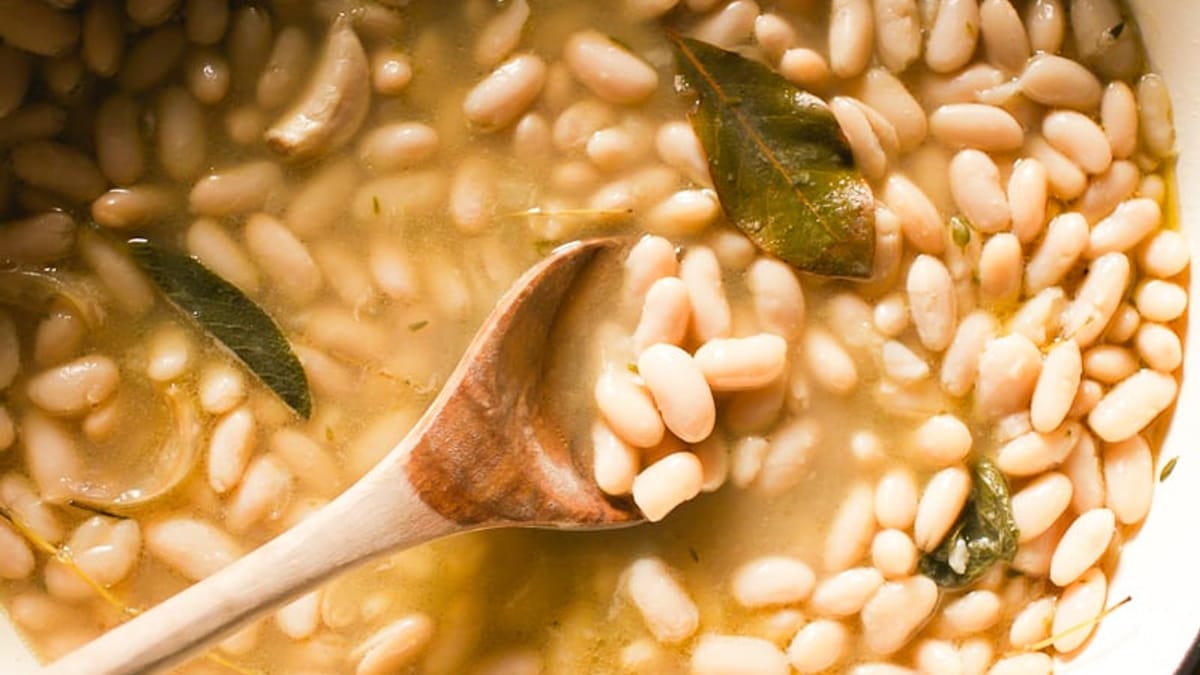
How to Cook Beans Perfectly Every Time
Cooking beans perfectly every time is a skill that can elevate our meals and save us money, all while providing a hearty source of protein and fiber. Beans are versatile, nutritious, and can be a delightful addition to countless dishes, from soups and stews to salads and dips. However, many home cooks shy away from cooking beans from scratch, opting for canned varieties instead. While canned beans are convenient, nothing beats the flavor and texture of freshly cooked beans. So, let’s embark on this culinary journey together and explore how to cook beans perfectly every time.
Understanding Different Types of Beans
Before we dive into the cooking process, let’s familiarize ourselves with the fantastic world of beans. There are countless varieties, each with its unique flavor, texture, and culinary application. Some popular options we might consider include black beans, kidney beans, pinto beans, navy beans, and chickpeas. Each type of bean has its own ideal cooking time and method, so understanding these differences will help us achieve that perfect dish.
For example, black beans are known for their creamy texture and slightly sweet flavor, making them ideal for Latin American dishes. On the other hand, chickpeas, with their nutty taste, are perfect for Mediterranean recipes like hummus. By recognizing the unique characteristics of each bean, we can tailor our cooking methods accordingly.
Preparing Beans for Cooking
One of the most important steps in cooking beans is the preparation process. Whether we choose to soak our beans or not can significantly impact the end result. Soaking beans not only reduces cooking time but also helps to improve their texture and digestibility.
We can opt for two soaking methods: the traditional overnight soak or the quick soak. For the overnight soak, we simply cover the beans with water and let them sit for at least eight hours. This method is great for planning ahead, allowing us to cook beans whenever we’re ready.
If we’re short on time, the quick soak method can work wonders. Just bring a pot of water to a boil, add the beans, and let them boil for about two minutes. Then, we’ll turn off the heat, cover the pot, and let it sit for an hour. Both methods will yield beans that cook evenly and have a pleasant texture.
Cooking Methods
Once our beans are prepped and soaked, it’s time to explore the various cooking methods. Each method has its pros and cons, and the choice may depend on the type of bean and our personal preference.
When cooking beans on the stovetop, we’ll want to cover them with fresh water—about two inches above the beans—and bring the pot to a simmer. It’s essential to keep the heat low and gentle to avoid breaking the beans apart. As they cook, we should check for doneness regularly, which can take anywhere from 30 minutes to two hours, depending on the type of bean.
If we’re looking for a hands-off approach, using a slow cooker is an excellent option. We can combine soaked beans with water and any desired seasonings, then let the slow cooker do its magic. This method is particularly great for soups and stews, as the beans will absorb all the delicious flavors of the other ingredients.
For those of us who love speed, the pressure cooker is a game-changer. Cooking beans under pressure can drastically reduce the cooking time, making it a perfect option for weeknight dinners. However, we should be cautious and follow the specific instructions for our pressure cooker, as different beans may require different cooking times.
Flavoring Your Beans
While beans are delicious on their own, they can really shine with the right seasonings. When we cook beans, we have the opportunity to infuse them with various flavors. However, it’s crucial to wait until the beans are tender before adding acidic ingredients like tomatoes or vinegar, as these can toughen the beans’ skins.
Adding aromatics like onions, garlic, bay leaves, or herbs during the cooking process can elevate the flavor profile. For example, sautéing onions and garlic before adding the soaked beans and water can create a fantastic base for our dish. We can experiment with different spices and herbs to find combinations that suit our taste preferences.
Common Mistakes to Avoid
As we become more confident in cooking beans, it’s essential to be aware of common mistakes that can lead to less-than-perfect results. One of the most significant pitfalls is not using enough water. Beans need ample water to cook evenly and thoroughly, so we should always err on the side of caution.
Another common mistake is adding salt too early in the cooking process. While salt enhances flavor, adding it before the beans are tender can lead to tough beans. Instead, we can season our beans toward the end of cooking, allowing us to taste and adjust as needed.
Lastly, we should avoid neglecting the soaking step altogether. Skipping this crucial preparation can lead to uneven cooking, a longer cooking time, and, at times, a less enjoyable texture. By taking the time to soak our beans, we can ensure a more successful outcome.
Storing Leftover Beans
After we’ve cooked a delicious batch of beans, we might find ourselves with leftovers. The good news is that cooked beans store beautifully. We can refrigerate them in an airtight container for about four to five days or freeze them for up to six months. Freezing beans in portioned amounts makes it easy to pull out just what we need for future meals.
When reheating our beans, adding a splash of water or broth can help restore moisture and flavor. We can also consider incorporating them into new dishes—beans are incredibly versatile! We might blend them into soups, toss them in salads, or use them as a filling for tacos or burritos.
Embracing the Bean Experience
Cooking beans is not just about the end product; it’s about the journey in the kitchen and the joy of creating wholesome meals. As we experiment with different beans, flavors, and cooking techniques, we’ll discover our own preferences and develop our unique style of cooking.
When we gather around the table with family or friends, sharing a dish we’ve created with our own hands, it fosters a sense of connection and community. Beans have a remarkable way of bringing people together, making them an ideal choice for gatherings and weeknight dinners alike.
So, let’s roll up our sleeves and embrace the art of cooking beans. With a little preparation, the right techniques, and a touch of creativity, we can enjoy perfectly cooked beans every time. They not only nourish our bodies but also enrich our culinary adventures. Here’s to beans—our versatile kitchen companions!