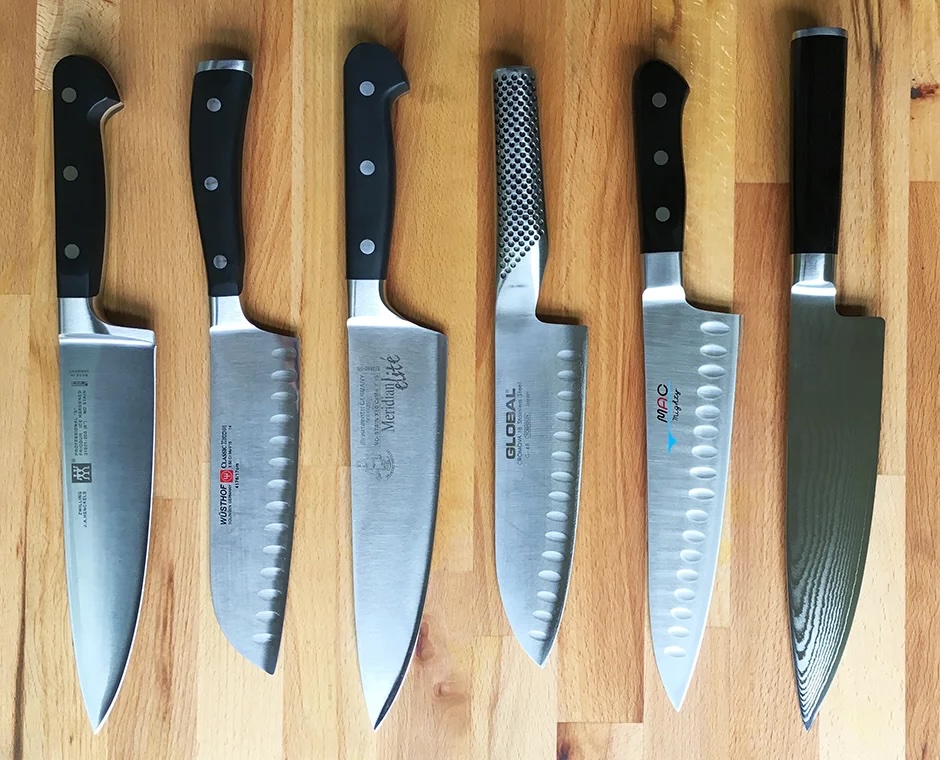
How to Choose Your First High - Quality Chef's Knife
How to Choose Your First High-Quality Chef's Knife
Introduction
Choosing your first high-quality chef's knife is not just a purchase; it's an investment in your cooking journey. A good chef's knife can elevate your culinary skills, making chopping, slicing, and dicing more efficient and enjoyable. In this guide, we’ll explore everything you need to know to make an informed choice, including types of knives, key features to look for, and tips to maintain your blade for years to come.
Understanding the Chef's Knife
A chef's knife is often considered the workhorse of the kitchen. Typically, it features a broad, tapered blade that allows for a variety of cutting techniques, making it versatile enough to handle most tasks. Here are a few characteristics that define a chef's knife:
- • Blade Length: Usually between 8 to 10 inches.
- • Blade Shape: A curved edge for rocking cuts.
- • Material: High-carbon stainless steel is common, but other materials may also be used.
Why Invest in a High-Quality Knife?
Before delving into specifics, let’s discuss why a high-quality chef's knife is worth the investment:
- • Durability: Quality materials and craftsmanship mean your knife will last longer.
- • Performance: A sharp, well-balanced knife makes food prep easier and more enjoyable.
- • Safety: Dull knives are more dangerous as they require more force to cut, increasing the chance of slips and accidents.
Key Features to Look For
When shopping for your first chef's knife, consider the following features:
1. Blade Material
The material of the blade significantly affects performance and durability. Here are some common options:
| Material | Description | Pros | Cons |
|---|---|---|---|
| High-Carbon Stainless Steel | Combines durability with rust resistance | Sharp, retains edge well, easy to sharpen | Can be prone to staining if not cared for |
| Ceramic | Lightweight and rust-proof | Retains sharpness for a long time | Brittle, can chip or break easily |
| Stainless Steel | Common, rust-resistant | Affordable, easy to maintain | Dulls quicker than high-carbon |
| Damascus Steel | Multiple layers of steel for strength | Beautiful patterns, very sharp | Expensive and requires special care |
2. Blade Edge
The edge of the knife impacts how it cuts. Look for these types:
- • Straight Edge: Ideal for precise cuts and slicing.
- • Serrated Edge: Good for cutting through tough or crusty items but less versatile.
- • Granton Edge: Features dimples that help food release from the blade, preventing sticking.
3. Handle Material and Design
The handle can greatly influence comfort and control. Here are some common materials:
| Handle Material | Description | Pros | Cons |
|---|---|---|---|
| Wood | Classic, warm feel | Comfortable grip, aesthetic appeal | Requires maintenance; can warp |
| Plastic | Lightweight, durable | Affordable, easy to clean | May not feel as premium |
| Composite | Mixture of materials | Durable and offers good grip | Varies in feel and aesthetics |
4. Weight and Balance
A well-balanced knife feels comfortable during use. Here’s how to assess weight and balance:
- • Weight: Heavier knives can feel more substantial but may tire you out during prolonged use. Lighter knives offer more agility.
- • Balance: Hold the knife by the handle; a well-balanced knife should pivot around the blade’s heel.
Finding the Right Fit
Once you understand the key features, it’s time to find the right knife for you. Here are some steps to help you narrow down your options:
- 1. Set a Budget: High-quality knives can range from $50 to over $300. Determine how much you’re willing to spend, keeping in mind that a higher price often indicates better materials and craftsmanship.
- 2. Research Brands: Some reputable brands known for quality chef's knives include:
- 3. Read Reviews: Look for customer reviews and expert recommendations to gauge performance and reliability.
- 4. Visit a Store: If possible, go to a kitchenware store to hold and test different knives. Pay attention to how they feel in your hand and how easily they cut through food.
- 5. Consider the Warranty: A good warranty can indicate the manufacturer's confidence in their product. Look for warranties that cover manufacturing defects and offer repair or replacement.
Maintenance Tips for Your Chef's Knife
Once you’ve chosen your knife, you’ll want to keep it in optimal condition. Here are some maintenance tips:
1. Sharpening
A sharp knife makes cooking safer and more enjoyable. Here are some sharpening methods:
- • Whetstone: Offers precision; requires some practice.
- • Honing Rod: Used to maintain the edge between sharpenings.
- • Electric Sharpener: Convenient but can be harsh on blade edges.
2. Cleaning
Always hand wash your knife with warm, soapy water and dry it immediately. Avoid the dishwasher, as the heat and moisture can damage the blade and handle.
3. Storage
Store your knife safely to avoid dulling the blade:
- • Knife Block: Keeps blades protected and organized.
- • Magnetic Strip: Saves counter space and showcases your knife.
- • Blade Guards: Protects the edge when stored in a drawer.
Conclusion
Investing in your first high-quality chef's knife is a significant step towards elevating your cooking skills. By understanding the key features, testing different options, and maintaining your knife properly, you’ll find a tool that not only enhances your culinary experience but also brings joy to your kitchen. Remember, a good knife is an extension of your hand in the kitchen; choose wisely, and happy cooking!