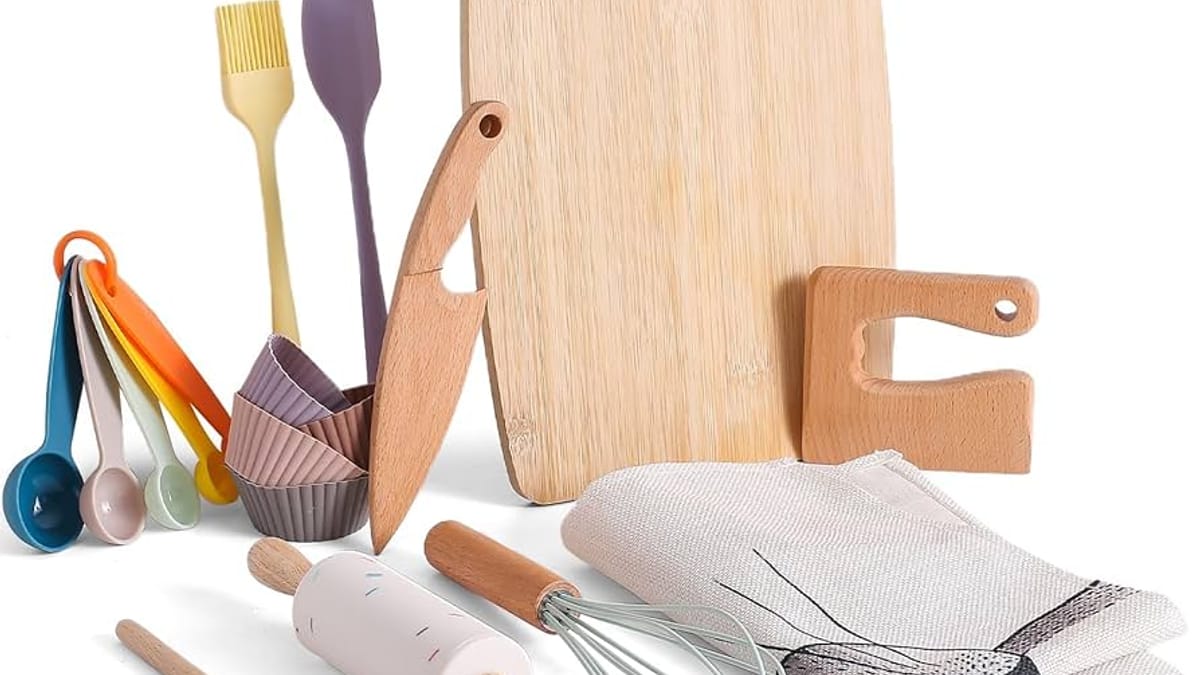
How to Choose the Right Cutting Board for Your Kitchen
Choosing the right cutting board for your kitchen is one of those seemingly simple tasks that can significantly impact your cooking experience. A good cutting board not only helps with food preparation but can also enhance the safety and longevity of your knives and the quality of your food. With so many types and materials available, it’s essential to understand the differences and the best applications for each. Let’s dive into the world of cutting boards and discover how to select the perfect one for your culinary needs!
Understanding Cutting Board Materials
When it comes to cutting boards, the material you choose can greatly influence your cooking efficiency, knife maintenance, and even food hygiene. Here are the most common materials used for cutting boards:
1. Wood
Pros:
- • Gentle on Knives: Wood boards are less likely to dull your knives compared to harder surfaces.
- • Aesthetic Appeal: They often have beautiful grains and can add warmth to your kitchen décor.
- • Self-Healing Properties: Wood can absorb cuts and scratches, allowing the surface to "heal" over time.
- • Maintenance Required: Wood boards need regular oiling to prevent drying and cracking.
- • Not Dishwasher Safe: They must be hand-washed to maintain their integrity.
2. Plastic
Pros:
- • Easy to Clean: Most plastic boards are dishwasher safe and non-porous, making them more hygienic.
- • Lightweight and Portable: Easy to move around the kitchen or take outdoors.
- • Affordable: Generally less expensive than wood and available in various sizes.
- • Knife Damage: Plastic boards can become scratched over time, which may harbor bacteria.
- • Less Aesthetic Value: They may not have the same visual appeal as wooden boards.
3. Bamboo
Pros:
- • Eco-Friendly: Bamboo is a sustainable resource, making it an environmentally friendly choice.
- • Durable: Bamboo boards are hard and resistant to moisture.
- • Lightweight: Easy to handle and store.
- • Can Be Hard on Knives: The hardness of bamboo can dull blades faster than softer woods.
- • Requires Care: Similar to wood, bamboo boards need regular oiling.
4. Glass and Stone
Pros:
- • Non-Porous: Very hygienic and doesn’t absorb odors or stains.
- • Durable: Resistant to scratches and can be used for serving.
- • Knife Damage: Glass and stone can quickly dull knives and may cause them to chip.
- • Heavy: These boards can be cumbersome to move around.
Size and Thickness Matters
When choosing a cutting board, size and thickness can impact how comfortable and efficient your cooking experience will be.
Ideal Sizes
- • Small (12" x 18"): Great for quick tasks like slicing fruits or herbs.
- • Medium (18" x 24"): Versatile for everyday use, suitable for cutting vegetables and meats.
- • Large (24" x 36"): Perfect for larger meal prep, especially for gatherings or batch cooking.
Thickness
- • Thin Boards (0.5 inches): Lightweight and easy to handle, but may warp over time.
- • Medium Boards (0.75 to 1 inch): Offer a good balance of sturdiness and portability.
- • Thick Boards (1 inch and above): Heavy and stable; great for serious cooks who need a durable surface.
Shape and Design
Cutting boards come in various shapes, and your choice can depend on your cooking style and kitchen space.
Rectangular Boards
The classic choice for versatility, perfect for most tasks.
Round Boards
Great for serving and specific tasks like kneading dough or slicing pizzas.
Specialty Boards
Some boards come with grooves for collecting juices, built-in knife holders, or even integrated scales. Assess your cooking habits to determine if a specialty board is worth the investment.
Maintenance Tips for Longevity
To keep your cutting boards in top shape, proper maintenance is key.
- • Cleaning: For wooden and bamboo boards, use a damp cloth with mild soap. Avoid soaking them in water or putting them in the dishwasher. Plastic boards can be cleaned in the dishwasher, but make sure to wash them regularly to prevent bacteria growth.
- • Oiling: For wooden and bamboo boards, apply food-safe mineral oil every month or so to prevent drying out and cracking.
- • Sanitizing: Use a mixture of vinegar and water or a diluted bleach solution to sanitize your board after cutting raw meat. Rinse thoroughly afterward.
- • Storage: Store boards upright to allow them to breathe. Avoid stacking them to prevent warping.
Choosing the Right Board for Different Tasks
Different cooking tasks may require different cutting boards. Here’s a quick guide:
- • Vegetables and Fruits: A wooden or bamboo board is ideal for chopping veggies, as it’s gentle on your knives and provides a stable surface.
- • Meat: Use a plastic board designated for raw meats to avoid cross-contamination. Opt for a board with a groove to catch juices.
- • Bread: A wooden board is perfect for slicing bread, as it minimizes crumb mess and is easy on the crust.
- • Cheese: A wooden or bamboo board enhances the presentation of cheese platters.
Budget Considerations
While it's essential to invest in a quality cutting board, you don’t have to break the bank. Here are a few tips to find the right balance between quality and cost:
- • Set a Budget: Determine how much you’re willing to spend before shopping. Quality boards can range from $20 to several hundred dollars.
- • Look for Sales: Keep an eye on kitchenware sales, especially around holidays or during store clearances.
- • Consider Multi-Use Boards: If you're on a budget, look for boards that can serve multiple purposes, such as one that works well for both meats and vegetables.