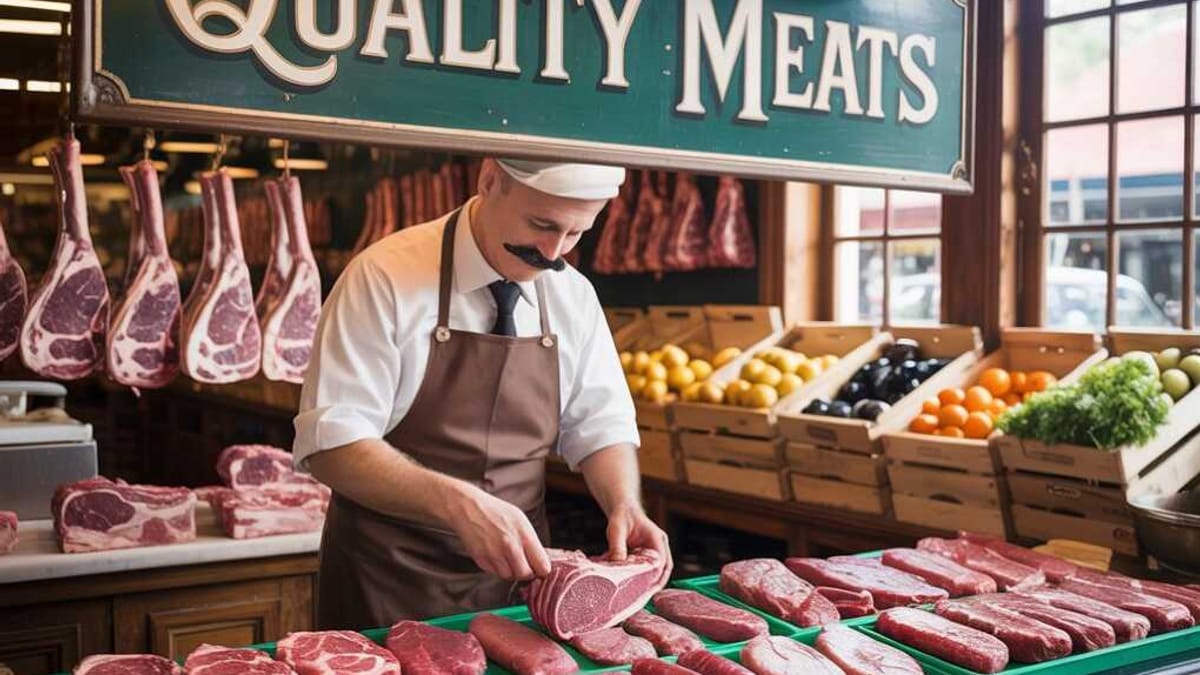
How to Choose the Best Quality Meat at the Butcher Counter
How to Choose the Best Quality Meat at the Butcher Counter
Visiting the butcher counter can feel like entering a treasure trove of culinary possibilities. Fresh cuts of meat, tantalizing aromas, and the chance to chat with knowledgeable staff can turn a routine grocery trip into an adventure. But with so many options available, how do you choose the best quality meat? This guide will arm you with essential tips and techniques to make informed decisions that enhance your cooking and elevate your meals.
Understanding Meat Quality
Before diving into the specifics, it's essential to understand what makes meat high quality. Meat quality can be affected by several factors, including:
- • Animal Breed: Certain breeds are known for better flavor and tenderness.
- • Feeding Practices: Grass-fed vs. grain-fed can impact taste and texture.
- • Processing and Aging: Dry-aging and wet-aging can enhance flavor.
- • Storage and Handling: Proper storage and handling ensure freshness.
Types of Meat Available
The butcher counter typically offers a variety of meats, each with distinct characteristics. Here's a quick rundown:
| Type of Meat | Description |
|---|---|
| Beef | Rich in flavor; cuts vary in tenderness and fat. |
| Pork | Versatile; often juicy with a mild flavor. |
| Lamb | Gamey and rich; often preferred for special occasions. |
| Poultry | Lean and versatile; includes chicken, turkey, and duck. |
| Game | Unique flavors; includes venison, bison, etc. |
Tips for Choosing Quality Meat
1. Know Your Cuts
Understanding the different cuts of meat is crucial. Here’s a brief guide to some common cuts:
- • Beef: Ribeye (rich and fatty), sirloin (leaner), brisket (great for slow cooking).
- • Pork: Tenderloin (lean), shoulder (good for roasting), belly (rich and fatty).
- • Lamb: Rack (tender and flavorful), leg (versatile), shank (ideal for slow cooking).
- • Poultry: Breast (lean), thigh (juicier), whole (great for roasting).
2. Look for Color and Texture
Quality meat should have a vibrant color and a firm texture. Here’s what to look for:
- • Beef: A deep red color; avoid brown or gray areas.
- • Pork: Light pink to reddish hue; the fat should be white and firm.
- • Lamb: Bright pink to red; the fat should be creamy.
- • Poultry: Should be pink; avoid any discoloration or sliminess.
3. Fat Content
Fat is crucial for flavor and tenderness. Here’s how to evaluate fat content:
- • Marbling: Look for thin streaks of fat within the muscle (especially in beef). More marbling generally means better flavor.
- • Fat Cap: A good layer of fat on the outside can help keep meat moist during cooking.
4. Smell and Freshness
A fresh piece of meat should have a clean, pleasant smell. If it has any sour or off-putting odors, it’s best to avoid it.
5. Ask Questions
Your butcher is your best resource for choosing quality meat. Don’t hesitate to ask questions such as:
- • Where is the meat sourced from?
- • What are the animal's feeding practices?
- • How was the meat processed?
- • How fresh is this cut?
Special Considerations for Different Meats
Beef
- • Aging: Dry-aged beef tends to have a more concentrated flavor. If you can find it, it's worth trying!
- • Grass-Fed vs. Grain-Fed: Grass-fed beef is often leaner and has a more robust flavor, while grain-fed tends to be more marbled.
Pork
- • Heritage Breeds: Look for heritage breeds like Berkshire or Duroc for superior flavor and texture.
- • Curing: If you're interested in specialty items like prosciutto or pancetta, ask for cured options.
Lamb
- • Local and Seasonal: If possible, select lamb that is locally sourced and in season for the best flavor.
- • Fat: A good amount of fat on lamb cuts enhances flavor, so don’t be afraid of some marbling.
Poultry
- • Free-Range and Organic: Look for free-range or organic labels for better flavor and welfare standards.
- • Whole Birds: Purchasing a whole bird can be more economical and offers versatility for different meals.
How to Store Meat Properly
Once you've chosen your meat, proper storage is essential to maintain its quality:
- • Refrigeration: Store meat in the coldest part of your refrigerator, ideally below 40°F (4°C).
- • Freezing: For long-term storage, wrap meat tightly in plastic wrap or foil and place it in an airtight container or freezer bag. Label with the date.
- • Thawing: Always thaw meat in the refrigerator or cold water, never at room temperature.
Cooking Techniques for Different Cuts
Understanding the best cooking methods for various cuts can significantly enhance your culinary results. Here’s a quick guide:
| Cut Type | Recommended Cooking Method | Notes |
|---|---|---|
| Ribeye | Grilling or pan-searing | High heat for a perfect crust. |
| Pork Shoulder | Slow roasting or braising | Ideal for pulled pork. |
| Lamb Rack | Roasting | Serve medium-rare for best flavor. |
| Chicken Thighs | Baking or grilling | Juicy and flavorful. |
Conclusion
Choosing the best quality meat at the butcher counter doesn't have to be intimidating. By understanding the factors that contribute to meat quality, knowing how to evaluate cuts, and being confident in your questions, you can elevate your cooking and enjoy the satisfaction of creating delicious meals. So next time you find yourself at the butcher counter, remember these tips, and don’t hesitate to explore new cuts and types of meat. Happy cooking!