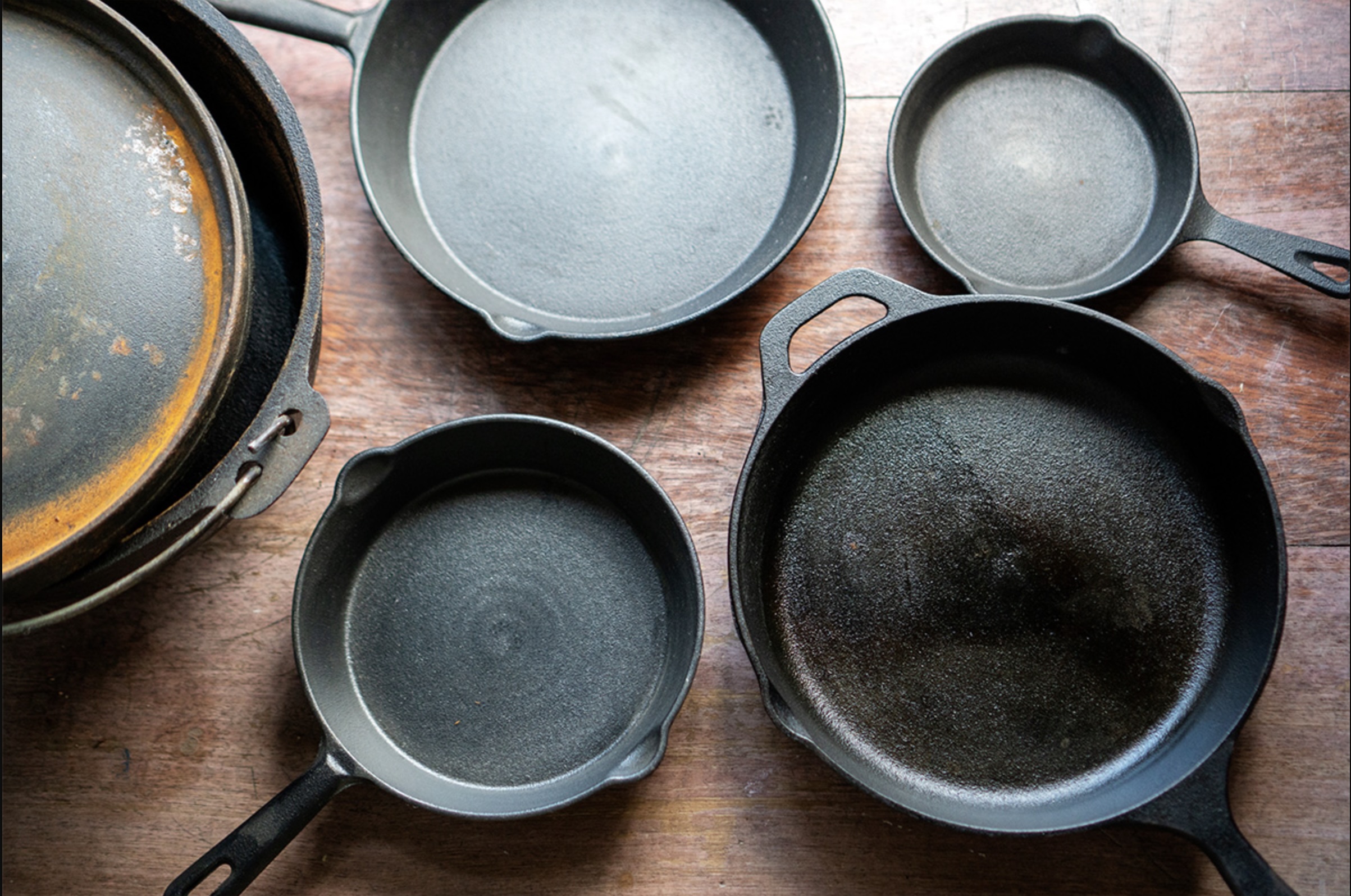
How to Care for Your Cookware: Cast Iron, Stainless Steel, and Non - Stick
How to Care for Your Cookware: Cast Iron, Stainless Steel, and Non-Stick
Cooking is an art, and your cookware is your canvas. Whether you’re a novice in the kitchen or a seasoned chef, understanding how to care for different types of cookware can elevate your culinary creations and prolong the life of your kitchen essentials. In this blog post, we’ll explore the best practices for caring for cast iron, stainless steel, and non-stick cookware. With these tips, you’ll be able to keep your pots and pans in top shape, ensuring that every meal you prepare is a delicious success.
Introduction to Cookware Care
Different materials require different care techniques. Knowing the dos and don’ts for each type will not only enhance their performance but also improve your overall cooking experience. Let’s dive into the specifics of each type of cookware.
Cast Iron Cookware
Cast iron cookware is beloved by many for its heat retention, durability, and unique ability to develop a natural non-stick surface when properly seasoned. However, it does require a bit more attention than other materials.
Seasoning Your Cast Iron
What is seasoning? Seasoning is the process of applying a layer of oil to the surface of cast iron cookware, which creates a protective coating to prevent rust and enhance non-stick properties.
How to Season Cast Iron
- 1. Clean: Scrub your cast iron with hot water and a stiff brush. If it’s particularly stubborn, use a bit of mild soap, but avoid soap as much as possible.
- 2. Dry: Immediately dry your cookware with a towel or place it on low heat to evaporate any remaining moisture.
- 3. Oil: Apply a thin layer of vegetable oil or flaxseed oil to the inside and outside of the cookware. Use a paper towel to spread it evenly.
- 4. Bake: Place the cookware upside down in an oven preheated to 450°F (232°C). Bake for one hour, then turn off the oven and let it cool inside.
Maintenance Tips
- • Avoid soaking: Never soak your cast iron in water, as this can lead to rust.
- • Use it frequently: Regular use helps maintain the seasoning.
- • Re-season when necessary: If food starts sticking or you notice rust, it’s time to re-season.
Cleaning Cast Iron
- • After cooking: Rinse with hot water, scrub with a brush, and dry immediately.
- • Stubborn residue: Use coarse salt as an abrasive cleaner, scrub, and rinse well.
Stainless Steel Cookware
Stainless steel is a kitchen workhorse, known for its durability, resistance to rust and staining, and non-reactive properties. While it may not require as much maintenance as cast iron, it does have specific care needs.
Cleaning Stainless Steel
Daily Care After each use, wash your stainless steel cookware with warm, soapy water and a soft sponge. Rinse thoroughly and dry with a soft cloth to prevent water spots.
Removing Stains and Discoloration
- • Baking soda paste: For stubborn stains, make a paste of baking soda and water. Apply it to the stain, let it sit for a few minutes, and scrub gently with a sponge.
- • Vinegar and baking soda: For tough discoloration, sprinkle baking soda on the pan, then spray with vinegar. Let it fizz for a few moments, scrub, and rinse.
Preventing Sticking
To prevent food from sticking, follow these tips:
- • Preheat cookware: Always preheat your stainless steel pan before adding oil or food.
- • Add oil at the right time: Once the pan is hot, add oil and allow it to heat before adding food.
Maintenance Tips
- • Avoid metal utensils: Use wooden, silicone, or plastic utensils to prevent scratching.
- • Keep it dry: Always dry your cookware after washing to prevent water spots and corrosion.
Non-Stick Cookware
Non-stick cookware is ideal for cooking delicate foods like eggs and pancakes, thanks to its smooth surface. However, proper care is crucial to avoid scratches and maintain its non-stick properties.
Cleaning Non-Stick Cookware
Daily Care Always hand wash non-stick cookware with a soft sponge and mild dish soap. Avoid abrasive cleaners and scouring pads, which can damage the coating.
Stubborn Residue Removal
- • Baking soda method: For tough residue, sprinkle baking soda on the surface, add a bit of water, and let it sit for a while before scrubbing gently with a soft sponge.
- • Vinegar solution: Mix equal parts vinegar and water, bring to a boil in the pan, then let it cool and wipe clean.
Cooking Techniques
To prolong the life of your non-stick cookware, follow these guidelines:
- • Use low to medium heat: High heat can damage the non-stick coating over time.
- • Avoid cooking sprays: These can leave a residue that is hard to remove. Instead, use a small amount of cooking oil.
Maintenance Tips
- • Use the right utensils: Only use silicone, plastic, or wooden utensils to avoid scratching the surface.
- • Store carefully: Stack non-stick pans with a cloth or paper towel in between to prevent scratches.
Summary Table of Care Techniques
| Cookware Type | Cleaning Method | Seasoning/Care Tips |
|---|---|---|
| Cast Iron | Hot water, stiff brush | Season regularly; avoid soaking |
| Stainless Steel | Warm, soapy water; baking soda for stains | Preheat before use; dry immediately |
| Non-Stick | Hand wash with soft sponge | Low to medium heat; avoid cooking sprays |
Conclusion
Taking care of your cookware not only ensures better cooking outcomes but also extends the lifespan of your kitchen tools. From the rich, seasoned surface of cast iron to the sleek shine of stainless steel and the effortless glide of non-stick pans, each type of cookware has its own set of needs. By following the guidelines outlined above, you’ll be well on your way to maintaining a well-equipped kitchen that inspires culinary creativity.
Remember, a little care goes a long way! Happy cooking!