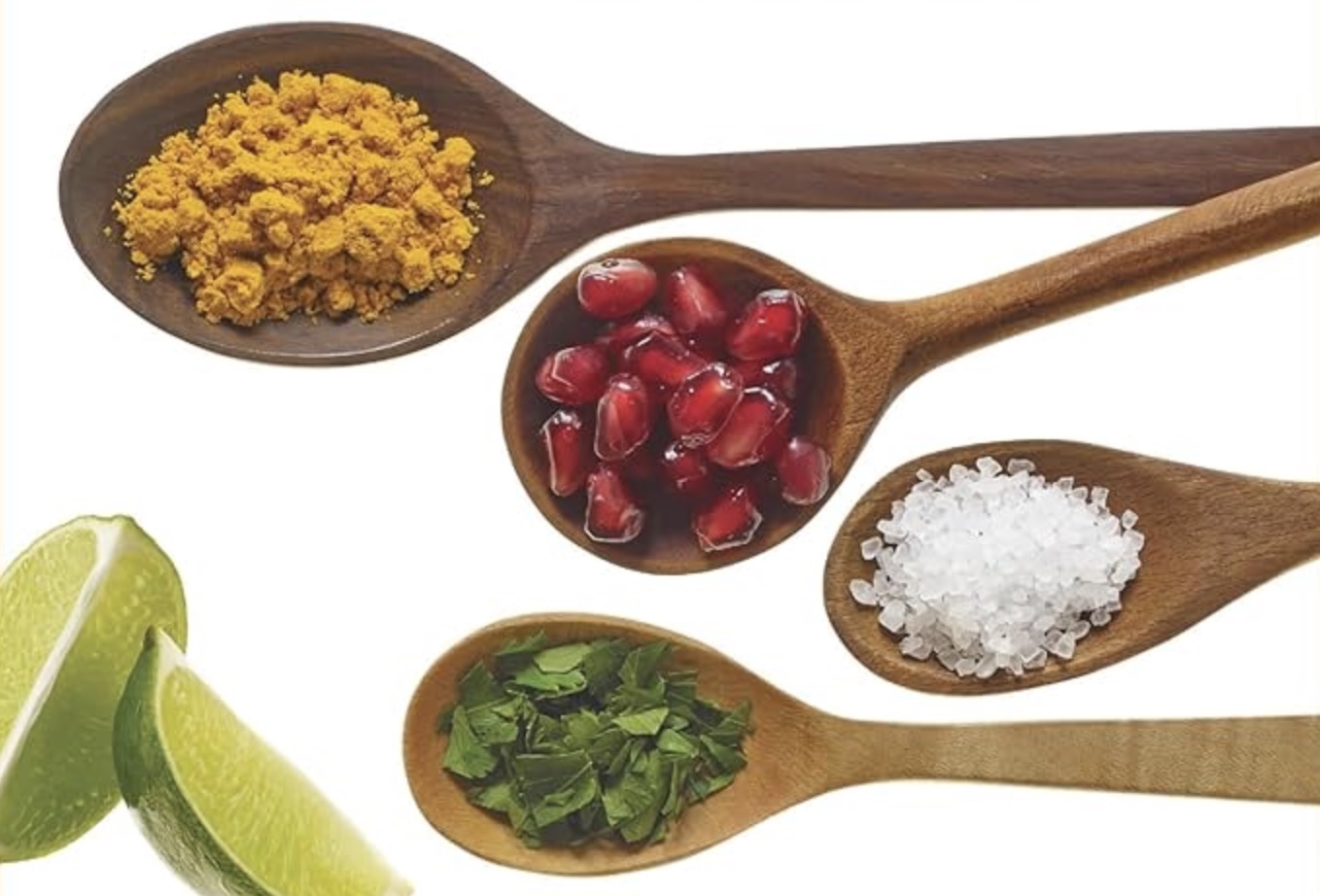
How to Build a "Flavor Library" for Quick and Creative Meals
Introduction
Cooking can often feel like a chore, especially when you're staring blankly at a fridge full of ingredients, unsure of what to make. However, what if I told you that you could turn cooking into a creative outlet, making delicious meals with ease? The secret lies in building a "Flavor Library." This concept involves curating a collection of flavors, ingredients, and techniques that inspire you to whip up quick and satisfying meals at a moment's notice. In this guide, we will explore how to build your Flavor Library step by step, enabling you to become a more confident and inventive cook.
What is a Flavor Library?
A Flavor Library is essentially a personalized collection of flavors, spices, condiments, and cooking techniques that you can draw upon to create meals. Think of it like a bookshelf filled with books, where each "book" represents a different flavor profile or ingredient. By having a variety of flavors at your disposal, you can mix and match to create unique dishes that suit your taste and mood.
Why Build a Flavor Library?
- • Encourages Creativity: You’ll find it easier to experiment with new dishes and flavor combinations.
- • Saves Time: With a stocked Flavor Library, you’ll be able to whip up meals quickly, even on busy days.
- • Reduces Food Waste: Using what you have on hand creatively can help prevent ingredients from going to waste.
- • Boosts Cooking Skills: You’ll learn more about flavors, pairings, and techniques, enhancing your culinary repertoire.
Steps to Build Your Flavor Library
1. Assess Your Current Pantry
Before you can build a Flavor Library, it's essential to know what you already have. Take a few moments to go through your pantry, fridge, and spice cabinet.
Tips for Assessment:
- • Make a List: Jot down the spices, sauces, and ingredients you already own.
- • Check Expiration Dates: Discard anything that’s expired or no longer usable.
- • Identify Staples: Focus on common ingredients like olive oil, garlic, onions, and vinegar, as these are foundational for many dishes.
2. Identify Key Flavor Profiles
A well-rounded Flavor Library should encompass various flavor profiles. Here are some essential ones to consider:
| Flavor Profile | Key Ingredients |
|---|---|
| Herbaceous | Basil, cilantro, parsley, thyme |
| Spicy | Chili flakes, cayenne, hot sauce |
| Savory | Soy sauce, miso, Worcestershire sauce |
| Sweet | Honey, maple syrup, balsamic vinegar |
| Sour | Lemon juice, vinegar, tamarind |
| Umami | Mushrooms, aged cheeses, nutritional yeast |
Action Steps:
- • Choose a few ingredients from each profile to start your collection.
- • Experiment with how these flavors interact in your cooking.
3. Stock Up on Essential Spices and Condiments
Spices and condiments are the heart of your Flavor Library. They can transform a mundane dish into something spectacular. Here are some must-have spices and condiments:
Essential Spices:
- • Salt: Enhances all flavors.
- • Black Pepper: Adds a mild heat and depth.
- • Paprika: Sweet or smoked, it adds color and flavor.
- • Cumin: Earthy and warm, great for curries and stews.
- • Oregano: Perfect for Italian and Mediterranean dishes.
- • Cinnamon: Not just for desserts; it adds warmth to savory dishes too.
Essential Condiments:
- • Soy Sauce: Adds umami and saltiness.
- • Hot Sauce: A quick way to add heat.
- • Mustard: Great for dressings and marinades.
- • Ketchup: Versatile for sauces and dips.
- • Vinegars: Balsamic, apple cider, and red wine vinegar for acidity and flavor.
4. Experiment with Fresh Ingredients
While dried spices and condiments are essential, fresh ingredients can truly elevate your dishes. Here’s how to incorporate fresh elements into your Flavor Library:
Fresh Herbs:
- • Basil: Great with tomatoes or in pesto.
- • Cilantro: Perfect for Mexican and Asian dishes.
- • Mint: Refreshing in salads or desserts.
Citrus:
- • Keep lemons, limes, and oranges on hand. Their juice or zest can brighten many dishes.
Aromatics:
- • Garlic and onions: The foundation of countless recipes.
- • Ginger: Adds warmth and spice to Asian dishes and marinades.
5. Create Flavor Pairing Charts
To make it easier to decide on flavor combinations, consider creating a flavor pairing chart. This chart will serve as a quick reference guide when you're in the kitchen.
Example Flavor Pairing Chart:
| Main Ingredient | Complementary Flavors |
|---|---|
| Chicken | Lemon, garlic, rosemary, thyme |
| Salmon | Dill, lemon, capers, honey |
| Pasta | Olive oil, garlic, parmesan, basil |
| Rice | Soy sauce, ginger, scallions |
| Vegetables | Garlic, olive oil, balsamic vinegar |
6. Utilize Flavor Infusions
Infusing oils, vinegars, or broths with herbs and spices can add depth to your meals. Here’s how to do it:
Infused Oils:
- • Garlic Oil: Heat olive oil gently and add crushed garlic. Let it cool, then strain.
- • Herb Oil: Blend fresh herbs with oil and strain for a vibrant finishing oil.
Infused Vinegars:
- • Combine vinegar with herbs, spices, or fruit in a jar. Let it sit for a few weeks for maximum flavor.
7. Keep a Recipe Journal
As you experiment with your Flavor Library, it’s beneficial to document your successes and failures. A recipe journal can help you remember what worked and what didn’t.
What to Include:
- • Ingredients Used: Note the amounts for future reference.
- • Cooking Techniques: Write down any special techniques you tried.
- • Flavor Combinations: Record what pairs well together.
- • Ratings: Rate your dishes for future reference.
Cooking Techniques to Enhance Flavor
Building a Flavor Library is not just about ingredients; it's also about mastering cooking techniques that maximize flavor.
1. Sautéing and Stir-Frying
These techniques allow spices and aromatics to bloom, releasing their essential oils and flavors.
- • Tip: Always heat your pan before adding oil. This helps create a non-stick surface and enhances flavor.
2. Roasting
Roasting vegetables or proteins caramelizes their natural sugars, developing deeper flavors.
- • Tip: Toss your ingredients with olive oil, salt, and spices before roasting for maximum flavor.
3. Marinating
Marinating ingredients before cooking allows them to absorb flavors deeply.
- • Tip: Use acidic elements (like vinegar or citrus) along with oil to create effective marinades.
4. Deglazing
After cooking proteins, deglaze the pan with wine, broth, or vinegar to create a flavorful sauce.
- • Tip: Scrape the bottom of the pan to incorporate all those tasty browned bits.
Quick and Creative Meal Ideas from Your Flavor Library
With your Flavor Library in place, it’s time to put it into action. Here are some quick meal ideas that you can prepare using the elements you’ve gathered.
1. Herb-Infused Pasta
- • Ingredients: Pasta, olive oil, garlic, fresh herbs, parmesan.
- • Method: Cook pasta. In a pan, sauté minced garlic in olive oil, toss in cooked pasta, and finish with fresh herbs and parmesan.
2. Flavor-Packed Stir-Fry
- • Ingredients: Your choice of protein (chicken, tofu), mixed vegetables, soy sauce, ginger.
- • Method: Sauté protein until cooked, add veggies, and finish with soy sauce and grated ginger.
3. Zesty Roasted Vegetables
- • Ingredients: Seasonal vegetables, olive oil, balsamic vinegar, salt, pepper.
- • Method: Toss vegetables in olive oil and balsamic, roast until caramelized.
4. Quick Tacos
- • Ingredients: Ground meat or beans, taco seasoning, tortillas, fresh toppings (cilantro, avocado, lime).
- • Method: Cook meat with seasoning, serve in tortillas, and top with fresh ingredients.
Conclusion
Building a Flavor Library is a rewarding and creative endeavor that will not only enhance your cooking skills but also bring joy to your kitchen. By curating a diverse selection of flavors, spices, and techniques, you’ll find it easier to create quick and satisfying meals that are anything but ordinary.
Start small, experiment with what you enjoy, and don't be afraid to take risks in the kitchen. Over time, you’ll develop a rich library of flavors that will inspire countless delicious meals. Happy cooking!