How Processed Foods Hijacked Our Kitchens and Our Health
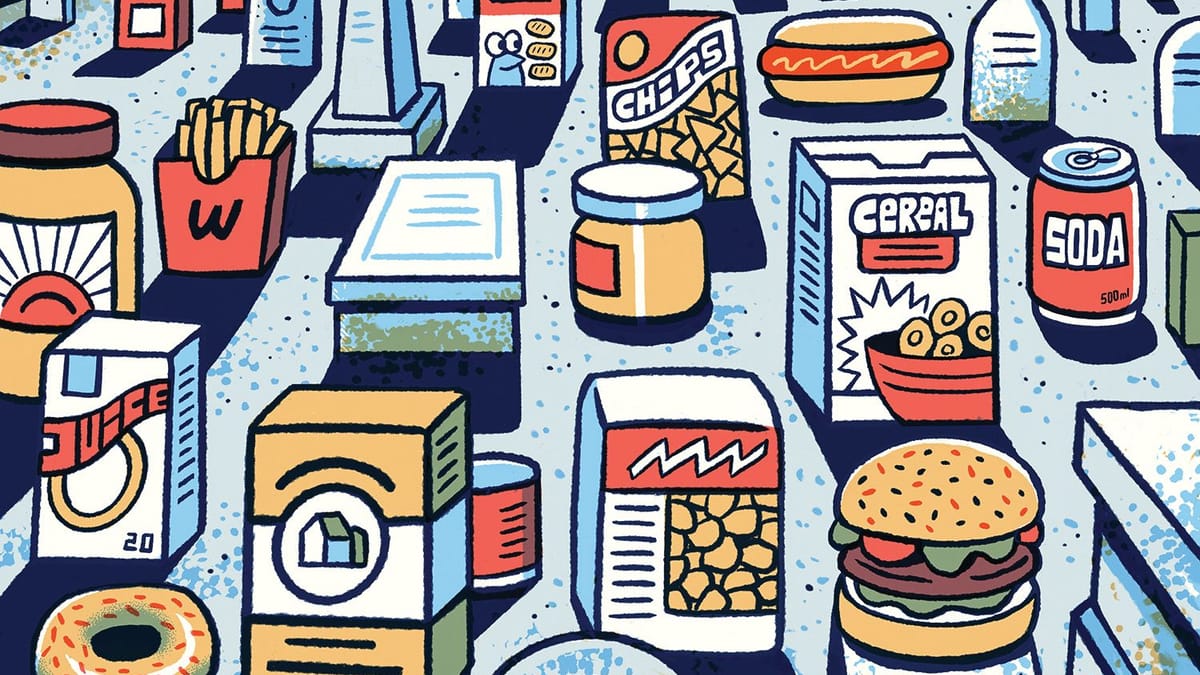
In recent decades, our kitchens have witnessed a transformation that many of us may not fully grasp. The rise of processed foods has reshaped not just what we eat but how we think about cooking and nutrition. It’s a trend that has crept into our lives, often without us realizing it. From frozen dinners to snack bars, processed foods have become staples in our diets, promising convenience and flavor. However, they often come at a cost to our health and cooking skills.
Understanding how we arrived at this point is crucial. It’s not merely about the food on our plates; it’s about how processed foods have influenced our cooking habits, our health, and even our relationships with food. As we explore this topic, we’ll delve into the history of processed foods, the impacts they have on our health, and practical steps we can take to reclaim our kitchens and our nutrition.
The Evolution of Processed Foods
To comprehend the current landscape of food, we need to take a step back in time. Processed foods have been around for centuries, but the methods and motivations behind them have changed significantly. Originally, food preservation techniques like drying, fermenting, and canning were developed to make food last longer and to ensure that communities could survive harsh seasons. These early forms of processed foods were primarily practical and often used whole ingredients.
However, the mid-20th century marked a shift in the food industry. With the advent of technology and mass production, companies began to create highly processed foods that were convenient and cheap. The food industry thrived on marketing these products, promoting them as modern solutions to busy lifestyles. We began to see the emergence of pre-packaged meals, instant noodles, and other products that promised to save us time in the kitchen. In this era of convenience, home cooking started to decline, and many of us turned to processed options as a quick fix.
The Impact on Our Health
While processed foods offer convenience, they often come with a hidden cost. Many of these products are loaded with preservatives, artificial flavors, and excessive amounts of sugar and salt. Over time, our bodies have become accustomed to these flavors, leading us to crave more of the same. This shift in taste preference can contribute to unhealthy eating patterns and related health issues.
We’ve seen a rise in obesity, diabetes, and heart disease, all of which are closely linked to diets high in processed foods. The convenience of grabbing a snack bar or microwaving a meal can mask the fact that we’re missing out on essential nutrients that whole foods provide. Fresh fruits, vegetables, whole grains, and lean proteins are often sidelined as we reach for the easier, processed options.
Reclaiming Our Kitchens
The good news is that we don’t have to accept processed foods as the norm. We have the power to reclaim our kitchens and our health. This journey begins with awareness and education. Let’s discuss some practical steps we can take to shift our mindset and habits towards more wholesome cooking.
First, let’s focus on understanding ingredients. When we shop for groceries, we should make it a habit to read labels. By familiarizing ourselves with common additives, we can make informed choices. If a product contains ingredients that we can’t pronounce or that are clearly artificial, it’s often best to put it back on the shelf. Instead, we should seek out products with fewer ingredients, ideally ones that we recognize.
Next, we can embrace meal planning. Taking the time to plan our meals for the week not only reduces the temptation to reach for processed foods but also allows us to get creative in the kitchen. We can explore seasonal produce and experiment with new recipes. It’s an opportunity to reconnect with the joy of cooking and discover the flavors of fresh ingredients.
Cooking Techniques to Elevate Our Skills
As we begin to move away from processed foods, it’s essential to build our cooking skills. The more confident we feel in the kitchen, the less likely we are to rely on convenience foods. Here are some techniques that can enhance our culinary repertoire.
One effective method is batch cooking. Preparing larger quantities of meals allows us to have healthy options ready to go when life gets hectic. We can cook a big pot of chili or stew, portion it out, and freeze it for later. This not only saves time but also ensures we always have a nutritious meal at hand.
Another skill to develop is mastering basic knife techniques. Knowing how to chop, dice, and julienne vegetables can make our cooking experience smoother and more enjoyable. We can practice these techniques with our favorite ingredients, learning how to prepare them in different ways. Not only does this improve our efficiency in the kitchen, but it also enhances the visual appeal of our dishes.
Additionally, let’s explore the world of spices and herbs. These can elevate the flavor of our meals without the need for excessive salt or sugar. By experimenting with different combinations, we can create unique and delicious dishes that excite our palates. Fresh herbs can be a game-changer, adding brightness and complexity to everything from salads to roasted vegetables.
Building a Supportive Kitchen Environment
Our kitchen environment plays a crucial role in our cooking habits. By creating a space that encourages healthy cooking, we can make it easier to choose whole foods over processed ones. Start by decluttering the pantry and fridge. When we can see what we have, it’s easier to make healthier choices.
We might also consider investing in some essential kitchen tools. A good set of knives, a sturdy cutting board, and high-quality cookware can make a significant difference in our cooking experience. These tools don’t need to break the bank; even a few well-chosen items can enhance our efficiency and enjoyment.
Incorporating our family or roommates into the cooking process can also be a great way to build a supportive kitchen environment. Cooking together can foster communication and strengthen relationships. It can also be an educational experience, where we share techniques and recipes, creating a bond over food.
Embracing Whole Foods
One of the most effective ways to combat the rise of processed foods is to embrace whole foods. These are foods that are as close to their natural state as possible. Fresh fruits, vegetables, whole grains, nuts, and seeds are all excellent choices. By incorporating more of these into our meals, we can nourish our bodies and reduce our reliance on processed options.
Shopping at local farmers' markets can be an enjoyable way to connect with whole foods. We can support local farmers while also discovering seasonal produce. Engaging with the community and learning about food sources can deepen our appreciation for what we eat.
Additionally, trying our hand at growing our herbs or vegetables can be a rewarding experience. Whether in a garden or small pots on a windowsill, nurturing plants can provide us with fresh ingredients and a sense of accomplishment. Plus, there’s nothing quite like the taste of freshly picked basil or tomatoes.
Finding Balance
While we advocate for reducing processed foods, it’s important to approach this journey with balance. Completely eliminating every processed item from our diets can lead to feelings of deprivation and frustration. Instead, let’s aim for moderation. We can allow ourselves the occasional treat or convenience item without feeling guilty.
Understanding that food is not just about nourishment but also about enjoyment is key. We can savor the moments spent with friends and family, sharing meals and creating memories. Food is an integral part of our culture and social lives, and it's essential to embrace that aspect while still maintaining our health.
Moving Forward
As we navigate the complexities of our modern food landscape, we must remain informed and proactive. The rise of processed foods may have hijacked our kitchens, but we hold the reins to change that narrative. By educating ourselves, improving our cooking skills, and focusing on whole foods, we can reclaim our kitchens and prioritize our health.
Let’s embrace the joy of cooking and the flavors of fresh ingredients. By taking small, actionable steps towards healthier eating, we can foster a deeper connection with food and each other. The journey may have its challenges, but with persistence and creativity, we can transform our kitchens back into spaces of nourishment and joy. Together, let’s make this journey towards healthier eating a delicious one!