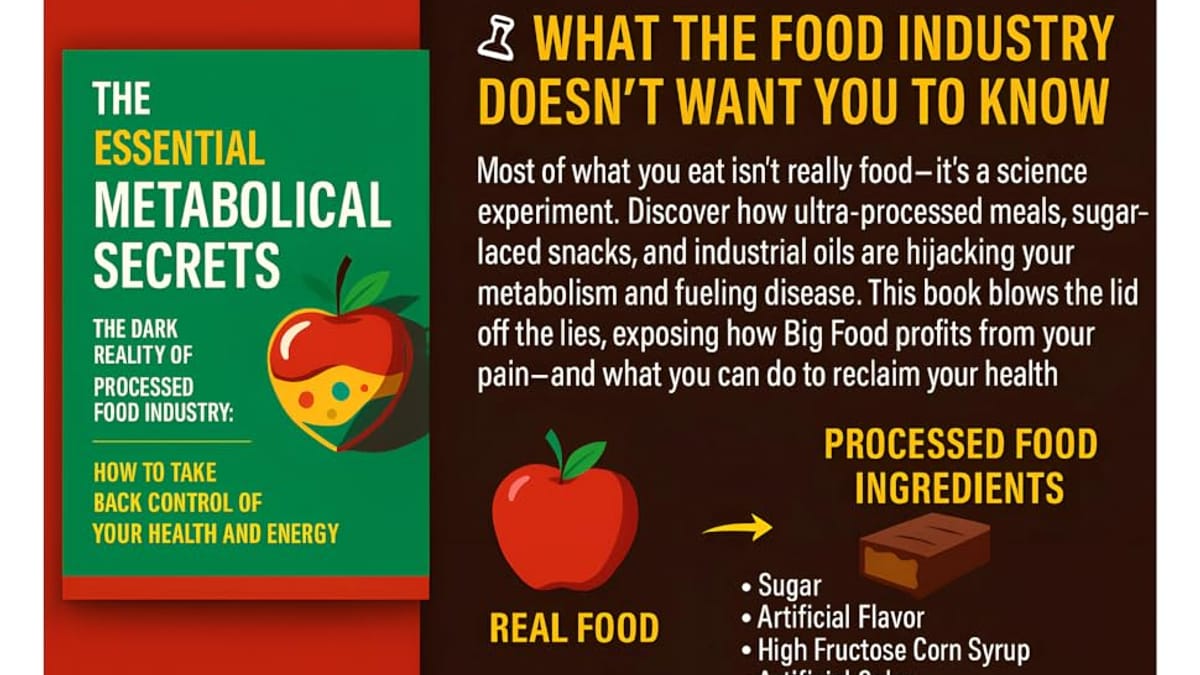
How Big Food Companies Lied About ‘Healthy’ Ingredients
When we stroll through the aisles of our local grocery store, it’s easy to be swayed by bright packaging and the alluring promises of “healthy” ingredients. We’ve all seen those eye-catching labels boasting things like “whole grain,” “natural,” or even “low fat.” But as we delve deeper into the world of food marketing, we begin to ask ourselves: Are these claims truly reflective of the nutrition packed inside? In this blog post, we will explore how big food companies have sometimes misled consumers about “healthy” ingredients, and how we can become more informed and discerning cooks in our own kitchens.
The Illusion of Healthy Ingredients
The first thing we need to recognize is that big food companies are in the business of selling products. Their goal is to attract as many customers as possible, and they often do this by crafting messages that resonate with our health-conscious desires. Unfortunately, this sometimes means that the reality behind the ingredients isn’t as rosy as they would like us to believe.
Let’s take a moment to break down some common phrases we encounter on food labels. “Natural” might sound wholesome, but the truth is that it’s a largely unregulated term. What does “natural” even mean in the context of food? It can refer to anything from minimally processed ingredients to products containing artificial additives. We need to be cautious about taking this term at face value.
Whole Grains vs. Refined Grains
Another common claim is “whole grain.” While whole grains do have more fiber and nutrients than their refined counterparts, it’s essential to read the fine print. Many products labeled as “whole grain” still contain high levels of sugar and unhealthy fats. For example, some breakfast cereals boast whole grains but also have excessive added sugars, making them less healthy than they appear.
When we’re shopping, we should aim to choose products where whole grains are the first ingredient listed. It’s also beneficial to familiarize ourselves with different types of grains. Quinoa, barley, and brown rice are excellent choices that offer a wealth of nutrients and can easily be incorporated into our meals.
The Low-Fat Deception
We often see the term “low fat” on a variety of products, from salad dressings to yogurts. While reducing fat can be beneficial in some contexts, many low-fat products compensate for the loss of flavor by adding sugar or artificial sweeteners. This can lead to a situation where we’re consuming fewer calories from fat but more calories from sugar, which can be counterproductive to our health goals.
When we are preparing our own meals, we can take control of the fat content by opting for healthy fats such as olive oil, avocados, and nuts. Not only do these provide essential fatty acids, but they also enhance the flavor of our dishes.
The Sugar Trap
Sugar is perhaps the most insidious ingredient in many processed foods. Food companies often use various names for sugar, including high-fructose corn syrup, cane sugar, or agave nectar, which can make it difficult for us to gauge how much sugar we’re actually consuming. A product may be marketed as “low-calorie” or “sugar-free,” but it could still contain other forms of sugars or sugar alcohols that can affect our health.
As home cooks, we can combat the sugar trap by preparing meals from scratch. Not only do home-cooked meals tend to be healthier, but they also allow us to control the amount of sugar we add. When we do need a sweetener, we can explore natural options like honey or maple syrup and use them sparingly.
Artificial Ingredients and Preservatives
Many processed foods contain artificial ingredients and preservatives that may not be beneficial for our health. While these additives extend shelf life and enhance flavor, they can also lead to various health concerns. For instance, some people may experience sensitivities to artificial colors and flavors, which can trigger allergic reactions or other adverse effects.
By focusing on whole, minimally processed foods, we can significantly reduce our intake of these additives. Fresh fruits, vegetables, and lean proteins should be the cornerstone of our meals. When we do purchase processed items, we should look for those with the fewest ingredients and ones we can easily recognize.
The Power of Ingredient Lists
One of the most empowering tools we have at our disposal is the ingredient list on food packaging. This is where we can gain insights into what we are truly consuming. Ingredients are listed in descending order by weight, meaning that the first few ingredients make up the bulk of the product.
When shopping, we should take a moment to assess the ingredient list. Are there multiple forms of sugar listed? Is there a long list of unrecognizable ingredients? If so, it may be wise to put that item back on the shelf.
Cooking from Scratch: Our Best Defense
In our quest for healthier eating, cooking from scratch is arguably our most effective strategy. It might seem daunting at first, but once we get the hang of it, we’ll discover that home cooking is not only rewarding but also healthier and often more economical.
We can start small—perhaps by preparing one or two meals a week from scratch. We might experiment with a simple vegetable stir-fry or a hearty soup. As we gain confidence, we can explore more complex recipes and techniques. The key is to have fun and enjoy the process of cooking.
Meal Prep: Planning for Success
Meal prep is another fantastic way to ensure we’re eating healthy throughout the week. By dedicating a few hours each weekend to preparing meals, we set ourselves up for success. We can chop vegetables, cook grains, or even prepare entire meals to be stored in the fridge or freezer for later consumption.
When we plan our meals, we can focus on incorporating a variety of colors, flavors, and textures. It makes our meals visually appealing and ensures we’re getting a range of nutrients. Plus, having ready-to-eat meals can help us resist the temptation of grabbing unhealthy snacks or takeout on busy days.
Engaging With Food Labels Mindfully
As we become more informed consumers, we should also consider our relationship with food labels. Instead of being swayed by marketing buzzwords, we can approach labels with a critical eye. We can ask ourselves what the claims really mean and whether they align with our health goals.
Additionally, we can educate ourselves about the nutritional content of the foods we consume. Understanding serving sizes, calories, and macronutrients can empower us to make better choices. There are numerous resources available, from apps to websites, that can help us track our intake and educate ourselves further.
Finding Community Support
Cooking and eating healthy can sometimes feel overwhelming, but we don’t have to do it alone. Finding a community of like-minded individuals can provide encouragement and support. Whether it’s a cooking class, a local food co-op, or an online forum, connecting with others who share our values can be a great way to stay inspired.
We can share recipes, swap cooking tips, and even collaborate on meal prep. Having a support system makes the journey more enjoyable, and it reminds us that we’re all in this together.
Embracing Imperfection
Finally, it’s important to remind ourselves that perfection is not the goal. We’re all human, and we will have days when we reach for convenience over nutrition. That’s perfectly okay. What matters most is our overall approach to food and health.
Cooking is a learning experience, and every meal is an opportunity to grow. Rather than striving for perfection, we can embrace the journey, making small, sustainable changes over time.
As we navigate the complex landscape of food marketing, we can take control of our health by becoming informed cooks and consumers. By focusing on whole ingredients, cooking from scratch, and engaging mindfully with food labels, we can create nourishing meals that serve our bodies well. Let’s continue to explore the joys of cooking and eating, armed with knowledge and a passion for health.