From Meal Plan to Grocery List: How to Streamline Your Weekly Shop
From Meal Plan to Grocery List: How to Streamline Your Weekly Shop
Every week, the same question looms: "What's for dinner?" For many home cooks, this can lead to stress, last-minute takeout, and a pantry full of forgotten ingredients. But what if you could transform your cooking experience from chaos to calm? The secret lies in meal planning and creating an effective grocery list. In this post, we’ll walk you through the steps to streamline your weekly shop, making cooking a delight rather than a chore.
Why Meal Planning Matters
Meal planning is not just about deciding what to eat; it’s a holistic approach that can save you time, money, and reduce food waste. By planning your meals in advance, you can:
- • Reduce stress: Knowing what you're going to cook each day takes the guesswork out of mealtime.
- • Save money: By shopping with a list, you're less likely to make impulse buys.
- • Eat healthier: Planning allows you to incorporate a variety of nutritious ingredients into your diet.
- • Minimize food waste: You’ll be more likely to use what you buy, reducing leftover ingredients that often go to waste.
Step 1: Assess Your Weekly Schedule
Before you dive into meal planning, take a moment to assess your weekly schedule. Consider the following:
- • Busy days: Are there evenings when you won’t have time to cook?
- • Leftovers: Can you plan meals that will yield leftovers for lunch or another dinner?
- • Family preferences: Are there specific meals that everyone loves or dislikes?
Example Schedule Assessment
| Day | Schedule | Meal Notes |
|---|---|---|
| Monday | Late work meeting | Quick stir-fry |
| Tuesday | Kids' soccer practice | Pasta night |
| Wednesday | Free evening | New recipe to try |
| Thursday | Out with friends | Leftovers from Tuesday |
| Friday | Movie night at home | Homemade pizza |
| Saturday | Grocery shopping | Meal prep day |
| Sunday | Family brunch | Pancakes & fruit |
Step 2: Plan Your Meals
With your schedule in hand, it’s time to plan your meals for the week. Here are some tips to make this process smoother:
- 1. Choose a Theme for Each Day: This can simplify your planning. For example:
- 2. Incorporate Seasonal Ingredients: Use fresh, seasonal produce to inspire your meals. Visit local farmers' markets or check grocery flyers for deals on seasonal fruits and vegetables.
- 3. Balance Your Meals: Aim for a mix of proteins, grains, and vegetables throughout the week. This ensures nutrient diversity and keeps meals interesting.
Sample Meal Plan
| Day | Breakfast | Lunch | Dinner |
|---|---|---|---|
| Monday | Oatmeal with berries | Quinoa salad | Vegetable stir-fry |
| Tuesday | Yogurt and granola | Turkey wrap | Tacos with black beans |
| Wednesday | Smoothie | Leftover stir-fry | Baked salmon with asparagus |
| Thursday | Avocado toast | Pasta salad | Leftovers from Tuesday |
| Friday | Eggs and toast | Fruit and cheese | Homemade pizza |
| Saturday | Pancakes | Meal prep leftovers | Family dinner (BBQ) |
| Sunday | Muffins | Brunch out | Roast chicken with veggies |
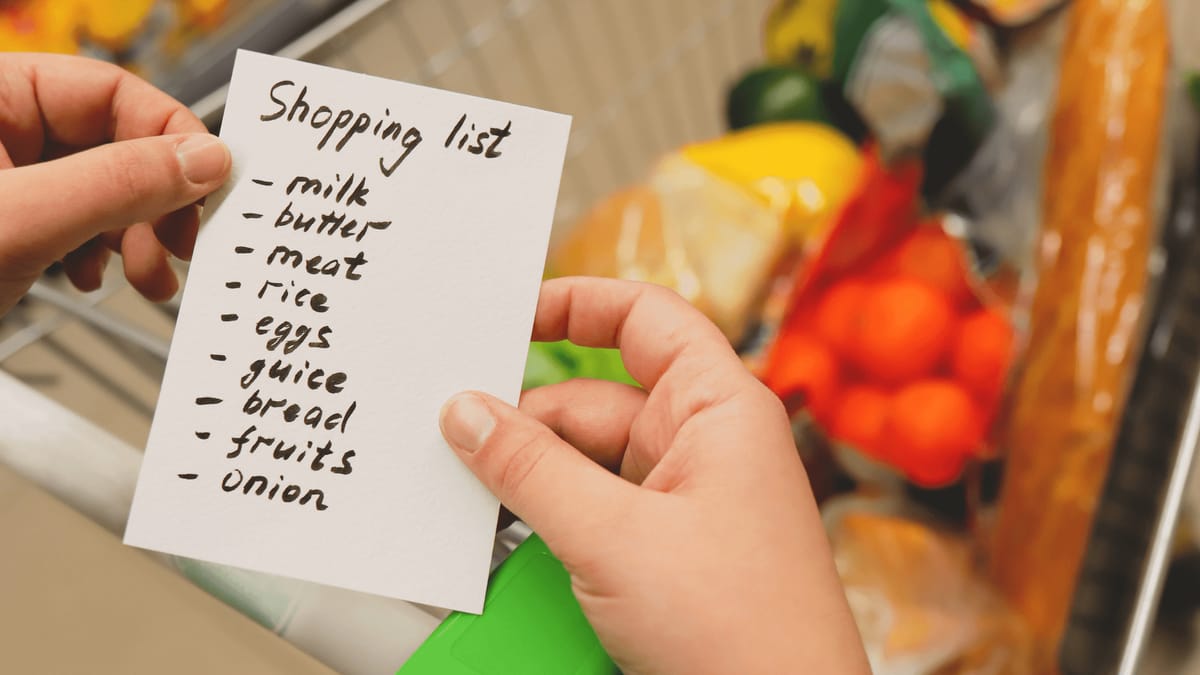
Step 3: Create Your Grocery List
Once your meals are planned, it’s time to create a grocery list that’s organized and easy to follow. Here’s how to do it effectively:
- 1. Categorize Your List: Group items by category (produce, dairy, proteins, grains, etc.) to make shopping easier.
- 2. Check Your Pantry: Before heading out, see what you already have on hand. This helps avoid duplicate purchases.
- 3. Be Specific: Instead of writing “fruit,” list the specific fruits you need (e.g., bananas, strawberries).
Sample Grocery List
| Category | Items |
|---|---|
| Produce | Bananas, spinach, tomatoes, bell peppers, asparagus |
| Dairy | Milk, yogurt, cheese |
| Proteins | Chicken breast, black beans, turkey slices |
| Grains | Quinoa, whole wheat tortillas, pasta |
| Pantry Items | Olive oil, soy sauce, spices, flour |
Step 4: Shop Smart
With your grocery list in hand, it’s time to hit the store. Here are some tips to make your shopping trip as efficient as possible:
- • Go at Off-Peak Hours: If possible, shop during less busy times to avoid crowds.
- • Stick to Your List: Try to avoid impulse buys. If you do see something that catches your eye, ask yourself if it fits into your meal plan.
- • Use Technology: Consider grocery apps that can help you keep track of your list and even find the best deals at your local store.
Step 5: Prep Ahead
Once you’re back from the store, take some time to prep your ingredients. This can save you a lot of time during the week. Here are some practical steps:
- • Wash and chop vegetables: Store them in airtight containers for easy access.
- • Batch cook grains: Cook a batch of quinoa or rice to use throughout the week.
- • Marinate proteins: If you’re grilling or baking chicken, marinate it in advance for better flavor.
Bonus Tips for Streamlining Your Cooking
- • Invest in Good Containers: Use clear, labeled containers to store prepped ingredients. This keeps your fridge organized and allows you to see what you have at a glance.
- • Plan for Snacks: Include healthy snacks in your meal plan to avoid last-minute junk food cravings. Think yogurt, nuts, or cut-up veggies.
- • Use Leftovers Wisely: Get creative with leftovers! Transform them into new meals (e.g., stir-frying leftover veggies into fried rice).
- • Keep a Recipe Binder: If you find recipes you love, keep them organized in a binder. This can be a great resource when planning future meals.
Conclusion
Meal planning and creating a grocery list may seem like extra work, but it pays off in spades. By taking the time to assess your schedule, plan balanced meals, and shop smartly, you’ll not only reduce stress and save money but also enhance your cooking skills and enjoyment in the kitchen.
Remember, the key is to start small—try planning just a few meals this week, and gradually build your confidence. Before you know it, meal planning will become a regular part of your cooking routine, turning "What's for dinner?" into a delightful journey of culinary creativity. Happy cooking!