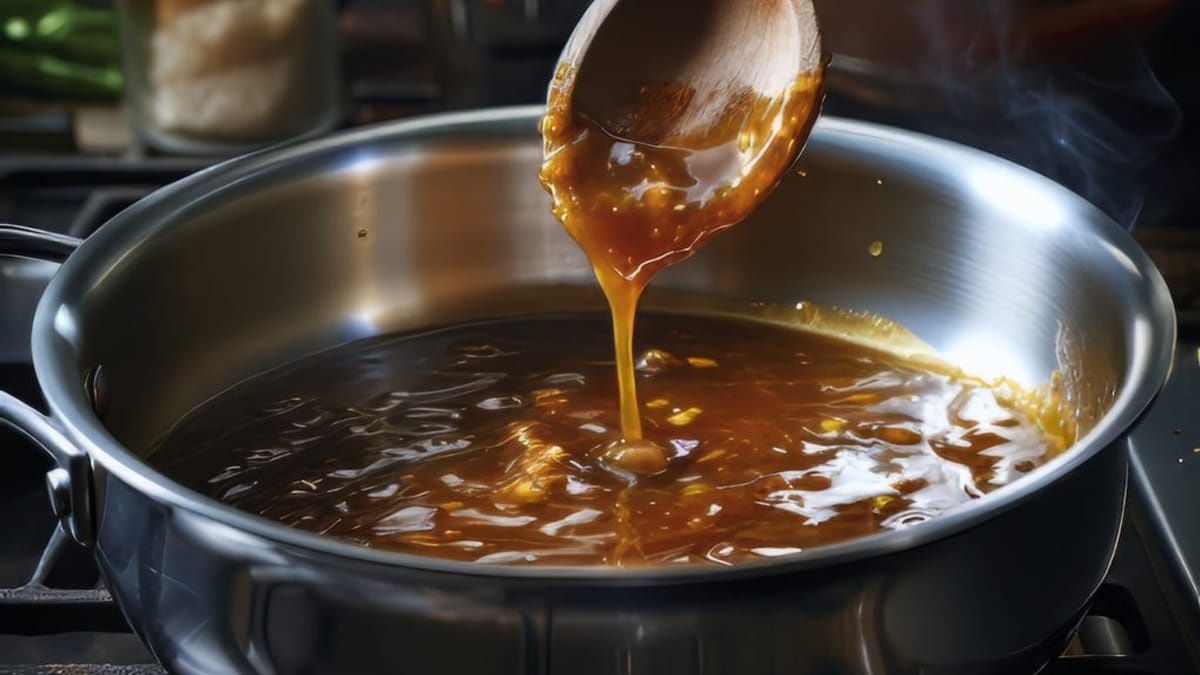
Foolproof Ways to Make Sauces Every Chef Should Know
Sauces are the unsung heroes of the culinary world. They can elevate a simple dish to extraordinary heights, adding layers of flavor, texture, and complexity. Whether we’re drizzling a velvety sauce over a perfectly cooked steak or tossing a vibrant dressing into a fresh salad, sauces have the power to transform our meals. Today, we’re going to explore foolproof ways to make sauces that every chef—home cooks included—should know. Together, we’ll demystify some classics, share tips and techniques, and inspire confidence in the kitchen.
The Foundation of Sauces: Understanding the Basics
Before we dive into the recipes, let’s take a moment to understand what makes a sauce truly great. At its core, a sauce is a combination of ingredients that adds flavor, moisture, and visual appeal to a dish. There are several types of sauces, but we can categorize them into two main groups: emulsified sauces and pan sauces.
Emulsified sauces, like mayonnaise and vinaigrettes, rely on the fine dispersion of fat in liquid. These sauces often require a bit of technique, but once we get the hang of it, we can create a variety of dressings and spreads that enhance our meals.
On the other hand, pan sauces are created from the drippings left in a pan after cooking meat or vegetables. They are typically quick to prepare and add a depth of flavor that is hard to replicate. The key to both types of sauces lies in understanding balance—balancing acidity, sweetness, and seasoning.
Classic Emulsified Sauces: Mastering the Technique
Let’s start with one of the most versatile emulsified sauces: vinaigrette. This simple dressing can transform salads, drizzle over roasted vegetables, or even serve as a marinade. The beauty of vinaigrette lies in its adaptability.
To create a basic vinaigrette, we need three parts oil to one part acid, usually vinegar or citrus juice. Begin by whisking together the acid and any flavorings, such as mustard, honey, or herbs. Slowly drizzle in the oil while whisking vigorously. This process helps to emulsify the mixture, creating a smooth, cohesive dressing.
If whisking isn't our style, we can use a jar with a tight-fitting lid. Just add all the ingredients, secure the lid, and shake until combined. This method is not only easy but also allows us to experiment with flavors. Consider adding garlic, shallots, or even a splash of fruit juice for an exciting twist.
Another classic emulsified sauce that we should master is hollandaise. This rich, buttery sauce is perfect for eggs Benedict or drizzled over vegetables. While it may seem intimidating, with a few tips, we can make this sauce with confidence.
Start by whisking egg yolks and a splash of water in a heatproof bowl over simmering water, creating a double boiler. The gentle heat will cook the yolks without scrambling them. Gradually add melted butter while whisking continuously until the sauce thickens and becomes creamy. If the sauce is too thick, we can whisk in a little warm water to achieve the desired consistency. A squeeze of lemon juice at the end will brighten the flavors.
Pan Sauces: Quick and Flavorful
Now that we’ve tackled emulsified sauces, let’s shift our focus to pan sauces. These sauces are straightforward and can be made in the same pan we used to cook our protein, making cleanup a breeze.
Imagine we’ve just finished sautéing chicken breasts. Once they’re cooked, we remove them from the pan and set them aside to rest. In the remaining drippings, we can add a splash of wine or broth to deglaze the pan, scraping up any flavorful bits stuck to the bottom. This step is essential as it builds the base of our sauce.
Next, we can add aromatics like minced garlic, shallots, or herbs, allowing them to soften and release their flavors. Then, we’ll stir in cream or butter for richness, letting the sauce simmer until it thickens slightly. Adjusting the seasoning with salt and pepper is crucial at this stage. A squeeze of lemon juice or a splash of vinegar can also add brightness to the sauce, balancing the richness.
One of my favorite pan sauces is a mushroom cream sauce. After cooking the meat, we can add sliced mushrooms and let them sauté until golden brown. Then, deglaze with white wine, followed by heavy cream, and let it simmer until it coats the back of a spoon. This sauce is perfect for topping pasta or grilled meats.
The Versatility of Sauces: Exploring Variations
Now that we’ve covered the essentials, let’s explore how we can adapt these basic sauces to create something unique. The beauty of sauces is that they are a canvas for our creativity.
Consider a salsa verde, a vibrant herb-based sauce that can complement grilled meats or fish. Instead of sticking to the traditional parsley base, we can mix it up with fresh cilantro, mint, or even arugula. Adding capers or olives introduces a salty punch, while a splash of vinegar or lemon juice brightens the flavors.
For a sweeter option, we can create a fruit-based sauce. Imagine reducing fresh berries with a bit of sugar and lemon juice until they break down into a luscious sauce. This can be a delightful topping for desserts or even drizzled over savory dishes like grilled pork.
Tips for Perfect Sauces Every Time
As we embark on our sauce-making journey, let’s keep in mind a few tips that will help us achieve success every time.
First, always taste as we go. This simple act ensures that we can adjust flavors to our liking. If a sauce is too salty, a splash of acid can help balance it out. Conversely, if it lacks depth, a pinch of salt or a touch of sweetness can enhance the flavor profile.
Next, pay attention to the temperature. For emulsified sauces, the ingredients should be at room temperature to ensure they combine smoothly. For pan sauces, remember that the residual heat from the pan will help thicken the sauce, so we don’t need to overcook it.
Lastly, don’t be afraid to experiment. Cooking is an art, and sauces are a fantastic way to express our creativity. Whether we’re swapping herbs, adjusting acidity, or adding a dash of spice, every tweak can lead to a new favorite.
Putting It All Together
Now that we’ve explored various sauces and the techniques behind them, let’s put our newfound knowledge to the test. Picture a weeknight dinner where we serve seared salmon with a lemon-dill sauce, a fresh green salad dressed in a zesty vinaigrette, and roasted vegetables drizzled with balsamic reduction. Each sauce enhances the dish, showcasing our skills as home cooks.
As we practice these techniques, we’ll find that making sauces becomes second nature. They’ll no longer feel daunting, but rather an exciting opportunity to elevate our meals and impress our family or guests.
By mastering a few foundational sauces, we can create a repertoire that allows us to explore different cuisines and flavors. The culinary world opens up, and we can confidently add our personal touch to every dish.
So, let’s roll up our sleeves, gather our ingredients, and embrace the art of sauce-making. With practice and a dash of creativity, we’ll soon find that we can elevate any meal with a delicious sauce that speaks to our culinary passion. Happy cooking!