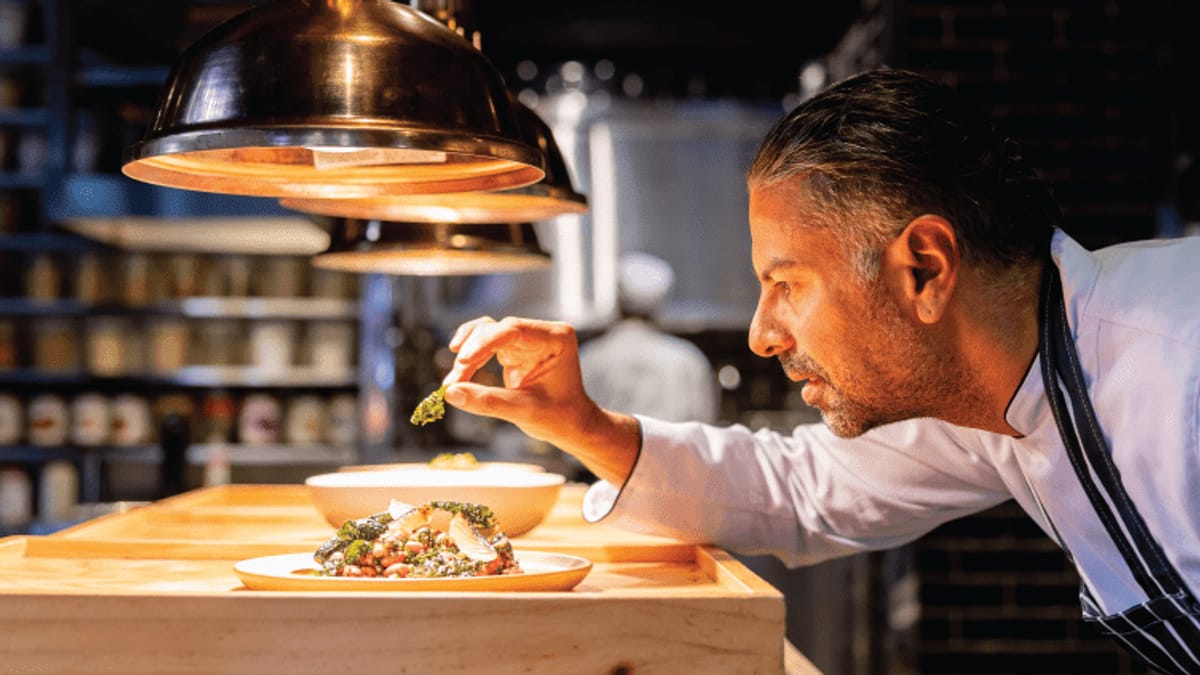
Food Plating Techniques That Will Wow Your Guests
When we think about dining, we often consider the taste of the food as the most important aspect. However, what if we told you that how a dish is presented can elevate the entire experience? Food plating is truly an art form that can turn a simple meal into a culinary masterpiece. If we want to impress our guests or simply enjoy our dishes more ourselves, understanding some fundamental plating techniques can make all the difference.
In this blog post, we’ll explore a variety of food plating techniques that will not only wow our guests but also make the cooking process even more enjoyable. We’ll break down essential concepts, share practical tips, and inspire our creativity in the kitchen.
Understanding the Basics of Plating
Before diving into specific techniques, let’s take a moment to understand why plating matters. The way food is arranged on a plate can affect our perception of taste, aroma, and overall satisfaction. A well-plated dish invites us to dig in and savor every bite, while a haphazardly arranged meal can make even the most delicious food seem unappetizing.
When we plate our dishes, we want to consider several key elements: color, texture, height, and balance. Each of these aspects plays a crucial role in creating a visually appealing presentation.
Color: The Visual Palette
Let’s start with color. Just like an artist chooses colors for a painting, we can select ingredients that create a vibrant visual palette on our plates. Using a variety of colors can make our dishes more inviting.
For example, if we’re preparing a vegetable stir-fry, we might include bright red bell peppers, deep green broccoli, and sunny yellow carrots. Not only will these colors pop against each other, but they also signal to our guests that the dish is fresh and nutritious.
We can also think about using garnishes that add a splash of color. Fresh herbs, edible flowers, or a drizzle of sauce can transform a plate from average to extraordinary. Just remember, moderation is key. A well-placed garnish can enhance the dish, but too much can overwhelm it.
Texture: The Sensory Experience
Next, let’s talk about texture. A beautiful dish should have a variety of textures to create interest. We can combine crispy, creamy, and tender elements to provide a delightful sensory experience.
Imagine plating a piece of grilled salmon with a creamy lemon-dill sauce. We could add a side of roasted asparagus for a crisp contrast, and perhaps a fluffy quinoa pilaf dotted with toasted nuts. This interplay between textures not only makes the dish visually appealing but also tantalizes our taste buds.
To enhance texture, we can also consider the way we cut our ingredients. For instance, julienned vegetables can provide a different mouthfeel compared to larger chunks. The way we prepare and arrange our food can contribute immensely to the overall dining experience.
Height: Adding Dimension
Height is an essential component of plating that many home cooks overlook. By adding height to our presentations, we can create a more dynamic look. Stacking or layering elements can draw the eye upward, making the dish feel more extravagant.
One way to achieve height is by using a ring mold. We can layer ingredients like grains, proteins, and vegetables, creating a beautiful tower. For instance, imagine a layered salad with colorful ingredients, where we stack arugula, cherry tomatoes, feta cheese, and grilled chicken, all held together in a neat mold. When we remove the mold, we’re left with a stunning vertical presentation.
Another technique is to create a base of puree or sauce on the plate and then place our main ingredient on top. This method adds dimension and highlights the main component of our dish, making it the star of the show.
Balance: Harmonizing the Elements
Balance is crucial in both flavor and presentation. When we plate our food, we want to ensure that each element of the dish complements the others, both in taste and appearance. A well-balanced plate will appear harmonious and inviting.
To achieve balance, we can think about the arrangement of colors and textures. For example, if we have a heavy, rich sauce, we might want to balance it with lighter components, such as sautéed greens or a refreshing salad. Visually, we can arrange the plate so that no one area feels too heavy or cluttered.
We can also consider the rule of thirds, a concept borrowed from photography. By dividing the plate into three sections, we can place our main protein in one section, a side in another, and perhaps a small garnish or sauce in the last. This creates a pleasing composition that keeps the eye moving across the plate.
The Power of Negative Space
Negative space refers to the empty space on a plate that surrounds our food. It’s an essential aspect of plating that is often overlooked. By intentionally leaving space, we allow our food to stand out, making the presentation feel less cluttered and more refined.
When plating, we can think about how much empty space we want to include. A small dollop of sauce with ample space around it can create an elegant feel. Conversely, a crowded plate can feel overwhelming. Experimenting with negative space can help us find the right balance for each dish.
Creative Garnishing Techniques
Garnishes are the cherry on top of our plating efforts, but they are much more than just a decorative touch. A well-chosen garnish can enhance the dish’s flavors and textures, making it more enjoyable. We can use fresh herbs, citrus zest, or even a sprinkle of spice to add that finishing touch.
One fun technique we can experiment with is using microgreens. These tiny, flavorful greens can provide both a pop of color and a fresh taste. Plating a piece of beef or fish with a small mound of microgreens not only looks stunning but also adds an herbaceous note that complements the protein.
Another option is to create edible flowers or vegetable chips. These unique garnishes can add a whimsical touch to our plates. Imagine a vibrant salad topped with delicate pansies or crispy beet chips. Not only does it look beautiful, but it also invites curiosity from our guests.
Practice, Experiment, and Have Fun
Plating is a skill that we can develop over time, and practice is essential. We might not always get it right on the first try, and that’s perfectly okay! The key is to experiment with different techniques, styles, and ingredients to discover what resonates with us.
When we plate our meals, let’s not forget to have fun with it. Cooking is a creative outlet, and plating is an extension of that creativity. We can channel our inner artist and let our imaginations run wild, trying out unconventional combinations or whimsical presentations.
Plating for Different Occasions
Finally, it’s essential to consider the context and occasion when plating our dishes. A casual weeknight dinner may not require the same level of artistry as a formal dinner party. However, we can still apply the principles of plating regardless of the setting.
For a family meal, we might focus on a relaxed, homey presentation, perhaps serving food family-style on large platters. For a special occasion, we can take our time to plate each dish artfully, creating a more formal dining experience.
When we host guests, think about the theme of the meal and how the plating can enhance that atmosphere. For instance, if we’re having a Mediterranean-themed dinner, we might use rustic plates and garnish with olives or herbs to create a cohesive experience.
Bringing It All Together
Food plating is more than just an aesthetic choice; it’s a way to express our culinary creativity and elevate our dining experiences. By understanding the fundamentals of color, texture, height, balance, negative space, and garnishing, we can transform our meals into visually stunning presentations that will impress our guests and enhance our enjoyment of food.
As we embark on this journey of mastering food plating techniques, let’s remember that the most important aspect is to have fun and enjoy the process. Each plate we create is an opportunity to showcase our love for cooking and share that passion with those around us. So, let’s roll up our sleeves, put on our aprons, and get ready to wow our guests with our newly acquired plating skills!