Exploring Mushrooms: From Button to Shiitake
Mushrooms are a culinary treasure, often overlooked in the vast world of ingredients. Their diverse textures and flavors can elevate a dish, providing depth and richness that few other foods can match. Whether we're sautéing button mushrooms for a simple pasta dish or exploring the earthy tones of shiitake in a hearty stir-fry, mushrooms offer endless possibilities in the kitchen. Let us embark on this delightful journey through the world of mushrooms, from the familiar button to the exotic shiitake, and discover how to make the most of these versatile fungi.
The Basics of Mushrooms
Before we dive into the specific types of mushrooms, it's important to understand what mushrooms are and why they hold a prominent place in our kitchens. Technically, mushrooms are the fruiting bodies of fungi, much like how apples are the fruits of a tree. They grow in various environments, from forests to fields, and each type has its own unique flavor, texture, and cooking properties.
Mushrooms are low in calories and rich in nutrients, making them a great addition to our meals. They contain antioxidants, vitamins, and minerals, including B vitamins, selenium, and potassium. Plus, their umami flavor—a savory taste often described as the fifth basic taste—makes them a favorite among home cooks and professional chefs alike.
The Many Faces of Mushrooms
When we think of mushrooms, the first one that often comes to mind is the button mushroom. But there’s a whole world of mushrooms out there, each with its distinct character. Let’s explore some of the most common varieties we can find at our local grocery store or farmers’ market.
Button Mushrooms
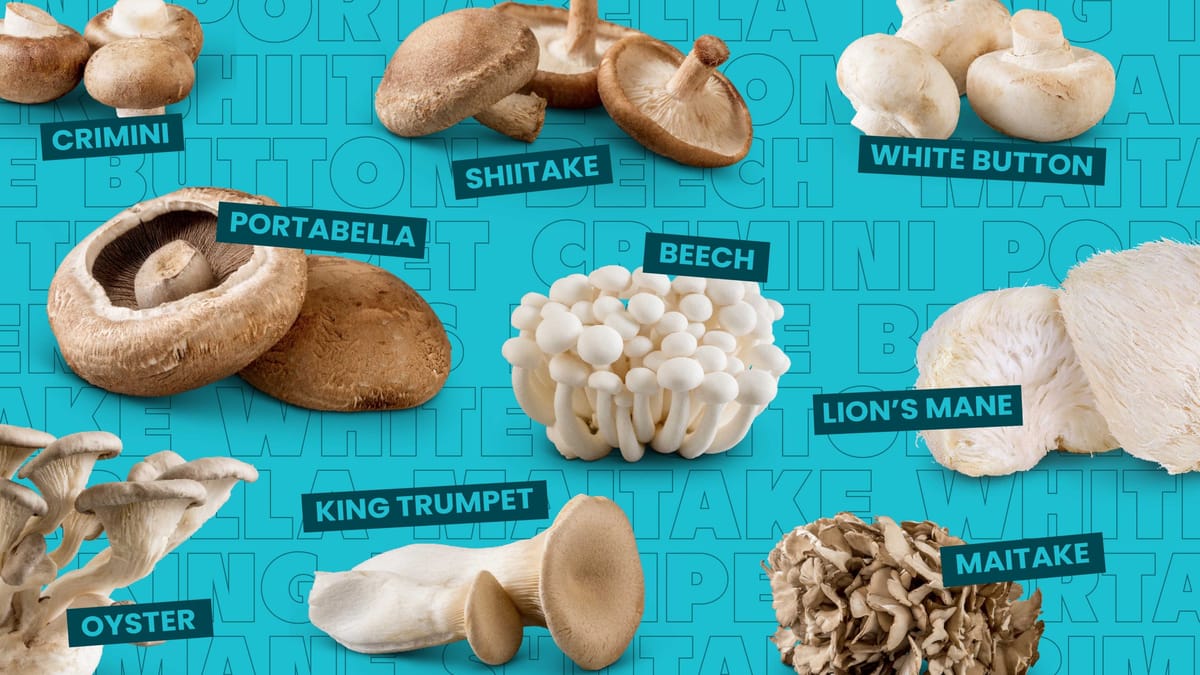
These are the most common type of mushroom, found in nearly every kitchen. Button mushrooms are small, round, and typically white or cream in color. Their mild flavor makes them incredibly versatile; we can use them in salads, soups, stir-fries, or even as a pizza topping.
To prepare button mushrooms, it’s best to wipe them clean with a damp cloth instead of rinsing them under water. They’re like little sponges and will absorb moisture, which can make them soggy when cooked. Simply trim the stems and slice or chop them as desired.
Cremini Mushrooms
Also known as baby bella or Italian brown mushrooms, cremini mushrooms are essentially the mature version of button mushrooms. They have a firmer texture and a deeper, more robust flavor. We can use cremini mushrooms in dishes that require a bit more depth, such as hearty stews or rich sauces.
When cooking with cremini mushrooms, we should treat them similarly to button mushrooms, but we may want to sauté them a bit longer to bring out their full flavor. They work wonderfully in risottos or as a base for stuffed mushrooms.
Portobello Mushrooms
Portobello mushrooms are the big, meaty cousins of button and cremini mushrooms. Their large caps and robust flavor make them an excellent substitute for meat in burgers or grilled dishes. When we grill or roast portobello mushrooms, they develop a satisfying texture and a smoky, savory taste.
To prepare portobello mushrooms, we should remove the gills, which can be quite dark and may bleed into dishes. A simple brush of olive oil, a sprinkle of salt, and a touch of garlic can turn these mushrooms into a star dish on their own or as a flavorful addition to salads or sandwiches.
Shiitake Mushrooms
Shiitake mushrooms are a staple in Asian cuisine, known for their rich, earthy flavor and unique texture. They have a firm, meaty cap and are often used in stir-fries, soups, and sauces. Fresh shiitake mushrooms are delightful, but dried shiitake mushrooms are also widely available and can offer concentrated flavor.
When using fresh shiitake mushrooms, we should remove the stems as they can be tough. The caps can be sliced or left whole depending on our recipe. If we’re using dried shiitake mushrooms, it’s essential to soak them in warm water for about 20 minutes before cooking, which rehydrates them and enhances their flavor.
Oyster Mushrooms
Oyster mushrooms are easily recognizable by their fan-shaped caps and delicate texture. They come in various colors, including white, yellow, and pink. Their mild flavor is slightly sweet, making them perfect for sautéing or adding to creamy dishes.
To clean oyster mushrooms, we should gently wipe them with a damp cloth and trim any tough ends. Their unique shape makes them ideal for adding visual interest to our dishes. We can toss them into stir-fries or use them in pasta for an elegant touch.
Cooking Techniques for Mushrooms
Now that we've explored some of the most popular types of mushrooms, let’s discuss some practical cooking techniques that will help us make the most of these delightful fungi.
Sautéing
Sautéing is one of the simplest and most effective ways to cook mushrooms. Heat a pan over medium-high heat, add a splash of oil or a pat of butter, and once it's hot, toss in the mushrooms. We should avoid overcrowding the pan, as this can cause them to steam rather than sauté. Instead, cook them in batches if necessary. The goal is to achieve a beautiful golden-brown color while retaining their flavor and texture.
Roasting
Roasting mushrooms enhances their natural sweetness and creates a lovely caramelization. We can toss them with olive oil, salt, and any preferred seasonings before spreading them out on a baking sheet. Roasting at a high temperature allows the moisture to evaporate, intensifying the flavor. We often enjoy roasted mushrooms as a side dish or mixed into grain bowls.
Grilling
Grilling mushrooms adds a smoky flavor that can elevate any dish. For larger varieties like portobello, we can marinate them beforehand to infuse even more flavor. Popping smaller mushrooms on skewers makes them easy to handle on the grill. We can grill them until they're tender and have nice char marks, which brings out their natural umami flavor.
Braising
Braising mushrooms is a fantastic way to infuse them with flavor. We can start by sautéing them in a bit of oil, then add liquid—whether it’s broth, wine, or even a splash of soy sauce—and cover the pan. This method allows the mushrooms to absorb the flavors while becoming tender. Braised mushrooms can be served as a side dish or incorporated into stews and sauces.
Pairing Mushrooms with Other Ingredients
Mushrooms are incredibly versatile and can pair beautifully with a wide range of ingredients. Here are some classic combinations to inspire our next culinary adventure.
Herbs are a natural companion to mushrooms. Fresh herbs like thyme, rosemary, or parsley can elevate their flavor profile. A sprinkle of fresh herbs at the end of cooking adds brightness and freshness.
Cheeses also work well with mushrooms, especially richer varieties like goat cheese or parmesan. A sprinkle of cheese over sautéed mushrooms can create a delicious topping for bruschetta or pasta.
When it comes to grains, mushrooms can add depth to risottos or grain bowls. Mixing sautéed mushrooms into quinoa or farro adds a hearty element that makes the dish more satisfying.
Finally, proteins like chicken, beef, or even tofu can be enhanced with the addition of mushrooms. A simple mushroom sauce can take a plain grilled chicken breast to new heights, while mushrooms in a stir-fry can provide a satisfying texture alongside tofu.
Storing and Preserving Mushrooms
To enjoy the freshest mushrooms, we should store them properly. Ideally, mushrooms should be kept in a paper bag in the refrigerator. The paper allows them to breathe while preventing excess moisture, which can lead to spoilage. It’s best to consume fresh mushrooms within a week of purchase for optimal flavor and texture.
If we find ourselves with an abundance of mushrooms, we can also consider preserving them. Sautéing and then freezing mushrooms allows us to enjoy their flavor later on. Dried mushrooms are another option; they can be rehydrated and used in various dishes, providing us with a taste of nature even in the off-season.
Embracing the Mushroom Adventure
Exploring mushrooms opens up a world of culinary possibilities. From the humble button to the exotic shiitake, each variety brings its own unique flavor and texture to our plates. By experimenting with different cooking methods and flavor pairings, we can create delicious dishes that celebrate these remarkable fungi.
As we venture into our kitchens, let’s remember to embrace the earthy, rich flavors that mushrooms offer. They are not just an afterthought but a star ingredient that deserves to shine. So whether we’re whipping up a creamy mushroom risotto, grilling portobello burgers, or adding a sprinkle of sautéed shiitakes to our favorite stir-fry, let’s enjoy the journey of cooking with mushrooms. Happy cooking!