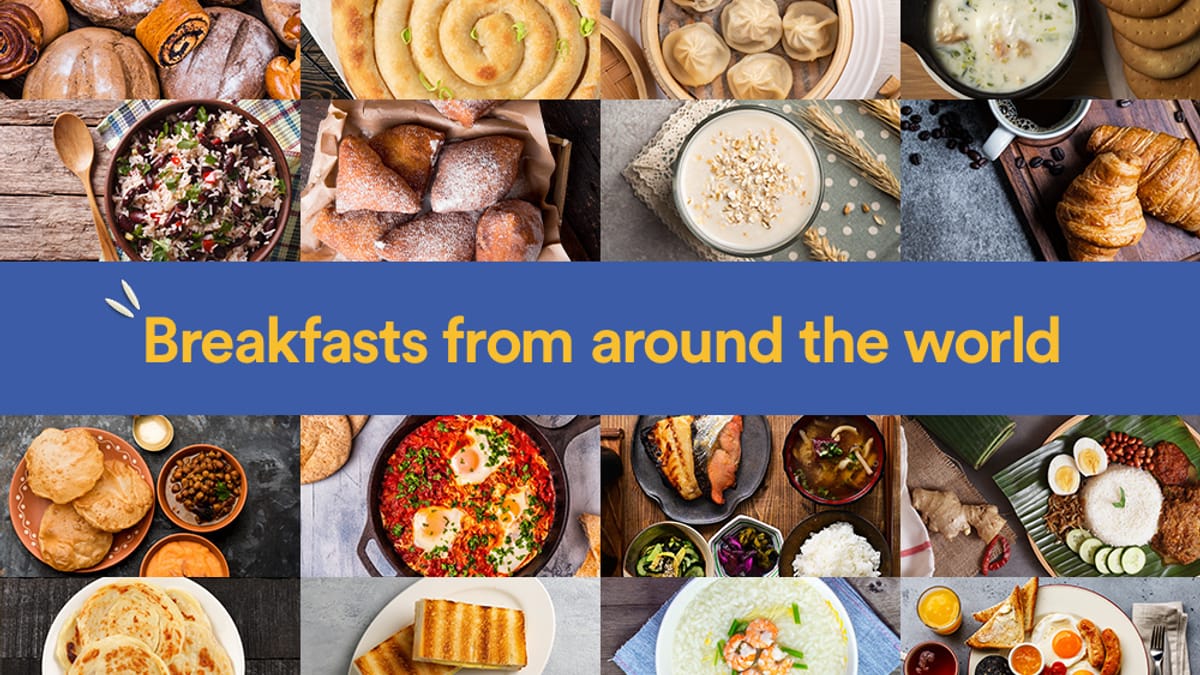
Exploring Global Breakfast Traditions
When we think about breakfast, we often picture a plate of scrambled eggs, toast, or maybe a bowl of cereal. However, breakfast is a meal that takes on many forms around the world, each reflecting the unique culture and culinary traditions of its region. As we explore global breakfast traditions, we’ll discover an exciting array of flavors, textures, and cooking techniques that might inspire us to step outside our morning routine and try something new.
The Importance of Breakfast Around the World
Breakfast is often referred to as the most important meal of the day, and for good reason. It breaks the overnight fast and provides us with the energy we need to kickstart our day. However, what constitutes a hearty breakfast varies dramatically from one culture to another.
In many cultures, breakfast is a time for family and community. It's a moment to gather around the table, share stories, and enjoy food together. In others, breakfast may be a quick, on-the-go option, designed for busy lifestyles. Regardless of the form it takes, breakfast is an essential part of our daily routine, making it a perfect topic to explore.
European Breakfast Traditions
Let’s start our journey in Europe, where breakfast traditions are as diverse as the countries themselves.
In France, breakfast, or petit déjeuner, is typically a simple affair. A classic French breakfast often includes a fresh croissant or a slice of baguette served with butter and jam, accompanied by a café au lait. The French take their time to savor their breakfast, often enjoying it leisurely at a café. If we want to bring a touch of France to our morning, we can try our hand at baking croissants or even just pick up some good-quality pastries from a local bakery to savor at home.
In Italy, breakfast, or colazione, is often sweet, featuring items like brioche or cornetto paired with a strong espresso. The emphasis is on simplicity and quality ingredients. To recreate this experience at home, we can whip up a quick espresso or cappuccino, and pair it with a sweet pastry. It’s a delightful way to start the day, and we might even feel inspired to incorporate Italian flavors into our morning routine.
Traveling to the East
As we move eastward, we encounter a different approach to breakfast. In Japan, a traditional breakfast is quite hearty and features steamed rice, miso soup, grilled fish, and various pickled vegetables. This meal is not only nutritious but also beautifully presented. If we’re feeling adventurous, we can experiment with making miso soup at home, which is surprisingly easy. A simple combination of miso paste, dashi (a type of broth), and tofu can create a comforting bowl that warms us up in the morning.
In India, breakfast varies widely across regions. In the south, dishes like dosa (a fermented crepe made from rice batter) and idli (steamed rice cakes) are popular. These dishes are often served with coconut chutney and sambar (a lentil-based stew). If we want to try making dosa, we can start by soaking rice and urad dal (black gram) overnight, then blending them to create a batter. It may take a bit of practice to get the texture just right, but the effort is well worth it for a taste of South Indian cuisine.
The Heart of Africa
In Africa, breakfast can be as varied as the continent itself. In Ethiopia, for example, we might enjoy injera, a sourdough flatbread, served with a variety of stews known as wot. The communal aspect of sharing food is central to Ethiopian culture, making breakfast a social affair. If we’re keen to try making injera, we can begin by fermenting a mixture of teff flour and water for a few days, which will give it that unique tangy flavor.
In West Africa, akara (bean fritters) is a popular breakfast dish. Made from black-eyed peas, these fritters are deep-fried until golden and crispy. They are often served with a spicy pepper sauce. Making akara at home can be a fun weekend project, and the aroma of frying beans filled with spices will surely awaken the senses.
Embracing the Americas
As we hop across the Atlantic to North America, breakfast often means pancakes or waffles. In the United States, fluffy pancakes topped with syrup are a classic breakfast staple. But if we dive deeper into American breakfast traditions, we find dishes influenced by immigrant cultures. For example, in the southern U.S., we might find a hearty breakfast of grits, biscuits, and gravy, while in the southwestern regions, chilaquiles (fried tortilla pieces topped with sauce and cheese) are a popular choice.
To bring a southern twist to our breakfast, we can try making homemade biscuits. With just a few ingredients—flour, butter, milk, and a leavening agent—we can craft flaky, buttery biscuits that pair beautifully with jam or gravy.
A Taste of Latin America
In Latin America, breakfast can be robust and varied. In Mexico, breakfast might include chilaquiles or huevos rancheros, both featuring corn tortillas, eggs, and a zesty salsa. The combination of flavors and textures makes for a delightful start to the day. If we want to recreate huevos rancheros, we can layer fried tortillas with refried beans, topped with eggs and salsa, creating a colorful and satisfying dish.
Further south, in Brazil, we might enjoy pão de queijo, small cheese breads that are crispy on the outside and chewy on the inside. These little bites are gluten-free and can be made with tapioca flour, making them a perfect treat for various dietary needs. Making pão de queijo is a delightful experience, and the smell of cheese baking in the oven is simply irresistible.
Breakfast Around the World
As we’ve seen, breakfast varies widely across the globe. Each culture brings its own ingredients, flavors, and customs to the table.
When we think about how to integrate these global influences into our own breakfast routines, it’s essential to remember that cooking is about creativity and experimentation. We can start small by trying out one new recipe a week or even incorporating a single ingredient from another culture into our morning meals. Whether it's adding spices to our oatmeal or experimenting with new bread recipes, the key is to have fun and enjoy the process.
Cooking is not just about following a recipe; it’s about making connections, exploring flavors, and sharing experiences with loved ones. So, as we venture into our kitchens, let’s embrace the spirit of global breakfast traditions, using them as a source of inspiration to enrich our own culinary practices.
The world of breakfast is a vast and exciting one, filled with opportunities to learn and discover new tastes. So let’s grab our aprons, gather our ingredients, and embark on this delicious journey together. Who knows? Our next favorite breakfast might be hiding in a far-off country, waiting for us to bring it to our table.