Emulsions Explained: The Secret to Creamy Dressings and Sauces
Emulsions Explained: The Secret to Creamy Dressings and Sauces
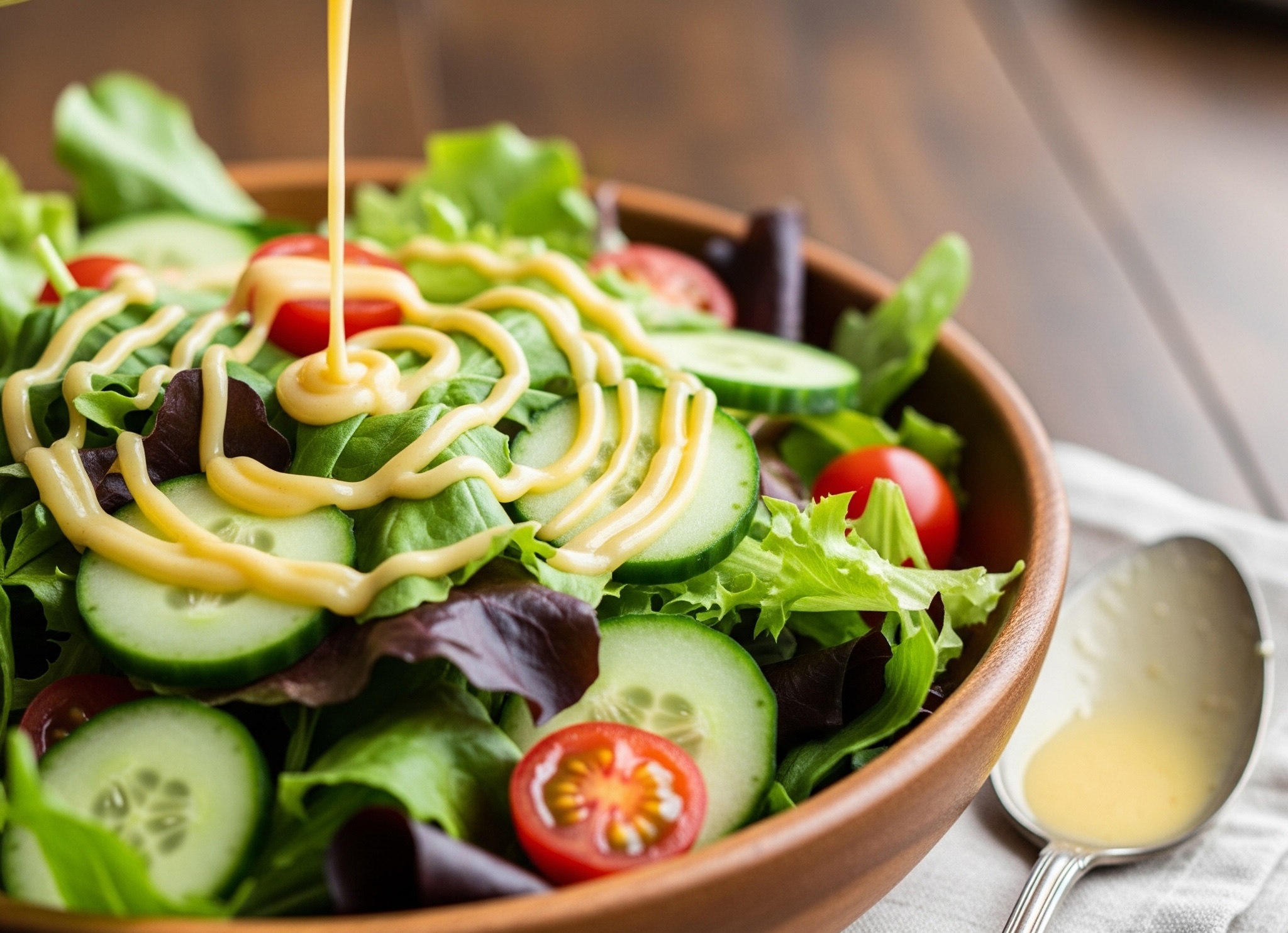
Cooking is as much science as it is art, and one of the most fascinating scientific processes in the kitchen is emulsification. Whether you're drizzling a rich vinaigrette over a fresh salad or crafting a luxurious homemade mayonnaise, understanding emulsions can elevate your culinary skills and enhance the flavors of your dishes. In this post, we'll break down what emulsions are, how they work, and provide you with practical tips and techniques for mastering this essential cooking technique.
What is an Emulsion?
An emulsion is a mixture of two liquids that typically do not mix well, such as oil and water. In culinary terms, this often refers to the blending of fat (like oil) and an aqueous phase (like vinegar or lemon juice) into a stable mix. When you create an emulsion, you’re essentially suspending tiny droplets of one liquid in the other, resulting in a creamy texture and enhanced flavor.
Types of Emulsions
- 1. Temporary Emulsions: These are unstable and separate quickly after mixing. Examples include salad dressings made with oil and vinegar. You can shake or whisk them together, but they require constant agitation to remain combined.
- 2. Stable Emulsions: These emulsions remain mixed for a longer period. Mayonnaise and hollandaise sauce are classic examples, where the emulsifying agent helps keep the mixture unified.
- 3. Permanent Emulsions: These emulsions are very stable and do not separate even when left to sit. They often require an emulsifying agent, such as egg yolk in mayonnaise.
The Science Behind Emulsification
At the heart of emulsification is an emulsifying agent. These agents contain both hydrophilic (water-attracting) and hydrophobic (water-repelling) properties, helping to bind the two phases together. Common emulsifiers include:
- • Lecithin: Found in egg yolks and soy.
- • Mustard: Adds flavor and helps stabilize emulsions.
- • Honey: Useful for dressings and sauces.
Essential Techniques for Creating Emulsions
Creating a successful emulsion doesn't have to be daunting. Here are some practical tips and techniques to help you master emulsions in your kitchen.
1. Choose the Right Ingredients
- • Fat: Use high-quality oils such as olive, canola, or avocado oil. Each oil will impart different flavors to your emulsion.
- • Aqueous Phase: Vinegars, citrus juices, and flavored liquids can add depth to your emulsions.
- • Emulsifiers: Consider using egg yolks, mustard, or even avocado for added creaminess and stability.
2. Temperature Matters
- • Room Temperature Ingredients: Using oils and other ingredients at room temperature can help create a smoother emulsion. Cold ingredients can shock the mixture, leading to separation.
- • Warm Up: For emulsions like hollandaise, gently warming the fat can help incorporate it more easily with other ingredients.
3. Whisking Techniques
- • Slow and Steady: When adding the oil to a vinegar or water base, do so slowly while vigorously whisking. This gradual incorporation helps stabilize the emulsion.
- • Blending: Use a blender or food processor for a seamless emulsion. Start on a low speed and gradually increase to help incorporate the oil little by little.
4. Troubleshooting Emulsions
Sometimes, emulsions can break. Here’s how to fix them:
| Problem | Solution |
|---|---|
| Emulsion has separated | Whisk a new yolk or a teaspoon of mustard in a bowl, then slowly incorporate the broken emulsion. |
| Emulsion is too thick | Thin it out with a little warm water or lemon juice. |
| Emulsion is too runny | Whisk in additional oil slowly until thickened to the desired consistency. |
Recipes to Practice Emulsions
Now that you understand the principles behind emulsions, let’s put them into practice with some delicious recipes!
Classic Mayonnaise
Ingredients:
- • 1 egg yolk
- • 1 tablespoon Dijon mustard
- • 1 tablespoon white wine vinegar
- • 1 cup neutral oil (like canola or grapeseed)
- • Salt to taste
- • Lemon juice (optional, for flavor)
- 1. In a bowl, whisk together the egg yolk, mustard, and vinegar until smooth.
- 2. Begin to add the oil slowly, drop by drop, while continuously whisking.
- 3. As the mixture begins to thicken, you can gradually increase the oil flow.
- 4. Once all the oil is incorporated, season with salt and lemon juice, adjusting to taste.
Balsamic Vinaigrette
Ingredients:
- • 1/4 cup balsamic vinegar
- • 3/4 cup olive oil
- • 1 teaspoon Dijon mustard
- • Salt and pepper to taste
- 1. In a bowl, whisk together the balsamic vinegar and mustard.
- 2. Slowly drizzle in the olive oil while whisking vigorously to create a stable emulsion.
- 3. Season with salt and pepper to taste.
Hollandaise Sauce
Ingredients:
- • 3 egg yolks
- • 1 tablespoon lemon juice
- • 1/2 cup unsalted butter, melted
- • Salt to taste
- 1. In a heatproof bowl, whisk together egg yolks and lemon juice.
- 2. Place the bowl over a pot of simmering water (double boiler method) and whisk until the mixture thickens.
- 3. Gradually pour in the melted butter while whisking continuously until the sauce is thick and creamy.
- 4. Season with salt to taste.
Tips for Storing Emulsions
- • Refrigeration: Most emulsions like mayonnaise and salad dressings can be stored in the refrigerator for about a week. However, always check for freshness before using.
- • Separation: If your emulsion separates during storage, simply whisk it back together before use.
Conclusion
Understanding emulsions is an essential skill for any home cook. It opens up a world of possibilities for creating creamy dressings, sauces, and spreads that enhance the flavors of your dishes. With practice and the right techniques, you'll be able to whip up stable emulsions with confidence. So grab your whisk, gather your ingredients, and start experimenting! The secret to creamy dressings and luscious sauces is now at your fingertips. Happy cooking!