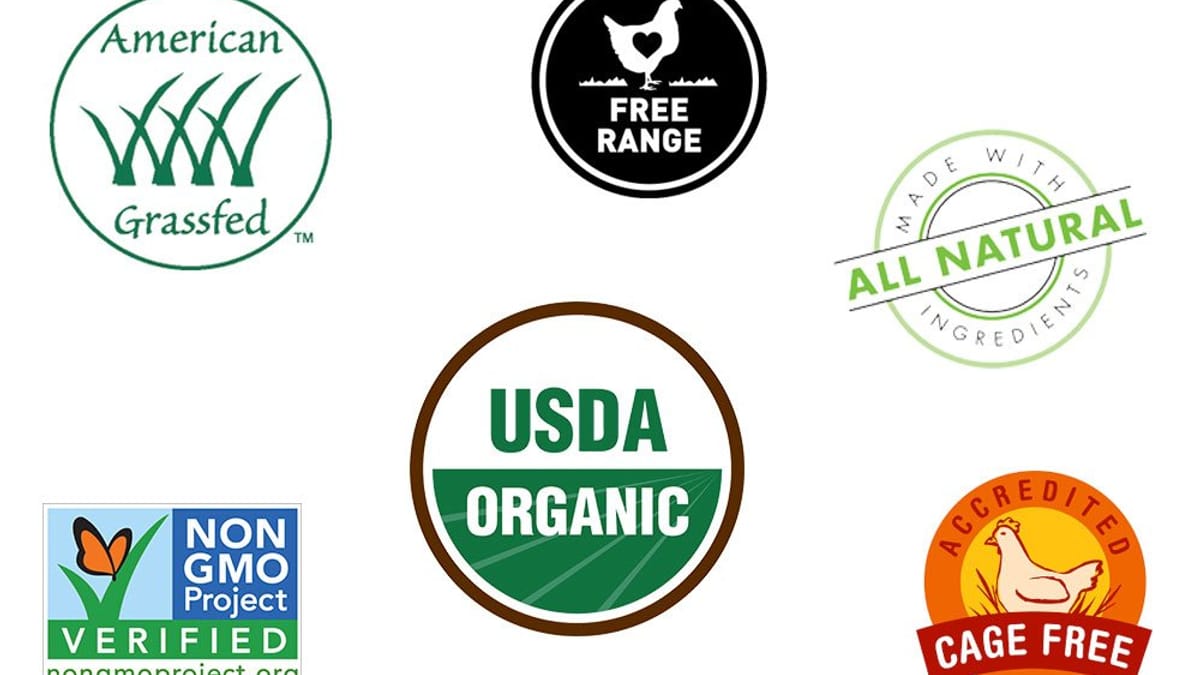
Decoding Grocery Labels: What "Organic" and "Natural" Really Mean
Decoding Grocery Labels: What "Organic" and "Natural" Really Mean
Navigating the grocery store can feel overwhelming, especially when faced with a myriad of labels boasting terms like “organic,” “natural,” and “non-GMO.” With so many choices, it’s crucial to understand what these terms really mean and how they impact your cooking and health. In this post, we’ll break down the distinctions between organic and natural foods, provide you with practical tips for shopping, and empower you to make informed choices that elevate your kitchen game.
Understanding the Basics
Before we dive into the nitty-gritty details, let’s clarify what “organic” and “natural” mean in the context of food labeling.
What is Organic?
Organic refers to the method of farming and processing food that meets specific standards set by the United States Department of Agriculture (USDA). To qualify as organic, food must be produced without the use of synthetic fertilizers, pesticides, herbicides, and genetically modified organisms (GMOs).
Key Points about Organic Certification:
- • 100% Organic: Made with 100% organic ingredients.
- • Organic: Made with at least 95% organic ingredients.
- • Made with Organic Ingredients: Contains a minimum of 70% organic ingredients.
- • Products with less than 70% organic ingredients cannot use the term “organic” on the front label.
What is Natural?
The term natural is less regulated compared to organic. In general, it suggests that the food is minimally processed and free from artificial ingredients, preservatives, and colors. However, there is no formal certification for “natural” foods, which can lead to varying interpretations.
Key Points about Natural Labeling:
- • Does not necessarily mean the product is free from pesticides or GMOs.
- • Can include products that are minimally processed but can still contain artificial ingredients.
- • The term can vary significantly between brands and products, making it essential to read ingredient lists carefully.
The Differences Between Organic and Natural
To help clarify the differences, here’s a side-by-side comparison:
| Feature | Organic | Natural |
|---|---|---|
| Regulation | Strict USDA regulations | No formal regulations |
| Farming Practices | No synthetic pesticides or fertilizers | Minimal processing, but may include additives |
| GMOs | Prohibited | No clear guidelines |
| Certification | Certified by USDA | No certification |
| Ingredient Transparency | Clear labeling requirements | Varies by brand |
Why Choosing Organic or Natural Matters
Making informed choices about your food can have a significant impact on your health, cooking, and overall well-being. Here are some reasons why you might consider choosing organic or natural products:
- 1. Health Benefits: Organic produce often has higher nutrient levels and fewer pesticide residues, while natural foods can be less processed.
- 2. Environmental Impact: Organic farming practices are typically more sustainable and better for the environment.
- 3. Flavor and Quality: Many home cooks find that organic ingredients offer superior flavor and freshness, enhancing the overall quality of their dishes.
Practical Tips for Grocery Shopping
Now that you understand the definitions and differences, let’s discuss some practical tips for shopping for organic and natural foods.
1. Read Labels Carefully
Not all labels are created equal. Always read ingredient lists and nutritional information. Look for certifications such as USDA Organic seals and avoid products with long lists of artificial additives.
2. Shop Seasonally and Locally
Buying locally grown organic produce not only supports local farmers but often results in fresher and more flavorful food. Consider joining a community-supported agriculture (CSA) program for a regular supply of seasonal organic produce.
3. Prioritize Your Purchases
If you’re on a budget, focus on purchasing organic versions of the following items, known as the "Dirty Dozen," which are often found to have higher pesticide residues:
- • Strawberries
- • Spinach
- • Kale
- • Nectarines
- • Apples
- • Grapes
- • Peaches
- • Cherries
- • Tomatoes
- • Celery
- • Potatoes
- • Avocados
- • Sweet Corn
- • Pineapples
- • Onions
- • Papayas
- • Frozen Sweet Peas
- • Asparagus
- • Eggplant
- • Kiwi
- • Cabbage
- • Cauliflower
- • Broccoli
- • Mushrooms
- • Sweet Potatoes
- • Watermelon
4. Use Apps and Resources
Leverage technology to make informed choices! Apps like “EWG’s Food Scores” can help you identify the quality of various food products based on their ingredients and processing methods.
5. Don’t Be Afraid to Ask Questions
If you’re unsure about a product, don’t hesitate to ask grocery store staff about their sourcing practices. Many stores are proud of their organic and natural offerings and can provide valuable insights.
Cooking with Organic and Natural Ingredients
Once you’ve chosen your organic or natural ingredients, let’s explore how to make the most out of them in your kitchen.
1. Focus on Freshness
Organic produce tends to have a shorter shelf life. To maximize freshness, store fruits and vegetables in the crisper drawer of your refrigerator, and use them within a week of purchase.
2. Emphasize Simplicity
When cooking with high-quality ingredients, simple recipes often yield the best results. Focus on highlighting the flavors of your organic produce. Here are a few recipe ideas:
Roasted Seasonal Vegetables
- • Ingredients: Seasonal organic vegetables (carrots, bell peppers, zucchini), olive oil, salt, pepper, and herbs.
- • Instructions:
Fresh Organic Salad
- • Ingredients: Mixed organic greens, cherry tomatoes, cucumber, avocado, and your favorite dressing.
- • Instructions:
3. Experiment with Whole Foods
Natural foods often include whole grains, legumes, and nuts that can enhance your meals. Incorporate these into your cooking:
- • Whole Grains: Use quinoa, brown rice, or farro as healthy bases for bowls.
- • Legumes: Add lentils or chickpeas to salads and soups for protein.
- • Nuts and Seeds: Top dishes with toasted nuts or seeds for added crunch and nutrition.
4. Preserve Your Ingredients
If you find yourself with an abundance of seasonal produce, consider preserving them through canning, freezing, or drying. This way, you can enjoy their flavors long after the season has passed.
Conclusion
Understanding grocery labels and the true meanings behind terms like “organic” and “natural” can significantly enhance your cooking experience. By prioritizing organic ingredients when it matters most, embracing local and seasonal produce, and reading labels carefully, you can make informed choices that benefit both your health and the environment.
Cooking with organic and natural ingredients doesn’t have to be complicated. Instead, it’s about celebrating the quality and flavor of your food. So, next time you’re at the grocery store, keep these insights in mind, and let your kitchen adventures begin with fresh, vibrant ingredients that nourish both body and soul. Happy cooking!