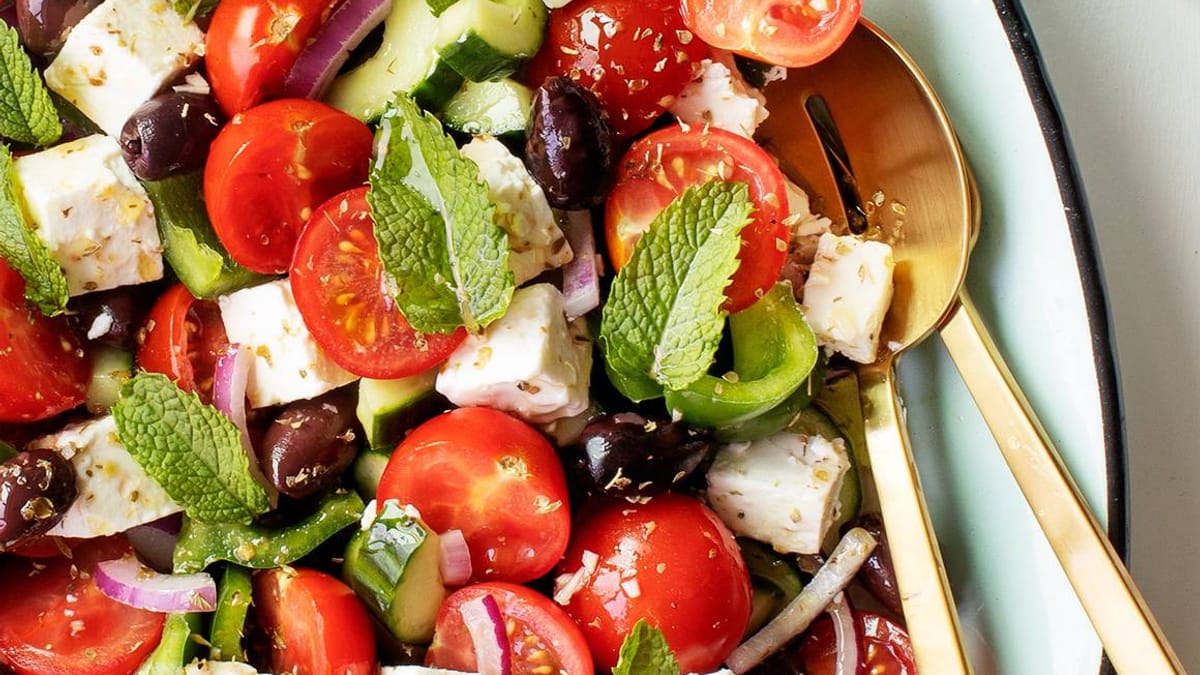
Creative Salad Combinations for Year-Round Eating
Salads often get a bad rap as being boring or mundane, but we’re here to change that perception. With a little creativity, salads can become vibrant and satisfying dishes that we crave year-round. The beauty of salads lies in their versatility; they can be light and refreshing in the summer or hearty and warming in the winter. In this post, we’ll explore a variety of creative salad combinations that will keep our plates colorful and our taste buds excited every season.
The Foundation: Greens and Grains
Let’s start by choosing our base. The foundation of any great salad typically includes greens, but we can elevate our game by incorporating grains.
When it comes to greens, we usually think of the usual suspects like romaine, spinach, or arugula. However, don’t overlook other leafy options like kale, collard greens, or even herbs like parsley and cilantro. Each green brings its own unique flavor and texture, which adds depth to our salads.
Grains, on the other hand, lend a satisfying chewiness and can make our salad a complete meal. Quinoa, farro, and barley are excellent choices. Quinoa, in particular, is a terrific option for gluten-free eaters since it’s a complete protein. When we cook grains, it’s best to follow package instructions for the right water-to-grain ratio, and adding a pinch of salt can enhance the flavor.
Seasonal Ingredients: Embracing Freshness
One of the most exciting aspects of salads is the opportunity to embrace seasonal ingredients. As the seasons change, so do the produce options available to us. We can take advantage of this by switching out ingredients to keep things fresh and interesting.
In the spring, we might find ourselves inspired by tender asparagus, sweet peas, and vibrant radishes. Pairing these with a light lemon vinaigrette can create a refreshing salad that sings of new beginnings.
Summer brings juicy tomatoes, cucumbers, and bell peppers. Imagine a salad bursting with color, featuring ripe tomatoes and creamy mozzarella, drizzled with basil pesto. It’s a delightful way to celebrate the bounty of summer.
As autumn arrives, we can incorporate heartier ingredients like roasted butternut squash, Brussels sprouts, and apples. A warm salad topped with spiced nuts and a maple vinaigrette can embody the flavors of fall beautifully.
In winter, while fresh greens may be harder to come by, we can utilize sturdy options like kale or cabbage. Tossing these with roasted root vegetables and a tahini dressing offers warmth and comfort during the colder months.
Exciting Flavor Profiles: Bold Dressings and Toppings
Once we’ve set our foundation and selected seasonal ingredients, we can explore bold flavors through dressings and toppings. A great dressing can transform a simple salad into a star dish.
We can experiment with homemade dressings to control the flavors and ingredients. A classic vinaigrette is easy to make: whisk together equal parts of vinegar and oil, then add salt, pepper, and any extras like Dijon mustard or honey. For a twist, try using flavored vinegars, such as balsamic or apple cider, to add complexity.
For a creamier option, we might blend Greek yogurt with herbs and spices for a tangy dressing or create a zesty avocado sauce. Remember that the dressing should enhance, not overpower, the salad. A good rule of thumb is to start with a small amount and add more as needed.
Toppings are another chance to get creative. Toasted nuts and seeds not only provide crunch but also healthy fats and protein. We could try sunflower seeds, walnuts, or even roasted chickpeas for a unique twist. Crumbled feta, goat cheese, or shaved parmesan can add a salty element, while fresh herbs like basil or mint can brighten up the dish.
Creative Salad Combinations for Every Season
Now, let’s dive into some specific salad combinations that are sure to inspire us throughout the year.
Spring Delight: Asparagus and Pea Salad
Imagine a salad that captures the essence of spring. We begin with tender asparagus, lightly blanched to retain its bright color and crispness. Toss in fresh peas, either blanched or raw, for a sweet crunch. Add baby spinach or arugula for a peppery note. A light lemon vinaigrette made with olive oil, lemon juice, and a touch of honey will tie everything together beautifully. Top it off with shaved Parmesan and toasted pine nuts for an extra touch.
Summer Sensation: Watermelon and Feta Salad
As the heat of summer rolls in, we crave something refreshing. A watermelon and feta salad is a perfect choice. We can cube ripe watermelon and crumble feta cheese over the top. To enhance the flavors, add fresh mint leaves and a drizzle of balsamic reduction. The sweet, salty, and refreshing combination is a summer classic that never disappoints.
Autumn Harvest: Roasted Butternut Squash Salad
With the arrival of fall, we can embrace the warmth of roasted vegetables. Start by roasting cubes of butternut squash until caramelized. Toss this with mixed greens, dried cranberries, and toasted pecans for a delightful combination of flavors and textures. A maple vinaigrette brings out the natural sweetness of the squash and cranberries, creating a cozy autumn salad.
Winter Comfort: Kale and Quinoa Salad
As winter settles in, we can turn to heartier ingredients for sustenance. A kale and quinoa salad is both nourishing and filling. Massage the kale with a bit of olive oil to break down its tough leaves and make it more palatable. Mix in cooked quinoa, shredded carrots, and sliced apples for crunch. A tahini dressing, made with tahini, lemon juice, garlic, and water, adds creaminess and depth. This salad is a bowl of comfort that warms us from the inside out.
Tips for Salad Success
To elevate our salad game, there are a few practical tips to keep in mind. First, always wash and dry our greens thoroughly. Excess moisture can dilute the dressing and make the salad soggy. Using a salad spinner can be a game-changer here.
Next, we should aim for a variety of textures. Combining crunchy ingredients, like nuts and crispy vegetables, with softer elements, such as cheese and grains, creates a more satisfying experience.
Finally, don’t shy away from experimenting. Mixing unexpected ingredients can lead to delightful surprises. Think outside the box—try adding roasted beets to a citrus salad or incorporating grilled peaches into a spinach salad. We never know what new favorite combination we might stumble upon.
Serving and Storing Salads
When it comes to serving salads, presentation matters. A well-arranged salad is a feast for the eyes. We can layer our ingredients in a large bowl or a platter, allowing the colors and textures to shine. If we’re preparing salads in advance, keep the dressing separate until serving time to maintain freshness.
For storage, we should consider the freshness of our ingredients. Greens tend to wilt quickly, so it’s best to store them in airtight containers with a paper towel to absorb excess moisture. Most salads can be kept in the refrigerator for a day or two, but again, it’s always best to dress them just before serving to keep everything crisp.
A Final Note on Creativity
As we’ve explored, salads are not just a side dish; they can be a canvas for culinary creativity. By blending seasonal ingredients, experimenting with flavors, and thinking outside the box, we can transform ordinary salads into extraordinary meals. The possibilities are endless, and we encourage you to embrace the art of salad-making year-round. So, let’s roll up our sleeves, gather our ingredients, and start creating salads that excite our palates and nourish our bodies. Happy salad-making!