Cooking with Limited Equipment: College Kitchen Survival
When we think about college life, visions of late-night study sessions, cramped dorm rooms, and instant ramen often come to mind. The reality is that many of us face the challenge of cooking with limited equipment, whether we’re in a tiny dorm kitchen or a shared apartment. However, with a little creativity and resourcefulness, we can whip up delicious meals without needing a fully stocked kitchen. Let’s explore how we can navigate this culinary adventure together.
Embracing the Limited Kitchen Space
First things first, let’s accept the reality of our kitchen situation. Often, we find ourselves working with basic appliances like a microwave, a hot plate, or even just a few pots and pans. Instead of feeling restricted, we can see this as an opportunity to hone our cooking skills and get creative. We’ve got everything we need to make satisfying meals; we just need to think outside the box.
Essential Equipment for the College Kitchen
While our equipment may be limited, a few key tools can make a significant difference. Here’s what we should consider having on hand:
- • A hot plate or a single burner
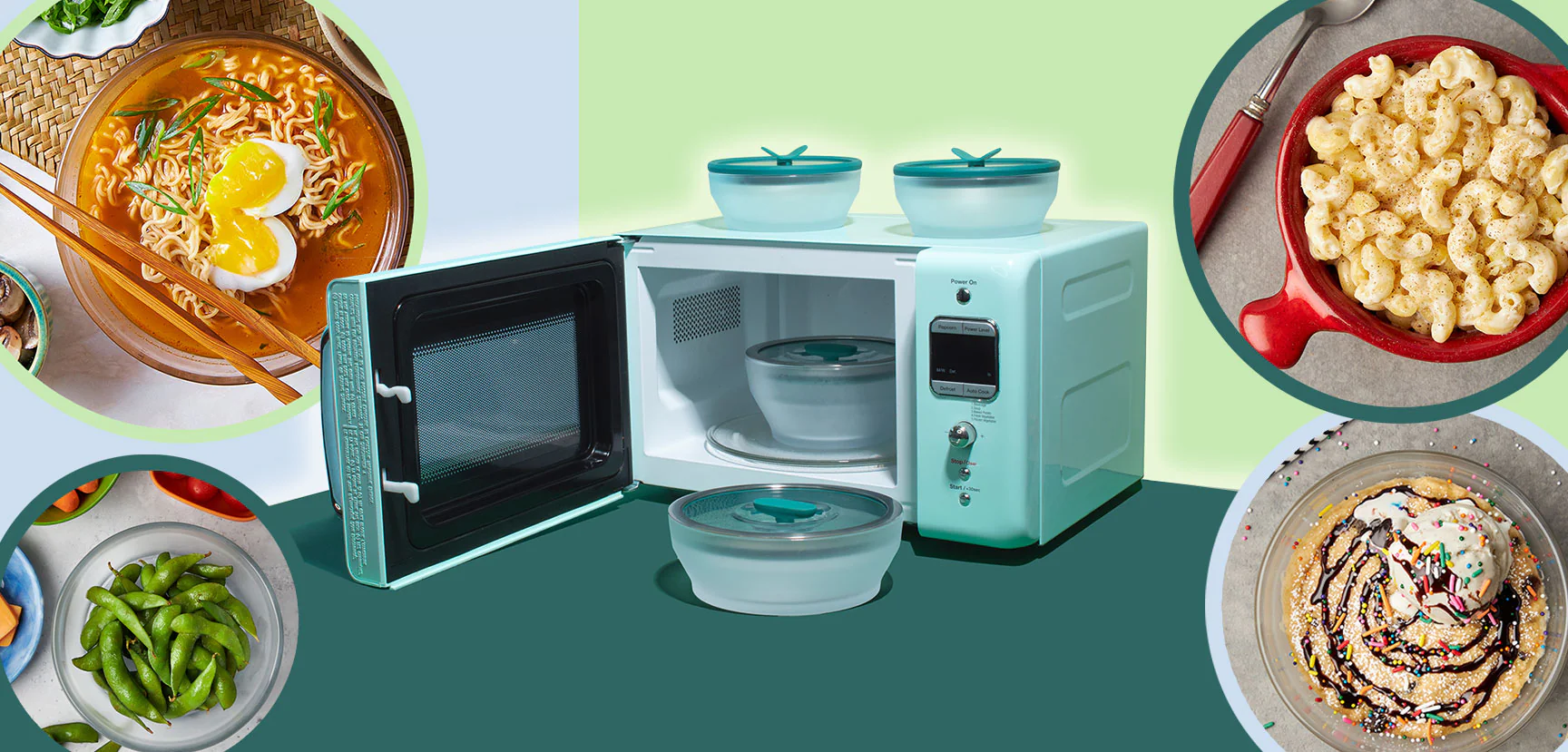
- • A microwave (the ultimate multitasker)
- • A pot and a frying pan
- • A cutting board and a sharp knife
- • Mixing bowls (these can double as serving dishes)
- • Measuring cups and spoons
- • Utensils (spatula, spoon, fork—keep it simple)
Quick Cooking Techniques
Cooking with limited equipment often means we need to embrace quick and efficient techniques. Here are some methods we can use to get the most out of our cooking space.
One-Pot Meals
One-pot meals are a lifesaver. Not only do they minimize cleanup, but they also allow for a variety of ingredients to meld together, creating delicious flavors. Think of hearty soups, stews, and pasta dishes where everything cooks together in a single pot. For instance, we can throw together some pasta with tomatoes, spinach, olive oil, and garlic. Let it simmer, and voilà—dinner is served.
Sheet Pan Dinners
If we have access to an oven, sheet pan dinners can be our best friend. Simply toss vegetables, protein, and seasoning on a baking sheet, roast it, and you have a complete meal. Imagine the aroma of seasoned chicken thighs with roasted carrots and potatoes filling your small kitchen space. It’s comforting, and the variety of flavors makes every bite satisfying.
Stir-Frying
If we’re feeling adventurous, stir-frying is a great option. A frying pan is all we need; we can quickly cook protein and vegetables over high heat with a touch of oil and soy sauce. This method is fast and allows us to use any ingredients we have on hand. Leftover veggies? Toss them in!
Meal Prep Magic
In college, time is often of the essence. That’s where meal prep comes into play. Dedicating a few hours each week to prepare meals can save us from the dreaded last-minute takeout.
We can cook grains like rice or quinoa in bulk, chop vegetables, and portion out proteins. Storing everything in the fridge means we can mix and match throughout the week. For example, we could prepare a big batch of quinoa, roast some chickpeas, and sauté a medley of vegetables. Each day, we can create a new bowl by combining these ingredients in different ways, keeping our meals exciting.
Snack Attack: Healthy Options
Not every meal needs to be elaborate. Sometimes, we just need a quick snack to fuel our study sessions. We can keep it simple with some healthy options that are easy to prepare.
Greek yogurt topped with seasonal fruits and a sprinkle of granola makes for a nutritious snack. We can also make energy bites by mixing oats, nut butter, honey, and chocolate chips, rolling them into balls, and refrigerating them. These snacks are not only satisfying but also provide a little energy boost when we need it most.
The Power of Seasoning
One of the most significant advantages we have in the kitchen is the ability to enhance flavors with spices and herbs. Even with limited ingredients, the right seasoning can elevate our dishes and make them feel gourmet.
If we have a few staples like garlic powder, paprika, cumin, and dried herbs, we can transform any dish. A little salt and pepper go a long way, too. When cooking pasta, a dash of olive oil and a sprinkle of parmesan can make it feel special. Don’t shy away from experimenting; we can always adjust our seasoning to taste as we go along.
Cooking for Friends: Making It a Social Experience
Cooking doesn’t have to be a solitary activity. Inviting friends to join us in the kitchen can turn meal prep into a fun and social experience. We can assign tasks, share recipes, or even have a themed cooking night. Imagine making tacos together, where everyone can customize their own with different toppings. Sharing the labor and the meal can create lasting memories and strengthen friendships.
Embracing Leftovers
Leftovers are a college student’s best friend. They save us time and money and can be reinvented into something new. For instance, if we make a big stir-fry, we can easily turn the leftovers into a wrap or a salad the next day. By thinking creatively, we can reduce waste and make our meals last longer.
Grocery Shopping on a Budget
We can’t talk about cooking in college without discussing grocery shopping. Budget constraints often dictate what we can buy. Focusing on versatile ingredients can help us get the most bang for our buck.
Buying staple items like rice, pasta, canned beans, and frozen vegetables can form the backbone of many meals. Seasonal fruits and vegetables are often more affordable and taste better. We should also keep an eye out for sales or discounts, as they can help us stretch our budget further.
Simple Recipes to Try
As we embark on our cooking journey, let’s incorporate a few simple recipes that can be easily executed with limited equipment. Here are a couple to get us started:
Vegetable Fried Rice: This dish is perfect for using up leftover rice and veggies. Heat a bit of oil in a frying pan, add chopped vegetables, and stir-fry until tender. Push them to the side, scramble an egg in the same pan, and then mix everything together with soy sauce.
Microwave Mug Omelet: For a quick breakfast or snack, whisk eggs with your choice of chopped veggies and cheese in a mug. Microwave for about one to two minutes until set. It’s a filling option that’s ready in no time.
Staying Inspired
Cooking in a limited space and with fewer resources can sometimes feel monotonous. To keep our culinary spirit alive, we can seek inspiration from various sources. Cookbooks, food blogs, and social media platforms like Instagram or TikTok are filled with creative ideas that can spark our imagination. We should follow accounts that resonate with our cooking style and try out new recipes that excite us.
Finding Joy in the Kitchen
Ultimately, cooking should be a joyful experience. Embracing the limitations of our college kitchen can lead to creativity and resourcefulness that we may not have discovered otherwise. It’s okay to make mistakes along the way; they often lead to our best lessons.
As we experiment and try new things, we’ll grow more confident in our abilities. With each meal we prepare, we’re not just feeding ourselves; we’re nurturing our creativity and building valuable life skills.
Let’s remember that cooking is not just about the food; it’s about the memories we create, the friendships we forge, and the joy we experience along the way. So, let’s roll up our sleeves, gather our ingredients, and make the most of our college kitchen together!