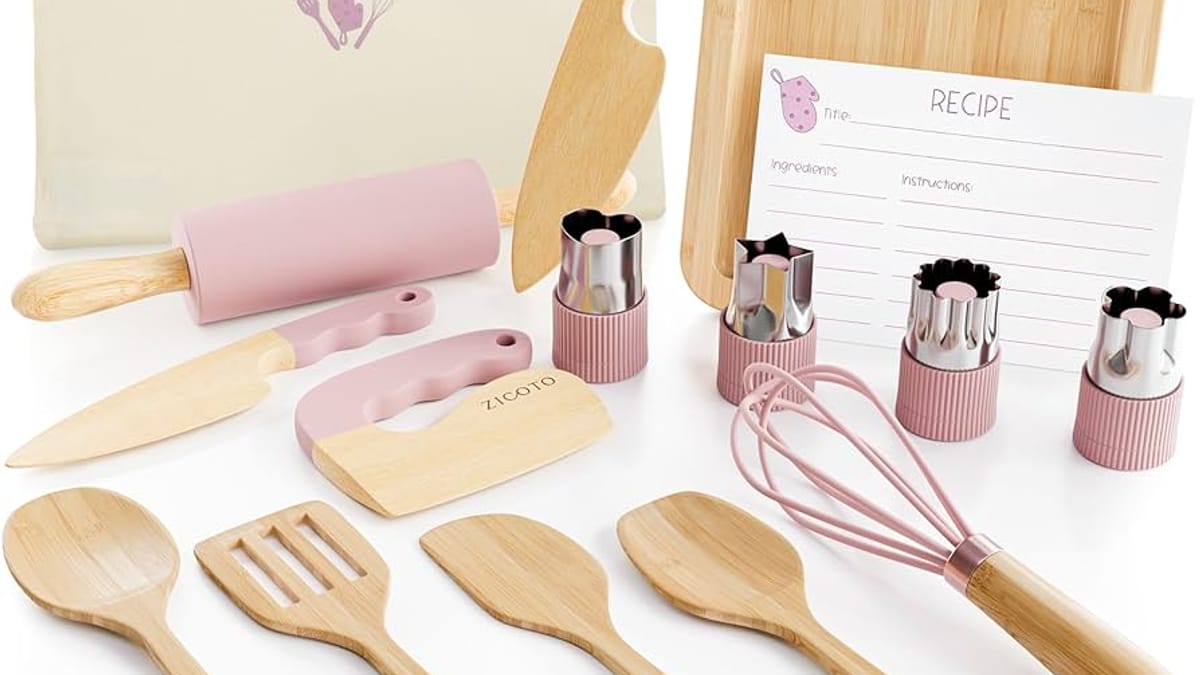
Cooking with Kids: Keeping It Fun and Safe
Cooking with kids is an adventure filled with laughter, learning, and, of course, delicious food. As parents, guardians, or simply enthusiastic adults, we often find ourselves searching for activities that engage children while teaching them valuable life skills. The kitchen offers a magical realm where creativity meets science, and where the simple act of cooking can become a bonding experience that we cherish for years to come. However, it's essential to keep safety at the forefront of our minds while ensuring that the experience remains fun and educational.
Let’s dive into the delightful world of cooking with kids, exploring how we can make it a safe, enjoyable, and productive experience.
The Benefits of Cooking with Kids
Before we get into the nuts and bolts of kitchen safety and fun, it’s worth noting why cooking with kids is such a rewarding activity. Cooking is not just about preparing meals; it’s an opportunity for children to learn various skills. From math and science to reading and fine motor skills, each step in the cooking process can be a lesson in disguise.
Moreover, cooking fosters creativity and independence. By allowing kids to create their culinary masterpieces, we encourage them to express themselves and develop confidence. Plus, it’s a great way to instill healthy eating habits early on. When children are involved in preparing their meals, they’re more likely to try new foods and appreciate the effort that goes into cooking.
Setting the Stage for a Safe Cooking Experience
Safety in the kitchen is paramount, especially when little hands are involved. We want to create an environment that is both secure and conducive to learning.
First, let’s think about our workspace. Ensuring that the kitchen is clean and organized sets a great tone. We should clear away any clutter from countertops and make sure that all utensils and ingredients are within reach. This not only minimizes the chances of accidents but also allows kids to focus on the task at hand.
Next, we need to discuss some safety rules. It’s essential to go over these with our young cooks before we begin. Simple rules like washing hands before cooking, being cautious around sharp knives and hot surfaces, and never running in the kitchen can make a significant difference. Remember, we are not just teaching them how to cook; we are also teaching them how to be responsible in the kitchen.
Age-Appropriate Tasks
One of the best ways to keep cooking fun is to assign age-appropriate tasks. Depending on their age and skill level, kids can take on different responsibilities that allow them to feel accomplished.
For toddlers, simple tasks like washing vegetables or stirring ingredients in a bowl can be both safe and engaging. As they grow older, they can progress to tasks like measuring ingredients or cracking eggs. By the time they’re school-aged, they can start handling more complex tasks such as chopping soft fruits or spreading toppings on pizza.
Engaging with children in this way not only allows them to learn but also encourages them to take pride in their work. We can celebrate their achievements, whether it's a perfectly scrambled egg or a beautifully decorated cupcake.
Recipes That Encourage Participation
The best way to keep kids excited about cooking is to choose recipes that are fun and interactive. Think of dishes that allow for creativity and personal preference.
Homemade pizzas are a fantastic choice. We can prepare the dough together, then lay out an array of toppings for kids to choose from. This way, they can design their own culinary creations, making the experience unique and tailored to their tastes.
Another option is to make tacos. Set up a taco bar with different fillings and toppings so everyone can build their own taco masterpiece. This not only encourages participation but also allows kids to explore different flavors and combinations.
Baking is another wonderful avenue for engaging kids in the kitchen. Cookies, cupcakes, and muffins give children the opportunity to measure, mix, and decorate. The best part? They get to enjoy their sweet creations afterward!
Encouraging Cleanliness and Organization
As we cook together, it’s important to instill the value of cleanliness and organization in the kitchen. Kids can learn to clean as they go, which is a great habit to develop early on. We can encourage them to put away ingredients after using them or to wipe down surfaces.
Turning cleaning into a game can make it more enjoyable. For instance, we could set a timer and see how quickly we can tidy up. This teaches children that maintaining a clean workspace is just as important as the cooking itself.
Making Cooking Educational
Cooking is a fantastic way to incorporate educational concepts into a fun activity. We can use measuring cups to teach kids about fractions, or discuss the science behind why certain ingredients react the way they do when cooked.
For example, we can explain how baking soda acts as a leavening agent in baked goods, causing them to rise. As we mix ingredients, we can talk about the different textures and flavors, encouraging kids to use descriptive language.
We can also explore cultures through food. Cooking recipes from different countries allows us to discuss traditions and customs, broadening their horizons while making mealtime a global experience.
Troubleshooting Common Kitchen Mishaps
Let’s be honest—cooking with kids can lead to some mishaps. Spills are inevitable, ingredients might get mixed up, and sometimes things just don't turn out as planned. Instead of seeing these as failures, we can view them as learning opportunities.
If a recipe doesn't rise, we can explore what went wrong together. Teaching kids to troubleshoot will help them become more resilient and adaptable in the kitchen.
Encouraging a positive mindset when things don’t go as expected is crucial. We might even find it helpful to have a “kitchen journal” where we can document recipes, successes, and lessons learned. This can be a fun way to reflect on our cooking adventures.
Creating Lasting Memories
Ultimately, cooking with kids is about creating lasting memories. The laughter, the shared moments, and the delicious results all contribute to a bond that strengthens over time.
We can take pictures of our culinary creations or put together a scrapbook of our favorite recipes. This not only captures our experiences but also allows us to revisit them in the future, creating a tradition that can be passed down through generations.
Enjoying the Fruits of Our Labor
After all the hard work, it’s time to enjoy the delicious results together. Family meals are a wonderful way to celebrate our efforts. We can set the table nicely and make the occasion feel special.
Encouraging kids to share what they learned during the cooking process can foster a sense of pride. Whether it's a simple “I made this!” or a more detailed explanation of how they contributed, it’s a great way to reinforce their involvement and accomplishments.
Embracing the Journey
Cooking with kids is not just about the end result; it’s about embracing the journey together. We learn, laugh, and sometimes even mess up along the way, but that’s all part of the joy.
By keeping the experience fun and safe, we nurture a love for cooking that can last a lifetime. So, let’s gather our ingredients, roll up our sleeves, and embark on this delightful culinary adventure with our little chefs. The kitchen is waiting, and so are the memories we’re about to create!