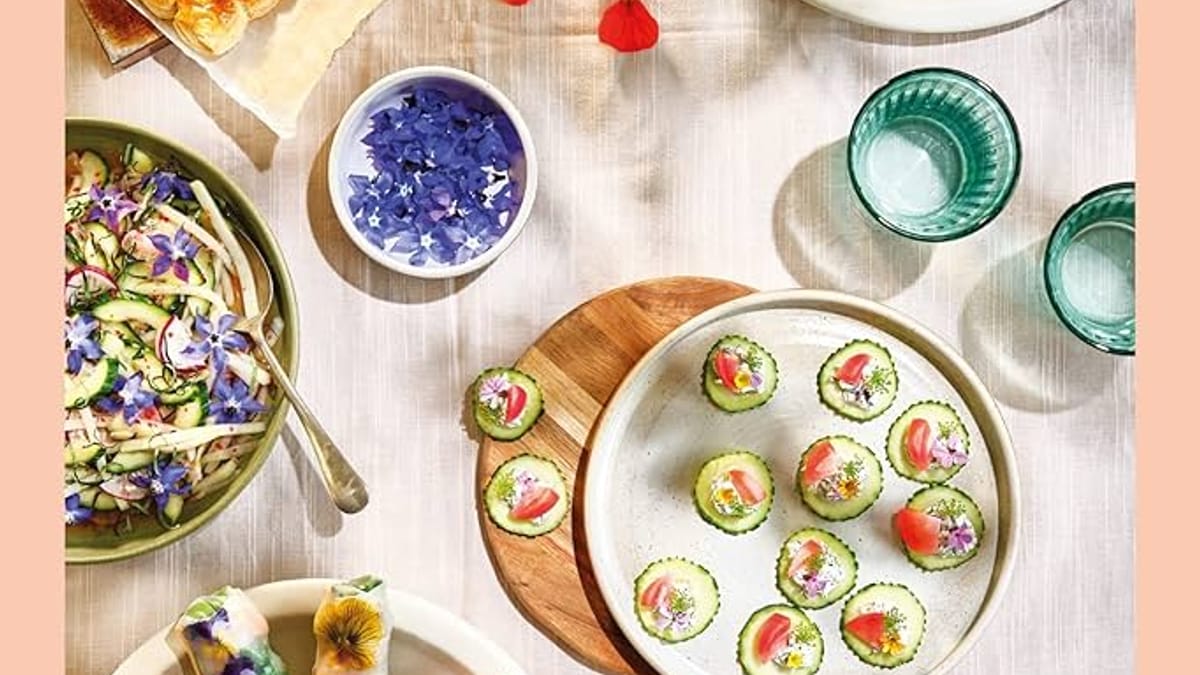
Cooking with Edible Flowers: What You Need to Know
When we think of cooking, our minds often gravitate toward the usual suspects: vegetables, meats, grains, and spices. But what if we told you that nature has bestowed upon us a treasure trove of vibrant, edible flowers that can elevate our culinary creations? Cooking with edible flowers is not just a whimsical trend; it’s a delightful way to add flavor, color, and unique textures to our dishes, transforming everyday meals into extraordinary experiences.
So, let’s explore the wonderful world of edible flowers together! We’ll learn about the types of flowers we can use, how to incorporate them into our cooking, and some practical tips for growing our own at home. By the end of this journey, we’ll feel inspired to bring a touch of floral elegance to our kitchens.
What Are Edible Flowers?
Before diving into the culinary possibilities, it’s essential to understand what we mean by “edible flowers.” These are flowers that can be safely consumed and are often used in cooking for their flavor, aroma, and visual appeal. While some flowers are toxic or unpalatable, many are not only safe but also delicious.
Some common edible flowers include nasturtiums, violets, marigolds, dandelions, and pansies. Each type has its own distinct flavor profile—some are sweet, while others may be spicy or even slightly bitter. As we explore these blooms, we’ll discover how they can enhance our dishes in unexpected ways.
Choosing the Right Flowers
When it comes to selecting edible flowers for our cooking adventures, sourcing is key. We want to ensure that the flowers we’re using are organic and free from pesticides. Many local farmers' markets offer fresh, edible flowers during the growing season, and specialty grocery stores often carry them as well. If we’re feeling adventurous, we can also grow our own edible flowers in a small garden or even on a windowsill.
Before we start picking flowers, let’s remember a few important guidelines. We should only consume flowers that are specifically labeled as edible. While some flowers may look beautiful, they could be harmful if ingested, so it’s crucial to do our research.
Preparing Edible Flowers
Once we’ve chosen our edible flowers, it’s time to prepare them for cooking. The first step is to gently rinse them under cool water to remove any dirt or insects. After rinsing, we want to ensure that we handle them with care, as many flowers are delicate and can bruise easily.
Removing the pistils and stamens is often a good idea since these parts can be bitter or unpleasant in taste. However, it’s worth noting that some flowers, like nasturtiums, are entirely edible, including the seeds, which can be used as a peppery alternative to capers.
Cooking with Edible Flowers
Now, let’s dive into the delicious ways we can incorporate edible flowers into our cooking. The possibilities are truly endless! Here are some approaches to inspire our culinary creativity.
We can start by using flowers as a garnish. A simple dish, like a fresh salad, can be elevated with the addition of colorful blossoms. Imagine a bed of mixed greens adorned with bright orange nasturtiums and delicate purple pansies. Not only does this add visual appeal, but it also introduces new flavors that complement the salad beautifully.
For those of us who enjoy making drinks, edible flowers can add a refreshing twist. A floral-infused lemonade or a cocktail garnished with fresh violets can turn an ordinary beverage into something special. We can also steep flowers like chamomile or hibiscus in hot water to create fragrant herbal teas that are both soothing and delightful.
Incorporating edible flowers into desserts is another fantastic way to enhance our dishes. A simple vanilla cake can be transformed with a floral buttercream or a sprinkle of candied violets on top. We can also try making flower-infused syrups to drizzle over pancakes or ice cream, adding a hint of floral sweetness.
Preserving Edible Flowers
If we find ourselves with an abundance of edible flowers, we might want to consider preserving them for later use. One method is to dry the flowers, which can be done by hanging them upside down in a cool, dark place. Once dried, they can be stored in airtight containers and used in teas, baked goods, or as decorative toppings.
Another preservation technique is crystallization, where we coat the flowers in sugar syrup and then dust them with granulated sugar. This creates beautiful, shimmering edible decorations that can adorn cakes, pastries, or even cocktails.
Safety Considerations
While the world of edible flowers is exciting, it’s essential to remain mindful of safety. We should always familiarize ourselves with the specific flowers we’re using and ensure that they are indeed edible. Additionally, if we have any allergies or sensitivities to certain plants, it’s wise to avoid those flowers altogether.
Furthermore, it’s best to consume edible flowers in moderation. While they can add wonderful flavors and visual appeal to our dishes, they are not meant to be the primary ingredient but rather an accent to enhance our meals.
Growing Edible Flowers at Home
If we’re inspired to embark on a journey of growing our own edible flowers, we can start with a few easy-to-grow varieties. Nasturtiums, for instance, thrive in many conditions and produce vibrant blooms that are both tasty and beautiful. Pansies and violas are also excellent choices, as they can be grown in containers or garden beds and offer a burst of color.
To begin, we can choose a sunny spot in our garden or on our balcony and plant our seeds according to the package instructions. Regular watering and care will help our flowers flourish, and soon enough, we’ll have a fresh supply to add to our culinary creations.
Sourcing Edible Flowers
Whether we’re purchasing flowers or growing our own, sourcing quality blooms is vital. Local farmers' markets are often great places to find fresh, organic edible flowers, and chatting with the growers can provide us with insights into the best varieties for our needs.
When shopping at grocery stores or online, we should look for flowers specifically labeled as edible. We can also explore specialty shops that focus on organic produce, as they may carry a range of unique edible flowers we might not find elsewhere.
Final Thoughts on Cooking with Edible Flowers
As we wrap up our exploration of cooking with edible flowers, we hope you feel inspired to embrace this colorful and flavorful addition to your culinary repertoire. Whether we’re garnishing salads, infusing drinks, or enhancing desserts, edible flowers can transform our dishes into works of art.
We encourage you to experiment with different varieties and discover the unique flavors they bring to your meals. Remember to prioritize safety by ensuring that the flowers we use are indeed edible and free from pesticides. And if we’re feeling adventurous, growing our own flowers can be a rewarding endeavor that connects us even more to the food we prepare.
So, the next time we’re in the kitchen, let’s consider adding a touch of floral magic to our cooking. After all, cooking should be a feast for the senses, and what better way to delight our eyes and palate than with the beauty of edible flowers? Let’s get creative and enjoy the blooming flavors that nature has to offer!