Cooking with Alcohol: When and How to Use It
When we think about cooking with alcohol, many of us might picture a glass of wine paired with dinner or a splash of whiskey in a savory sauce. However, using alcohol in our cooking can be so much more than just a simple pairing. It opens up a world of flavors and techniques that can elevate our dishes in ways we might not have considered. So, let's dive into the exciting realm of cooking with alcohol—when to use it, how to use it, and the delicious results we can achieve.
Understanding the Role of Alcohol in Cooking
At its core, alcohol serves multiple functions in cooking. The most prominent role is flavor enhancement. Cooking with alcohol can add depth, complexity, and a unique character to our dishes. Whether we’re using wine, beer, spirits, or even fortified wines, each type brings its own distinct notes to the table.
Alcohol can also act as a tenderizer, particularly when marinating meats. The acidity in certain alcoholic beverages, like wine or vinegar-based drinks, helps break down tough fibers in meat, making it more succulent and flavorful. Additionally, alcohol helps in dissolving fat-soluble flavors, which allows for a more pronounced taste in our finished dish.
Choosing the Right Alcohol for Your Dish
When considering what alcohol to use, it's essential to select one that complements the flavors of your dish. Here’s a simple guide to help us make informed decisions:
- • Wine: White wine is fantastic for lighter dishes like chicken or seafood, while red wine works beautifully with heavier meats like beef or lamb. When using wine, remember that the quality matters; if it’s not good enough to drink, it’s not good enough to cook with.
- • Beer: The type of beer we choose can significantly affect the flavor profile. A light lager might suit a delicate sauce, while a rich stout can add a deep, complex flavor to stews or braises.
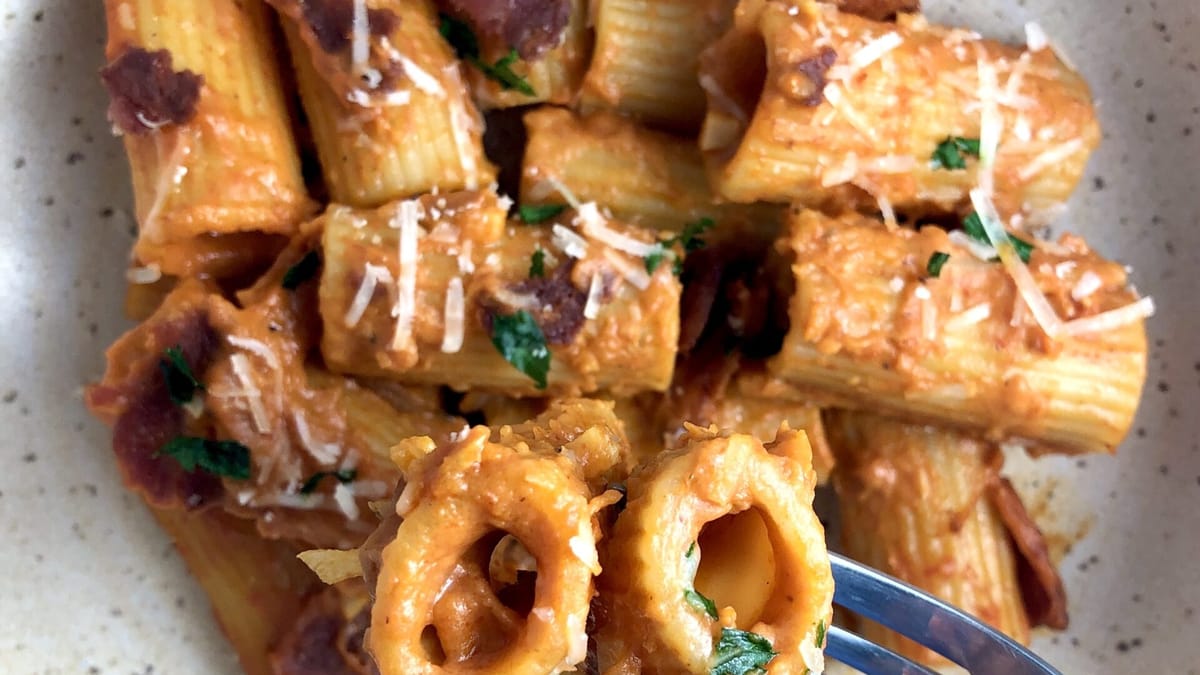
- • Spirits: Spirits like whiskey, rum, and vodka have their unique applications. Whiskey can add a smoky, caramel note to marinades and sauces, while rum can enhance desserts or tropical dishes. Vodka is often used in pasta sauces and dishes that require a neutral spirit to enhance flavors without overpowering them.
- • Fortified Wines: Ingredients like vermouth or sherry can add a rich depth to sauces and dressings. Their concentrated flavors can elevate a dish without needing a large quantity.
Techniques for Cooking with Alcohol
Using alcohol in cooking isn’t just about splashing it into the pot; there are specific techniques we can employ to maximize its potential.
When we add alcohol to a dish, it’s often best to do so early in the cooking process. This allows the alcohol to evaporate, leaving behind the flavors while reducing the harshness of the alcohol itself. For example, when making a sauce, we might sauté our aromatics in olive oil, add the wine, and let it reduce before incorporating other ingredients. This technique not only intensifies the sauce but also helps to meld the flavors harmoniously.
If we’re marinating meats, we should consider including alcohol as part of our marinade. This not only infuses flavor but also helps to tenderize the meat. We should allow it to marinate long enough to notice a difference, usually several hours to overnight, depending on the type of meat and the marinade's acidity.
Another fun technique is flambéing, which involves igniting the alcohol in the dish. This can create a dramatic presentation and add a unique flavor. However, caution is crucial here: we should only flambé with a high-proof alcohol, and it’s best to practice safety first by keeping a lid nearby to smother any flames.
Pairing Alcohol with Different Cuisines
Different cuisines often have traditional uses for alcohol, and exploring these can inspire us to be more adventurous in our cooking.
In Italian cuisine, for instance, wine is frequently used in risottos and sauces. A splash of white wine in our risotto can add a lovely acidity that balances the richness of the dish. Similarly, using Marsala wine in chicken dishes brings a sweet, savory complexity that’s hard to beat.
French cooking often utilizes wine in sauces, with a classic coq au vin being a prime example. The wine not only flavors the dish but also helps to tenderize the chicken. We might also consider using cognac in sauces for an added depth.
In Asian cooking, rice wine or sake can enhance stir-fries and marinades, offering a subtle sweetness. These ingredients can also help to neutralize strong odors in fish or meats, making them more palatable and enjoyable.
Common Mistakes to Avoid
As we explore cooking with alcohol, there are a few pitfalls we should be cautious of. One common mistake is assuming that all the alcohol will completely cook off. While cooking does evaporate a significant amount of alcohol, some remains, especially if added late in the cooking process. If we’re serving a dish to someone avoiding alcohol, it’s essential to consider this.
Another pitfall is using the wrong type of alcohol. Using a sweet wine in a savory dish can clash and distract from the overall flavor. Remember to think about the overall profile of the dish and choose an alcohol that complements rather than overwhelms.
Lastly, we should avoid adding too much alcohol. Just like seasoning, a little can go a long way. It’s better to start with a small amount, taste, and adjust if necessary. This approach allows us to maintain control over the flavor profile of our dish.
Experimenting with Alcohol in Baking
While we often think of alcohol in savory dishes, it can also work wonders in our baking endeavors. For instance, adding a splash of vanilla extract or bourbon to a chocolate cake can enhance its richness, while rum in a fruitcake can deepen the flavors of dried fruits.
In pastry making, using alcohol can improve the texture of our dough. A small amount of vodka in a pie crust can help create a flakier texture since it inhibits gluten formation while still allowing us to achieve that desired structure. The alcohol evaporates during baking, leaving us with a perfectly tender crust.
Not Just for Cooking: Using Alcohol in Drinks
Let’s not forget that alcohol can also play a role in our drinks. Creating a great cocktail can be a delightful way to enhance our meals. For instance, serving a light, refreshing gin and tonic with a seafood dish can perfectly complement the flavors without overpowering them.
We can also get creative by making our own flavored syrups or infusions using alcohol. Infusing vodka with fruits, herbs, or spices can create unique flavors for cocktails or even as a drizzle over desserts. This fun approach gives us the freedom to experiment with flavors that resonate with our culinary style.
Final Thoughts
Cooking with alcohol is a wonderful way to enhance our culinary creations. It allows us to explore new flavors and techniques while adding depth and complexity to our dishes. Whether we’re incorporating wine in a hearty stew or using beer to marinate chicken, the possibilities are endless.
As we continue to experiment, let’s remember to choose our alcohol thoughtfully, use it intentionally, and most importantly, enjoy the process! Cooking with alcohol is about discovery and creativity, and as we become more comfortable with these techniques, we can elevate our cooking to new heights. So, let’s raise a glass to our culinary adventures and embrace the flavors that alcohol can bring to our kitchens!