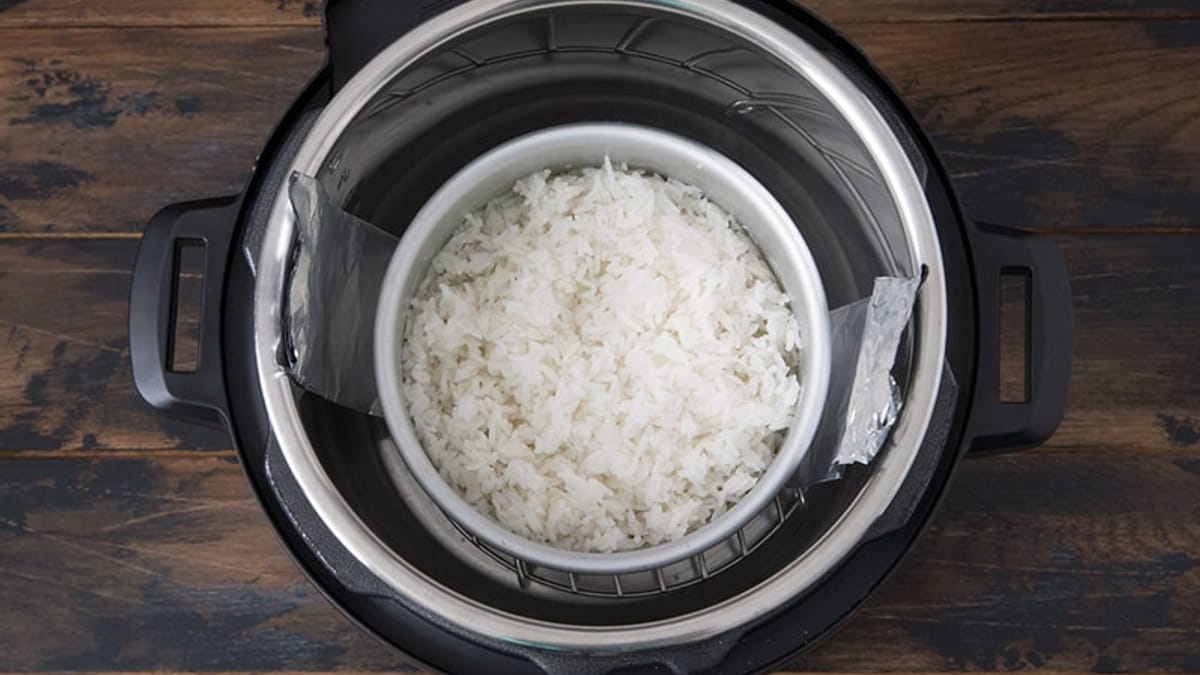
Cooking Under Pressure: Instant Pot Versus Pressure Cooker
We often hear the term "cooking under pressure," and more often than not, it refers to two distinct kitchen appliances: the traditional pressure cooker and the modern Instant Pot. Both have made their mark in the culinary world, but they serve slightly different purposes and come with unique features. As home cooks, we may find ourselves wondering which one is right for our kitchen or how they differ in functionality. In this post, we will explore the nuances of both these appliances, helping us make an informed decision based on our cooking needs and preferences.
Understanding Pressure Cooking
Before diving into the specifics of each appliance, let’s take a moment to understand what pressure cooking actually involves. At its core, pressure cooking is a method that uses steam and high pressure to cook food quickly. When we use a pressure cooker, the boiling point of water increases, which allows food to cook faster than it would through traditional methods. This means we can enjoy tender meats, fluffy grains, and perfectly cooked beans in a fraction of the time—what’s not to love?
The Classic Pressure Cooker
The traditional pressure cooker has been around for quite some time, and for good reason. It’s a simple yet effective kitchen tool that delivers flavorful meals in a hurry. Here are some key features and considerations:
Mechanics and Design A standard pressure cooker is typically made of sturdy materials like stainless steel or aluminum. It consists of a sealed pot with a locking lid, a pressure release valve, and a gasket that ensures a tight seal. The mechanics are straightforward: we add our ingredients and liquid, lock the lid in place, and heat the pot. As the liquid boils, steam builds up inside, increasing the pressure and cooking the food quickly.
Cooking Techniques Traditional pressure cookers require a bit of finesse. We need to monitor the heat carefully, adjusting it to maintain the right pressure. This means we must be attentive, which can be a bit of a juggling act if we’re multitasking in the kitchen. However, once we get the hang of it, the results can be incredible!
Versatility While pressure cookers are excellent for cooking stews, soups, and meats, they can also be used for canning and making stocks. Their ability to maintain high heat and pressure makes them a go-to tool for many home cooks. However, they typically lack the multifunctionality of newer appliances.
The Instant Pot Revolution
Enter the Instant Pot, a game-changer in the realm of pressure cooking. This modern appliance has taken kitchens by storm, and it’s no wonder why. Here’s what sets it apart:
Multifunctionality One of the most appealing aspects of the Instant Pot is its versatility. Not only does it function as a pressure cooker, but it also serves as a slow cooker, rice cooker, steamer, sauté pan, and even a yogurt maker. This all-in-one design allows us to experiment with a variety of cooking techniques without needing multiple gadgets cluttering our countertops.
User-Friendly Features Instant Pots come equipped with smart technology that makes cooking easier. Many models have pre-set programs for specific dishes, allowing us to cook with the touch of a button. The built-in timer and automatic pressure release feature further simplify the process, making it easier for even novice cooks to achieve great results.
Safety Mechanisms Safety is a paramount concern when it comes to pressure cooking, and the Instant Pot shines in this area. It includes multiple safety features, such as overheat protection, a safety lock on the lid, and an automatic pressure control system. This means we can cook with confidence, knowing that the appliance is designed to prevent accidents.
Comparing Cooking Times
When it comes to cooking times, both appliances are efficient, but the Instant Pot has the edge in convenience. With a traditional pressure cooker, we often have to wait for the pot to come to pressure before cooking begins. This process can take some time, especially if we’re cooking large quantities.
On the other hand, the Instant Pot’s smart technology minimizes this waiting period. While it still takes time to build pressure, the overall cooking experience tends to be quicker due to its automatic functions. Plus, the Instant Pot allows for a natural pressure release option, which can be more forgiving for those of us who might forget about the stove.
Flavor and Texture
One of the most significant benefits of both pressure cookers and Instant Pots is their ability to enhance flavors and textures. The sealed environment locks in moisture, resulting in tender meats and flavor-packed dishes. However, traditionalists argue that food cooked in a classic pressure cooker often has a depth of flavor that can be unbeatable.
That said, the Instant Pot also does a remarkable job of infusing flavors into dishes. With its sauté function, we can brown meats and vegetables first, creating a base of flavor before pressure cooking. This step can elevate our meals significantly, giving us the best of both worlds.
Cooking Techniques to Master
Whether we choose a traditional pressure cooker or an Instant Pot, there are a few essential cooking techniques we can master to make the most of these appliances.
Browning If we’re using an Instant Pot, the sauté function is a game-changer. Browning meats and vegetables before pressure cooking can deepen flavors and create a more complex dish. In a traditional pressure cooker, we can achieve the same effect by browning ingredients in a separate pan before transferring them to the cooker.
Layering Flavors When cooking with pressure, layering flavors is essential. This can be done by adding aromatics such as garlic, onion, and herbs at the beginning, followed by the main ingredients. This technique ensures that every element of the dish is infused with flavor.
Liquid Matters Both pressure cookers require liquid to create steam, but the amount can vary. With traditional pressure cookers, we often need a minimum amount of liquid to maintain pressure. In the Instant Pot, the guidelines are similar, but it’s generally more forgiving if we add a little extra. Just remember, the liquid we use can also impact the final flavor of the dish.
Cleaning and Maintenance
Cleaning our kitchen appliances is just as important as using them. Traditional pressure cookers are usually straightforward to clean, as they have few moving parts. Most can go in the dishwasher, but we should always check the manufacturer's instructions.
On the other hand, the Instant Pot has more components, including the lid, sealing ring, and inner pot. While the inner pot is typically dishwasher safe, we should take care to clean the sealing ring regularly to prevent any lingering odors. Both appliances should be thoroughly dried to avoid any rust or buildup.
Which One Should We Choose?
So, which appliance is right for us? The answer largely depends on our cooking style and preferences.
If we love the idea of a multi-functional kitchen gadget that can simplify meal prep and offer a variety of cooking techniques, the Instant Pot might be our best bet. It’s ideal for busy cooks who appreciate convenience and versatility.
On the other hand, if we enjoy the simplicity and traditional method of cooking, and we’re looking to create deeper flavors in our dishes, a classic pressure cooker could be the right choice. It requires a bit more attention but can yield fantastic results for those willing to put in the effort.
Final Thoughts
Whether we opt for the Instant Pot or stick with a traditional pressure cooker, both appliances offer an incredible way to cook under pressure. They allow us to create flavorful, tender meals in a fraction of the time, making them valuable tools in our kitchen repertoire.
As we embark on our cooking adventures, it’s essential to remember that every appliance has its strengths and weaknesses. By understanding the differences between these two pressure cooking methods, we can make more informed decisions that suit our culinary needs. So, let's embrace the art of pressure cooking and enjoy the delicious meals that await us!