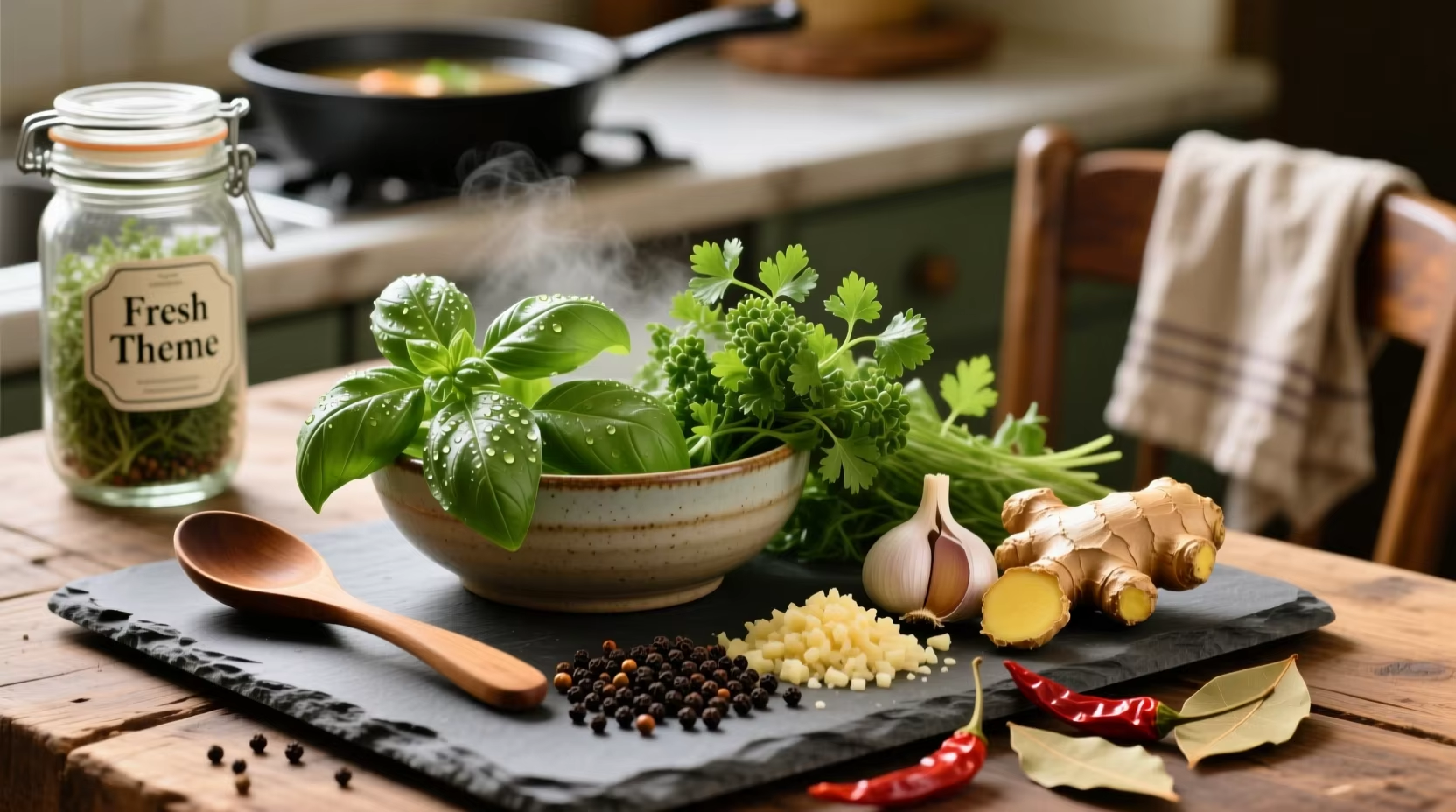
Choosing Between Fresh and Dried Herbs
When it comes to cooking, one of the simplest ways to elevate our dishes is through the use of herbs. Whether we’re adding a sprinkle of fresh parsley to our pasta or a dash of dried oregano to our marinara sauce, herbs can transform a meal from mundane to magnificent. However, we often find ourselves at a crossroads when deciding between fresh and dried herbs. Each has its own unique flavor profile, culinary applications, and storage considerations. So, how do we make the best choice for our cooking needs? Let’s dive deep into the vibrant world of herbs and explore the nuances of choosing between fresh and dried options.
Understanding Fresh and Dried Herbs
To truly appreciate the differences between fresh and dried herbs, it’s essential to understand what makes each type special. Fresh herbs are the green, fragrant leaves and stems that come straight from the garden or the grocery store. They are lively, aromatic, and often provide a burst of flavor that can brighten any dish. On the other hand, dried herbs are simply the dehydrated versions of these plants, which have been stripped of moisture. This process concentrates their flavors but also diminishes some of their aromatic qualities.
One of the most significant differences lies in the potency of their flavors. Fresh herbs tend to have a more vibrant and complex taste, while dried herbs are often more intense. This is partly due to the fact that drying herbs can enhance certain flavor compounds, but it also means that we need to be mindful of the quantities we use.
Flavor Profiles and Culinary Uses
When we’re in the kitchen, the flavor profile we desire can guide us in choosing between fresh and dried herbs. Fresh herbs are ideal for dishes that require a bright finish. For example, adding fresh basil to a caprese salad not only enhances the dish’s flavor but also contributes visually with its vibrant green color. Similarly, fresh cilantro is a must for a zesty salsa or a refreshing guacamole, where its crispness can shine.
Conversely, dried herbs are perfect for slow-cooked dishes, where their concentrated flavors can meld beautifully with other ingredients over time. Think about a hearty stew or a savory sauce simmering on the stove; dried oregano, thyme, and rosemary can infuse these dishes with depth and richness. Since dried herbs are less volatile than fresh ones, they can withstand prolonged cooking times without losing their flavor.
Substituting Between Fresh and Dried Herbs
When we find ourselves with one type of herb but not the other, we can still make it work. Generally, we can substitute dried herbs for fresh herbs by using a smaller quantity, as dried herbs are more concentrated in flavor. A good rule of thumb is to use a ratio of three to one, meaning if a recipe calls for three tablespoons of fresh herbs, we would use one tablespoon of dried herbs instead.
However, this isn’t a hard and fast rule. Some dried herbs can be more potent than others, and the specific herb we’re using can also impact this substitution. For example, dried rosemary has a stronger flavor compared to its fresh counterpart, so we might want to adjust our measurements accordingly.
Storage and Freshness Considerations
One of the practical aspects of choosing between fresh and dried herbs is how we store them. Fresh herbs, while delightful, have a shorter shelf life. They typically last about a week in the refrigerator if stored properly. To extend their freshness, we can treat them like flowers: trim the stems and place them in a glass of water, covering the tops with a plastic bag. This method can keep them vibrant for a bit longer.
On the other hand, dried herbs have a longer shelf life, which makes them a convenient pantry staple. However, they can lose their potency over time, so it’s important to store them in a cool, dark place in an airtight container. We should regularly check our dried herbs for freshness by rubbing a small amount between our fingers and smelling them. If the aroma is weak, it might be time to replace them.
Growing Our Own Herbs
If we have a green thumb or are keen on gardening, growing our own herbs can be incredibly rewarding. Not only can we enjoy the freshest flavors, but we also gain the satisfaction of nurturing our own plants. Many herbs are quite easy to grow, even in small spaces. A sunny windowsill or balcony can become a thriving herb garden with basil, mint, or chives.
When we grow our own herbs, we can harvest them as needed, ensuring maximum freshness and flavor. Moreover, we can experiment with varieties that might not be readily available in stores, which can open up a whole new world of culinary possibilities.
The Art of Pairing Herbs with Foods
One of the magical aspects of cooking lies in the pairing of flavors. Certain herbs complement specific ingredients beautifully, enhancing the overall dish. For instance, we often find that rosemary and lamb create a classic pairing, while thyme and chicken are a match made in heaven. When using fresh herbs, we might want to consider adding them toward the end of cooking to preserve their bright flavors. With dried herbs, we can add them earlier in the cooking process to allow their flavors to develop and integrate into the dish.
Experimentation is key here. We can try different combinations and discover what works best for our palate. Perhaps we’ll find that fresh dill elevates our potato salad, or that dried sage adds a delightful depth to our butternut squash soup.
A Personal Touch to Our Dishes
At the end of the day, cooking is about personal expression. The herbs we choose can reflect our tastes and experiences. Perhaps we have fond memories of a family recipe that calls for fresh parsley, or we enjoy the nostalgic aroma of dried thyme simmering in a pot of stew. Embracing both fresh and dried herbs allows us to create our own culinary narrative, infusing our dishes with flavors that resonate with us.
Embracing Both Fresh and Dried Herbs
As we navigate the world of cooking, we’ll often find that both fresh and dried herbs have their rightful place in our kitchens. Fresh herbs can brighten our dishes and provide that burst of flavor, while dried herbs can offer depth and richness, particularly in slow-cooked meals. By understanding the strengths and applications of each type, we can make informed choices that enhance our cooking and elevate our meals.
So, whether we’re reaching for a bunch of fresh cilantro to top our tacos or shaking a jar of dried oregano into our pasta sauce, let’s embrace the versatility of herbs. Each time we cook, we’re not just preparing a meal; we’re celebrating flavors, memories, and the joy of creating something delicious. Happy cooking!