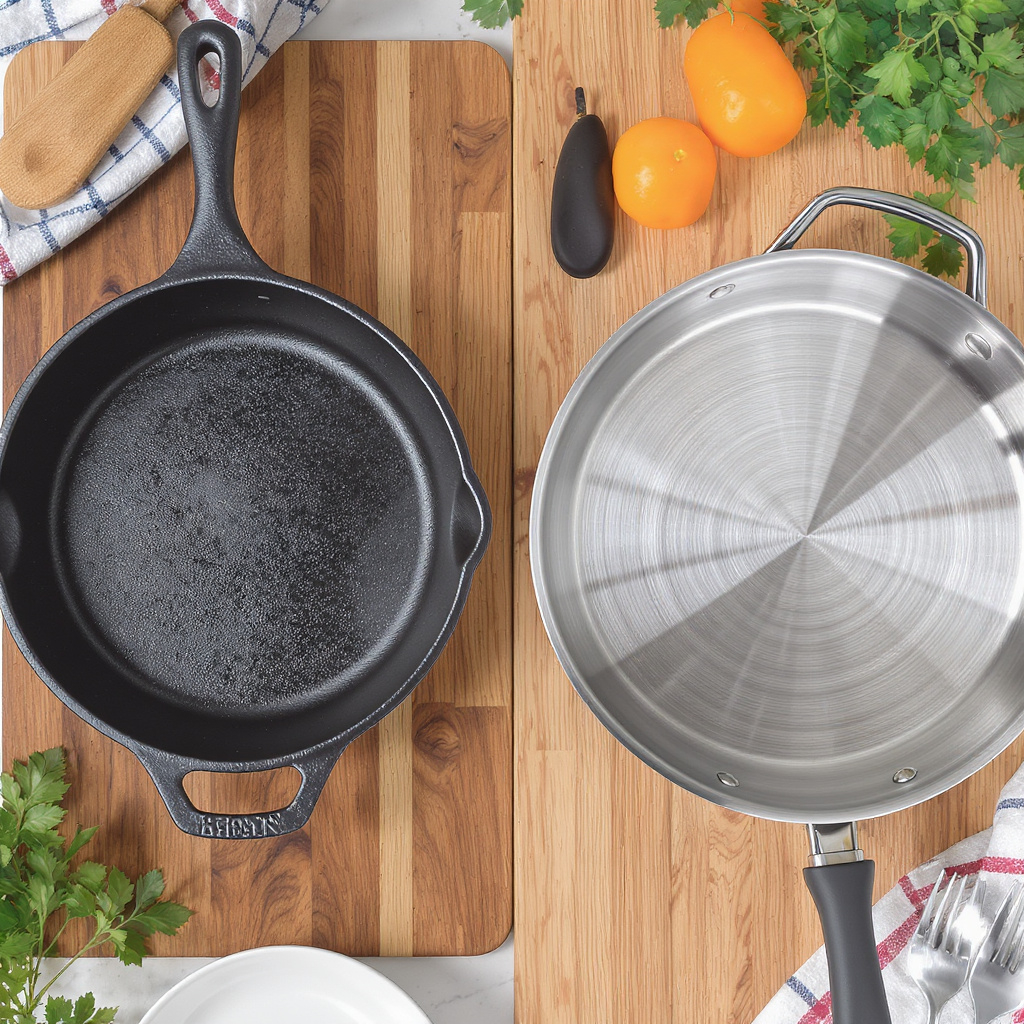
Cast Iron vs.Stainless Steel vs.Non - Stick: Which Pan Is Right for You?
Introduction
Choosing the right cookware is essential for any home cook, whether you're a novice just starting out or a seasoned pro. Among the myriad of options available, three types of pans often dominate kitchen conversations: cast iron, stainless steel, and non-stick. Each has its unique advantages and disadvantages, which can significantly affect your cooking experience and the outcome of your dishes. In this guide, we’ll break down the features of each type, helping you determine which pan is best suited for your cooking style and needs.
Cast Iron Cookware
What is Cast Iron?
Cast iron pans are made from molten iron that is poured into molds. Known for their durability and excellent heat retention, these pans can last for generations if properly cared for.
Benefits of Cast Iron
- • Heat Retention: Cast iron retains heat exceptionally well, making it perfect for searing meats and maintaining high temperatures.
- • Versatility: These pans can be used on the stovetop, in the oven, or even over an open flame, making them ideal for a variety of cooking methods.
- • Natural Non-Stick Surface: When seasoned properly, cast iron develops a natural non-stick surface that improves with use.
- • Nutritional Benefits: Cooking in cast iron can increase the iron content of your food, which is beneficial for those needing an iron boost.
Drawbacks of Cast Iron
- • Heavy: Cast iron pans can be cumbersome to handle, especially when full.
- • Maintenance: They require special care, including seasoning and avoiding soap, which can be a deterrent for some cooks.
- • Reactive: Acidic foods, such as tomatoes, can react with cast iron, potentially affecting the flavor of your dish.
Tips for Using Cast Iron
- 1. Season Regularly: Keep your pan seasoned by applying a thin layer of oil after each use and baking it upside down in the oven.
- 2. Preheat Before Cooking: Heat your cast iron pan before adding oil or food to prevent sticking.
- 3. Avoid Cooking Acidic Foods: If you’re new to cast iron, steer clear of acidic foods until your pan is well-seasoned.
Stainless Steel Cookware
What is Stainless Steel?
Stainless steel cookware is made from a combination of metals, including iron, carbon, and chromium, which gives it a shiny, durable finish and resistance to rust and staining.
Benefits of Stainless Steel
- • Durability: Stainless steel is highly resistant to rust and corrosion, making it a long-lasting investment.
- • Non-Reactive: Unlike cast iron, stainless steel does not react with acidic or alkaline foods, making it a versatile choice for a wide range of cooking.
- • Easy to Clean: Most stainless steel pans are dishwasher safe, and you can scrub them without fear of damaging the surface.
- • Even Heating: High-quality stainless steel pans often feature an aluminum or copper core for better heat distribution.
Drawbacks of Stainless Steel
- • Sticking Issues: Foods can stick to stainless steel if not cooked properly; it requires the right technique and temperature management.
- • Price: High-quality stainless steel cookware can be more expensive than other options.
Tips for Using Stainless Steel
- 1. Preheat Properly: Heat your pan until it’s hot enough to sizzle a drop of water, which will help prevent sticking.
- 2. Use Enough Oil: Always use a sufficient amount of oil or fat to create a barrier between the food and the pan.
- 3. Don’t Rush the Cooking Process: Allow food to develop a natural crust before attempting to flip or stir.
Non-Stick Cookware
What is Non-Stick?
Non-stick pans are coated with a chemical layer (often Teflon or ceramic) that reduces friction, allowing food to slide off easily.
Benefits of Non-Stick
- • Ease of Use: Non-stick pans are incredibly user-friendly, making them ideal for beginners and for cooking delicate foods like eggs and pancakes.
- • Less Oil Needed: You can use significantly less oil than with other pans, making for healthier cooking.
- • Easy Clean-Up: Food residue comes off easily, making non-stick pans a breeze to clean.
Drawbacks of Non-Stick
- • Durability Concerns: Non-stick coatings can wear off over time, especially if not cared for properly.
- • Limited Heat Tolerance: Many non-stick pans are not suitable for high-heat cooking, which can limit their versatility.
- • Chemical Concerns: There are concerns regarding the safety of some non-stick coatings, particularly when overheated.
Tips for Using Non-Stick
- 1. Use Low to Medium Heat: Avoid high heat, which can damage the non-stick coating.
- 2. Use Non-Metal Utensils: Stick to silicone, wood, or plastic utensils to prevent scratching the surface.
- 3. Hand Wash: Although many non-stick pans are dishwasher safe, hand washing with a gentle sponge can prolong their life.
Comparison Table
| Feature | Cast Iron | Stainless Steel | Non-Stick |
|---|---|---|---|
| Heat Retention | Excellent | Good | Fair |
| Versatility | High | High | Moderate |
| Maintenance | High (seasoning required) | Low | Moderate |
| Durability | Very high | High | Moderate |
| Cooking Surface | Natural non-stick (seasoned) | Non-reactive | Non-stick |
| Weight | Heavy | Moderate | Light |
| Price Range | Moderate to high | Moderate to high | Low to moderate |
Which Pan is Right for You?
Choosing the right pan ultimately depends on your cooking style, preferences, and the types of dishes you enjoy preparing. Here are some scenarios to help you decide:
- • If You Love Searing and Baking: Go for cast iron. It’s perfect for achieving a great sear on meats and can transition easily from stovetop to oven.
- • If You Want Versatility and Durability: Choose stainless steel. It’s excellent for browning, deglazing, and sautéing without the fear of food sticking.
- • If You Prefer Ease and Convenience: Opt for non-stick. Ideal for quick meals and healthy cooking with less oil, it’s perfect for busy weeknights.
Conclusion
When it comes to cookware, there’s no one-size-fits-all solution. Each type of pan has its own strengths and weaknesses, and understanding these can help you make an informed decision. Whether you invest in a sturdy cast iron skillet, a reliable stainless steel pan, or a convenient non-stick option, the right cookware can enhance your cooking experience and lead to delicious results.
Experiment with different pans, learn their quirks, and enjoy the process of becoming a more skilled home cook. Happy cooking!