Caring for Wood Versus Plastic Cutting Boards
When we gather around the kitchen to chop, slice, and dice our favorite ingredients, one essential tool often stands at the forefront: the cutting board. It’s a humble yet crucial companion in our culinary journey, providing us the surface we need to prepare our meals. Among the various materials available, wood and plastic are two of the most popular choices, each with its own set of benefits and challenges. So, how do we care for these boards to ensure they remain in tip-top shape? Let’s dive into the world of cutting boards and explore the best practices for maintaining both wood and plastic varieties.
Understanding the Basics: Wood and Plastic Cutting Boards
Before we delve into the care aspects, it’s helpful to understand the fundamental differences between wood and plastic cutting boards.
Wood boards are often revered for their natural beauty and durability. They are typically made from hardwoods like maple, walnut, or cherry. One of the standout features of wooden boards is their ability to self-heal—small cuts in the surface close up over time, making them more resistant to bacteria.
On the other hand, plastic cutting boards are lightweight, often dishwasher-safe, and come in a variety of colors and styles. They are generally less expensive than wood boards and can be an excellent choice for those who appreciate convenience. However, they can develop grooves over time that may harbor bacteria if not properly cleaned.
Caring for Wood Cutting Boards
Caring for our wooden cutting boards is essential to prolonging their lifespan and maintaining their functionality. Here are some tips that we can follow:
Cleaning Wood Boards
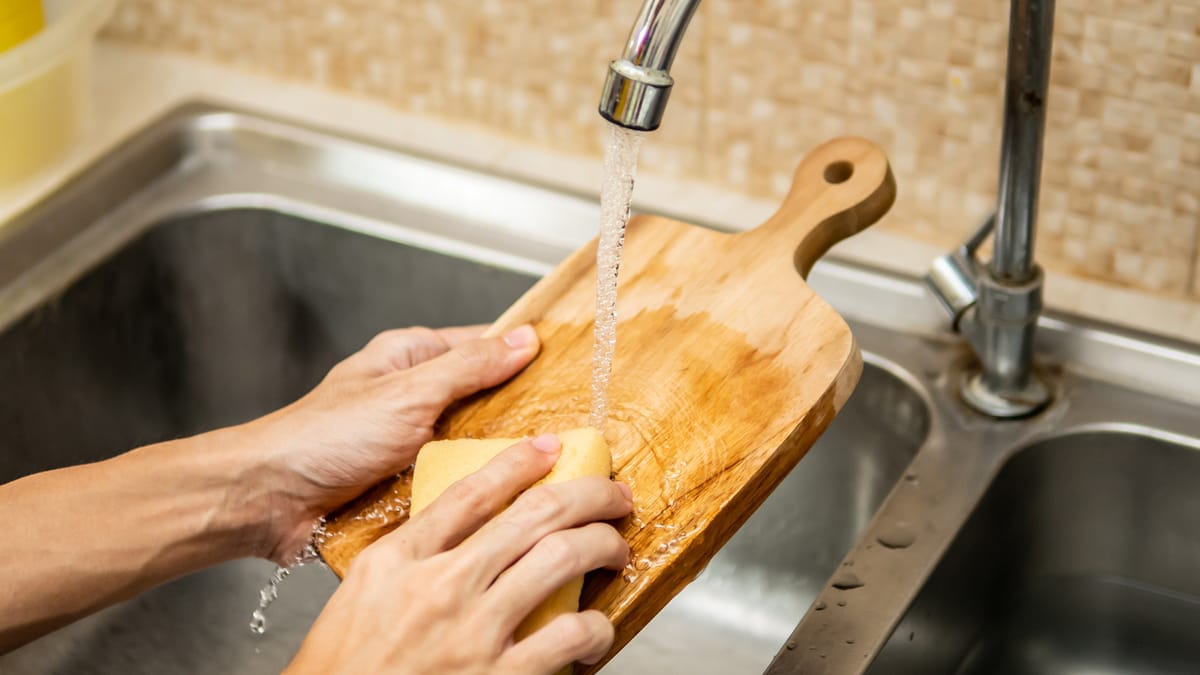
After each use, we should wash our wooden cutting boards with warm soapy water. It’s important to avoid soaking them in water or putting them in the dishwasher, as this can cause the wood to warp or crack. Instead, we can use a soft sponge or cloth to gently scrub the surface, paying attention to any stubborn food particles.
Once cleaned, we should rinse the board thoroughly and dry it immediately with a clean towel. Leaving moisture on the board can lead to mold or unpleasant odors, which we certainly want to avoid.
Seasoning Wood Boards
To keep our wooden boards looking beautiful and to prevent them from drying out, regular seasoning is crucial. We can use food-grade mineral oil or beeswax to condition the surface. Applying a generous amount of oil and spreading it evenly with a clean cloth helps the wood absorb moisture and creates a protective barrier against stains and odors.
We should aim to repeat this process every month or whenever the board looks dry. A well-maintained wooden board can last for years, often becoming a cherished kitchen heirloom.
Storing Wood Boards
Storage is another important aspect of caring for our wooden cutting boards. We should always store them in an upright position to allow for airflow. If possible, keeping them away from direct sunlight and heat sources helps prevent warping and cracking.
Caring for Plastic Cutting Boards
While plastic boards require a different approach, they also need attentive care to ensure they remain clean and safe for food preparation.
Cleaning Plastic Boards
After each use, we should wash our plastic cutting boards with warm, soapy water, just like we do with wooden boards. However, the great advantage of plastic boards is that they can typically be placed in the dishwasher for a thorough clean. This can be especially useful after cutting raw meat or fish, as the high heat of the dishwasher helps eliminate any lingering bacteria.
If we notice any stains or persistent odors on our plastic boards, a scrub with a paste made of baking soda and water can work wonders. We just need to let it sit for a few minutes before rinsing it thoroughly.
Disinfecting Plastic Boards
To ensure our plastic cutting boards are sanitized, we can use a mixture of one tablespoon of bleach in a gallon of water. After cleaning, we just soak the board in this solution for a few minutes, rinse it well, and allow it to air dry. This is particularly important when switching between raw meats and fresh vegetables to avoid cross-contamination.
Storing Plastic Boards
Storing plastic cutting boards is relatively straightforward. We should keep them stacked or in a designated drawer, ensuring they are completely dry before storing them. If we have multiple boards, using different colors for different food types can help us stay organized and safe in the kitchen.
The Great Debate: Wood vs. Plastic
Now that we’ve examined the care techniques for both wood and plastic cutting boards, we may find ourselves pondering which type is better for our kitchen.
From a culinary perspective, many chefs prefer wooden boards for their aesthetic appeal and the gentle treatment they offer knife blades. Wood boards do not dull knives as quickly as plastic ones, which can be a significant advantage for those of us who enjoy precision in our cooking.
However, plastic boards have their merits, especially in terms of hygiene. They are often lighter, easier to clean, and less expensive, making them a practical choice for many home cooks.
Ultimately, the choice may come down to personal preference and specific kitchen needs. Having both types can provide us with versatility, allowing us to choose the right board for different tasks.
A Note on Sustainability
As we consider our options, it’s also worth reflecting on the environmental impact of our choices. Wood cutting boards, particularly those made from sustainably sourced materials, can be a more eco-friendly option. They are biodegradable and can last for decades with proper care, reducing waste. Plastic boards, however, are often made from petroleum-based materials, which can contribute to environmental concerns.
For those of us looking to make more sustainable choices, investing in high-quality wooden boards or seeking out eco-friendly plastic alternatives can help strike a balance between functionality and environmental responsibility.
Personal Stories: Lessons Learned in the Kitchen
In our culinary adventures, we’ve all had our share of mishaps and learning moments. I remember the first time I used a wooden cutting board; I was so enamored with its beauty that I neglected to oil it properly. Over time, it dried out and developed cracks, which was a heartbreaking sight.
It taught us the importance of regular maintenance. Since then, we’ve formed a routine of caring for our boards, treating them as cherished tools rather than mere kitchen accessories.
Similarly, there was a time when I underestimated the need to separate my cutting boards for different food types. A careless moment led to an unpleasant dinner experience that reminded me of the vital role hygiene plays in cooking.
These stories serve as reminders that our tools, whether wood or plastic, require respect and care. By nurturing them properly, we enhance our cooking experiences and keep our kitchens safe for everyone.
As we wrap up our exploration into the care of wood versus plastic cutting boards, it’s clear that both types have their unique attributes and requirements. By employing the right cleaning, seasoning, and storage techniques, we can ensure that our cutting boards serve us well for many meals to come. So, let’s embrace the art of caring for our kitchen companions, and in doing so, elevate our cooking adventures. Here’s to many more delicious meals prepared with love and respect for our tools!