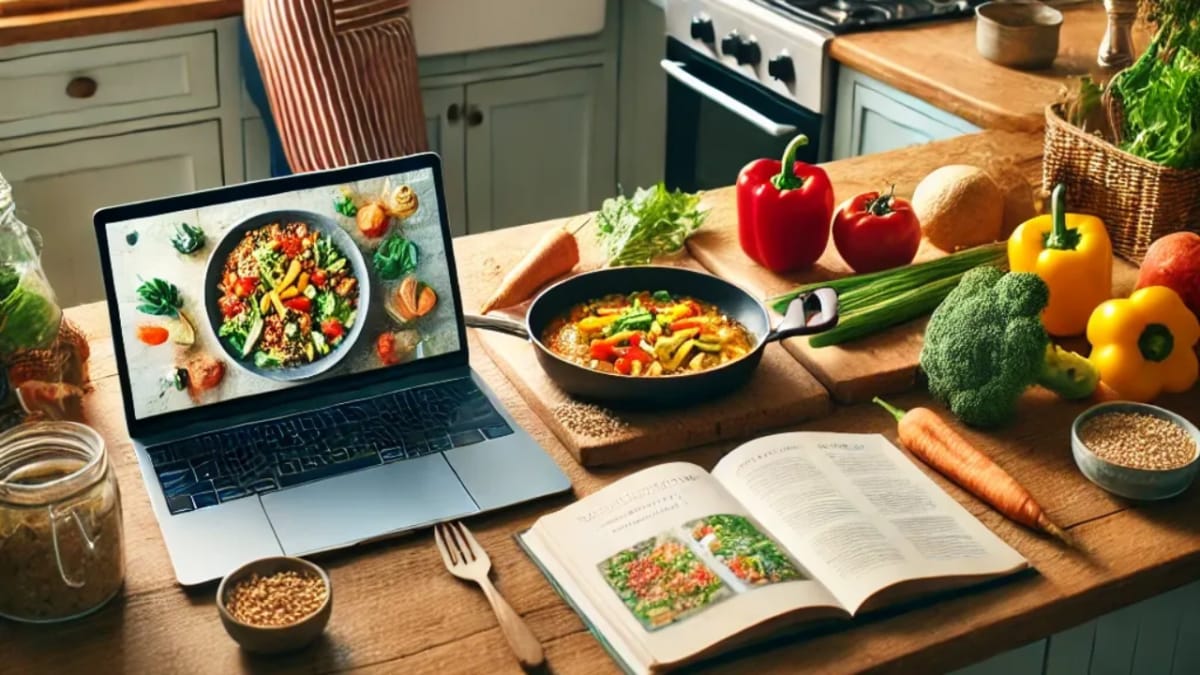
Breaking Down the Essentials of Vegan Cooking
Vegan cooking has gained incredible popularity over the last few years, and for good reason. It’s not just a dietary choice; it’s a celebration of vibrant flavors, diverse ingredients, and a commitment to health and sustainability. Whether you’re a long-time vegan, someone who’s curious about plant-based eating, or simply looking to incorporate more veggies into your diet, we’re here to break down the essentials of vegan cooking.
Understanding the Basics of Vegan Ingredients
At the heart of vegan cooking is a wide array of plant-based ingredients. Understanding these components helps us craft delicious meals that are nutritious and satisfying.
First and foremost, let’s talk about fruits and vegetables. These are the stars of our vegan kitchen. Fresh, frozen, or even canned, they provide essential vitamins, minerals, and fiber. Seasonal produce is particularly delightful, as it’s often at its peak flavor. When we choose seasonal fruits and veggies, we not only support local farmers but also get the best taste.
Next up are grains and legumes. Whole grains like quinoa, brown rice, and farro give us energy and important nutrients. Legumes, including lentils, chickpeas, and various beans, are fantastic sources of protein and can be used in a myriad of ways—from soups to salads and even as meat substitutes in some dishes. We can experiment with different grains and legumes to find our favorites and discover how they can elevate a meal.
Nuts and seeds are another important category. They provide healthy fats, protein, and a satisfying crunch. We can use nuts and seeds in various forms: whole, chopped, or as nut butters. They can be sprinkled on salads, blended into smoothies, or used to create creamy sauces.
Finally, let’s not forget plant-based dairy alternatives. With options ranging from almond milk to coconut yogurt, we have an abundance of dairy substitutes that allow us to enjoy creamy textures without compromising our vegan lifestyle. These alternatives often add unique flavors and can be found in many standard recipes.
Mastering Techniques for Flavor and Texture
When we think about cooking, techniques can make or break a dish. In vegan cooking, knowing how to enhance flavors and textures is crucial.
Roasting is one of our favorite methods for bringing out the natural sweetness of vegetables. Tossing veggies like carrots, bell peppers, or cauliflower in a bit of olive oil, salt, and pepper and roasting them in the oven creates a caramelized, crispy exterior that adds depth to any dish.
Another technique we love is sautéing. This method can quickly turn fresh ingredients into mouthwatering meals. A simple stir-fry of seasonal vegetables can be transformed with the addition of garlic, ginger, and soy sauce. The key is to keep our pan hot and to add ingredients in stages, starting with those that take longer to cook.
For those who enjoy comfort food, blending is a game-changer. We can create creamy soups, sauces, and even desserts by blending cooked vegetables with a bit of vegetable broth or nut milk. This technique not only makes our dishes smoother and richer but also allows us to pack in extra nutrients.
Marinating is another powerful technique that can elevate our meals. By soaking tofu or tempeh in a mix of soy sauce, garlic, and spices, we infuse them with flavor before they hit the heat. Marinating can also apply to vegetables, enhancing their taste and creating a more complex dish.
Building Flavor with Herbs and Spices
One of the best parts of vegan cooking is the opportunity to play with herbs and spices. They can transform a simple dish into something extraordinary.
We recommend starting with a well-stocked spice rack. Common spices such as cumin, paprika, and turmeric can add warmth and depth to our recipes. Fresh herbs like basil, cilantro, and parsley can brighten and elevate the flavors of our meals. When we incorporate herbs and spices, we not only add flavor, but we also introduce health benefits, as many of them have anti-inflammatory properties.
Experimentation is key. We can try blending different spices to create our own unique seasoning blends. For instance, mixing smoked paprika, garlic powder, and onion powder can give a wonderful smoky flavor to roasted veggies or beans.
Creating Balance in Vegan Meals
One of the most essential aspects of any meal is balance. In vegan cooking, this means ensuring we’re getting a variety of nutrients.
When we build our plates, we want to think about including components from different food groups. A balanced vegan meal typically includes a source of protein, healthy fats, and plenty of colorful vegetables. For example, a quinoa salad made with chickpeas, diced cucumbers, cherry tomatoes, and a drizzle of tahini dressing is not only delicious but also packed with nutrients.
It’s also important to consider texture. A meal composed entirely of soft or mushy foods can feel unappealing. We can aim for a variety of textures—think crunchy raw veggies paired with creamy avocado or crispy roasted chickpeas combined with tender grains.
Meal Prep and Planning
For those of us who lead busy lives, meal prep can be a lifesaver. Taking time to plan our meals not only saves us time during the week but also helps us stay on track with our dietary goals.
We can start by setting aside a couple of hours each week to prepare ingredients. Cooking grains in bulk, chopping vegetables, and even batch-cooking soups or stews allows us to have ready-to-go components that can be quickly assembled into meals. When we have a well-stocked fridge, we’re more likely to make healthy choices.
Creating a weekly menu can also help us minimize food waste and make shopping more efficient. We can plan meals around what’s in season or what we already have in our pantry. This way, we’re not only saving time but also saving money.
Embracing the Creativity of Vegan Cooking
One of the most exciting aspects of vegan cooking is the creativity it allows. There are no strict rules; we can experiment with flavors, textures, and techniques.
We can take inspiration from traditional dishes and put a vegan spin on them. For instance, we might recreate a classic Italian risotto using vegetable broth, arborio rice, and a medley of mushrooms and peas. Or, we could make tacos with spiced lentils and top them with fresh avocado and salsa.
Don’t hesitate to try new ingredients, either. Have you ever cooked with jackfruit? This versatile fruit can mimic the texture of pulled pork when cooked and seasoned properly. Or how about aquafaba, the liquid from canned chickpeas? It can be whipped into a fluffy meringue or used as an egg replacer in baking.
Learning from Failures
As with any cooking journey, we are bound to encounter some bumps along the way. Not every recipe will turn out perfectly, and that’s okay! Each failure is an opportunity to learn and improve.
If a dish doesn’t turn out as expected, we should take a moment to reflect on what went wrong. Was it overcooked? Did we forget a key ingredient? Or perhaps the seasoning was off? By analyzing our mistakes, we can make adjustments for next time.
It’s also helpful to remember that cooking is about enjoyment. We should embrace the process, have fun, and share our dishes with friends and family. After all, cooking is as much about community and connection as it is about nourishment.
Fostering a Vegan Community
As we delve deeper into vegan cooking, we might find ourselves wanting to connect with others who share our passion. Local vegan groups, online forums, and social media platforms can be great places to share recipes, swap ideas, and find inspiration.
We can participate in cooking classes or workshops that focus on vegan cuisine. Learning new techniques from experienced chefs or fellow home cooks can open new doors and introduce us to flavors we may never have tried before.
Joining a community not only enhances our cooking skills but also fosters a sense of belonging. We can celebrate our culinary successes together, support each other in our challenges, and share the joy of preparing delicious, plant-based meals.
As we embark on this journey, let’s keep an open mind and a curious spirit. Vegan cooking is not just about restrictions; it's a world of flavors waiting to be explored. With the essentials of vegan cooking at our fingertips, we can create meals that nourish our bodies and delight our taste buds.
By embracing these practices, techniques, and ingredients, we not only enhance our culinary repertoire but also contribute to a more sustainable and health-conscious world. Let’s continue to learn, grow, and enjoy the wonderful adventure that is vegan cooking.