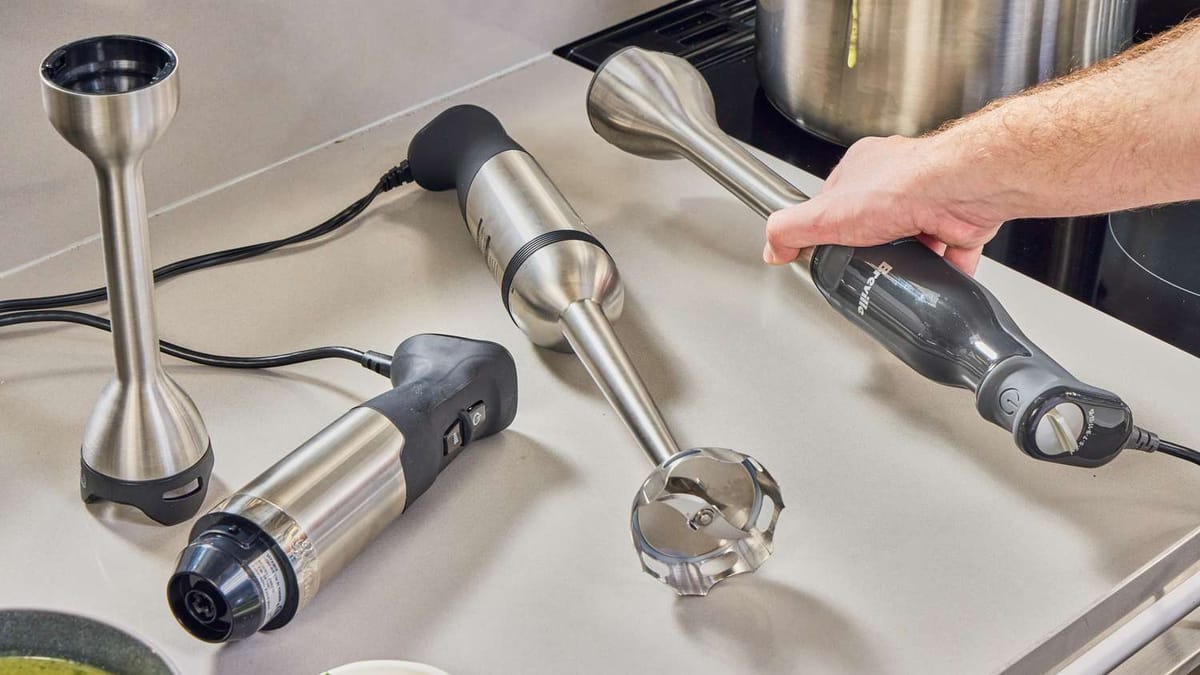
A Guide to Immersion Blenders and Their Many Uses
If you’ve ever found yourself wrestling with a bulky blender or a food processor, you might have dreamed of a more convenient solution. Enter the immersion blender, a kitchen gadget that’s often overlooked but can transform your cooking experience. Compact, versatile, and incredibly user-friendly, immersion blenders are a must-have for any home cook looking to elevate their culinary game. In this guide, we’ll explore everything you need to know about immersion blenders, from their many uses to tips on how to choose the right one for your kitchen.
What is an Immersion Blender?
An immersion blender, also known as a stick blender or hand blender, is a kitchen appliance designed to blend, puree, and emulsify food directly in the container it’s being prepared in. Unlike traditional blenders, which require you to transfer liquids to a separate jar, immersion blenders allow you to blend soups, sauces, and smoothies right in the pot or bowl. This not only saves time but also reduces the amount of cleanup required after cooking.
Why You Need an Immersion Blender
Immersion blenders are incredibly versatile tools that can simplify many cooking tasks. Here are some compelling reasons to add one to your kitchen arsenal:
- • Space-saving Design: Unlike traditional blenders, immersion blenders are compact and easy to store.
- • Easy Cleanup: With fewer parts and no need for transferring ingredients, clean-up is a breeze.
- • Versatile Functionality: From soups to smoothies, sauces to whipped cream, immersion blenders can handle a wide variety of tasks.
- • Control: You have more control over the blending process, allowing you to achieve the desired consistency.
Choosing the Right Immersion Blender
Before you dive into using your immersion blender, it’s essential to choose the right model for your needs. Here are some factors to consider:
Power
Most immersion blenders range from 200 to 600 watts. If you plan to blend tougher ingredients like nuts or frozen fruits, opt for a model with higher wattage for efficient blending.
Speed Settings
Look for a blender with multiple speed settings. This feature allows you to adjust the blending speed according to your needs, whether you’re emulsifying a dressing or pureeing a soup.
Attachments
Many immersion blenders come with additional attachments like whisks, choppers, and even blending cups. These can expand the versatility of your blender, making it a multi-functional tool in your kitchen.
Ergonomics
Choose a blender that fits comfortably in your hand. A good grip will make it easier to maneuver, especially during longer blending sessions.
Getting Started: Basic Techniques
Once you have your immersion blender in hand, it’s time to get blending! Here are some fundamental techniques to help you make the most of your new gadget.
Blending Soups
One of the most popular uses for an immersion blender is pureeing soups. Here’s how to do it:
- 1. Cook Your Soup: Prepare your soup as you normally would, ensuring that all ingredients are cooked and tender.
- 2. Blend: Insert the immersion blender into the pot, making sure it’s submerged in the soup. Turn it on and move it around to blend everything evenly. Start from the bottom and work your way up to avoid splattering.
- 3. Check Consistency: Blend until you reach your desired consistency. If you prefer a chunkier soup, blend for a shorter time.
Making Smoothies
Immersion blenders can make smoothies just as easily as traditional blenders. Here’s a quick method:
- 1. Gather Ingredients: Add your favorite fruits, yogurt, and any other ingredients to a tall glass or jar.
- 2. Blend: Insert the immersion blender and pulse until smooth. You may need to move the blender up and down to ensure everything is well mixed.
- 3. Adjust as Needed: If your smoothie is too thick, add a splash of juice or milk and blend again until you reach the desired consistency.
Whipping Cream
Why dirty a bowl and a whisk when you can whip cream in seconds with an immersion blender? Here’s the technique:
- 1. Chill Your Bowl and Whisk: For best results, chill your mixing bowl and the whisk attachment beforehand.
- 2. Combine Ingredients: Pour heavy cream into the bowl and add sugar or vanilla for flavor.
- 3. Blend: Use the immersion blender with the whisk attachment, starting on low speed to avoid splashing. Gradually increase the speed until soft peaks form.
Creative Uses of an Immersion Blender
Now that you’re familiar with the basics, let’s explore some creative applications for your immersion blender that will take your cooking to the next level.
Homemade Sauces and Dressings
Creating your own sauces and dressings is easy with an immersion blender. Here’s a quick recipe for a homemade vinaigrette:
- • Ingredients:
- • Instructions:
Pureeing Baby Food
If you’re a parent, you’ll appreciate how easy it is to make homemade baby food with an immersion blender. Simply steam or cook vegetables or fruits until tender, then blend until smooth. You can also add a little water, broth, or breast milk to achieve the desired consistency.
Making Nut Butters
With enough power, an immersion blender can make creamy nut butters. Here’s how:
- 1. Roast Nuts: Roast your chosen nuts (like almonds or peanuts) in the oven until fragrant, about 10 minutes.
- 2. Blend: Place the roasted nuts in a tall container and blend with the immersion blender. Start slowly, and gradually increase speed as the nuts break down.
- 3. Add Flavor: Once the nuts are smooth, feel free to add a pinch of salt, honey, or cocoa powder for flavor.
Tips for Using an Immersion Blender Safely
While immersion blenders are generally safe, there are a few tips to keep in mind to ensure you use them safely:
- • Avoid Hard Ingredients: Don’t use your immersion blender on hard items like ice or whole frozen fruits, as this could damage the blades.
- • Submerge Fully: Always ensure the blender is fully submerged before turning it on to prevent splattering.
- • Watch Your Fingers: Keep your fingers away from the blades while blending, and use the blender at a slight angle for better control.
Cleaning and Maintenance
Taking care of your immersion blender is essential for its longevity. Here’s how to clean and maintain it:
- 1. Immediate Cleaning: After using the immersion blender, immediately rinse the blending shaft under warm water to prevent food from hardening on the blades.
- 2. Dishwasher Safe: Check if your model is dishwasher safe. Many immersion blenders have detachable parts that can go in the dishwasher for easy cleaning.
- 3. Wipe the Motor: Use a damp cloth to wipe down the motor base. Never immerse the motor in water.
- 4. Store Properly: Store your immersion blender in a drawer or on a shelf to protect it from damage.