A Guide to Cooking Over an Open Flame
There’s something magical about cooking over an open flame that transcends the ordinary. The crackle of burning wood, the dance of flames, and the irresistible aroma of food mingling with smoke create an experience that no modern kitchen gadget can replicate. Whether we’re gathered around a campfire with friends or grilling in our backyard, cooking over an open flame connects us with our primal instincts and brings a sense of adventure to our meals. If you’re ready to embrace this age-old cooking method, we’ve put together a comprehensive guide to help you master the art of open-flame cooking.
Understanding the Basics of Open Flame Cooking
Before we dive into the techniques and tips, it’s essential to understand what we mean by “open flame.” This can encompass a variety of methods, including grilling, barbecuing, and even cooking over a campfire. Each of these methods has its unique characteristics and requires different approaches.
When we think about open flame cooking, we often envision grilling meats and vegetables, but it can also include baking, roasting, and even smoking. The key is harnessing the heat and flavor that the flame produces.
Choosing the Right Equipment
Cooking over an open flame requires specific equipment, and choosing the right tools can significantly enhance our experience.
When it comes to grilling, many of us might gravitate towards gas or charcoal grills, but we shouldn't overlook the benefits of a traditional wood or charcoal fire. Charcoal grills provide a smoky flavor that can elevate our dishes, while wood fires bring a variety of unique flavors depending on the type of wood we use.
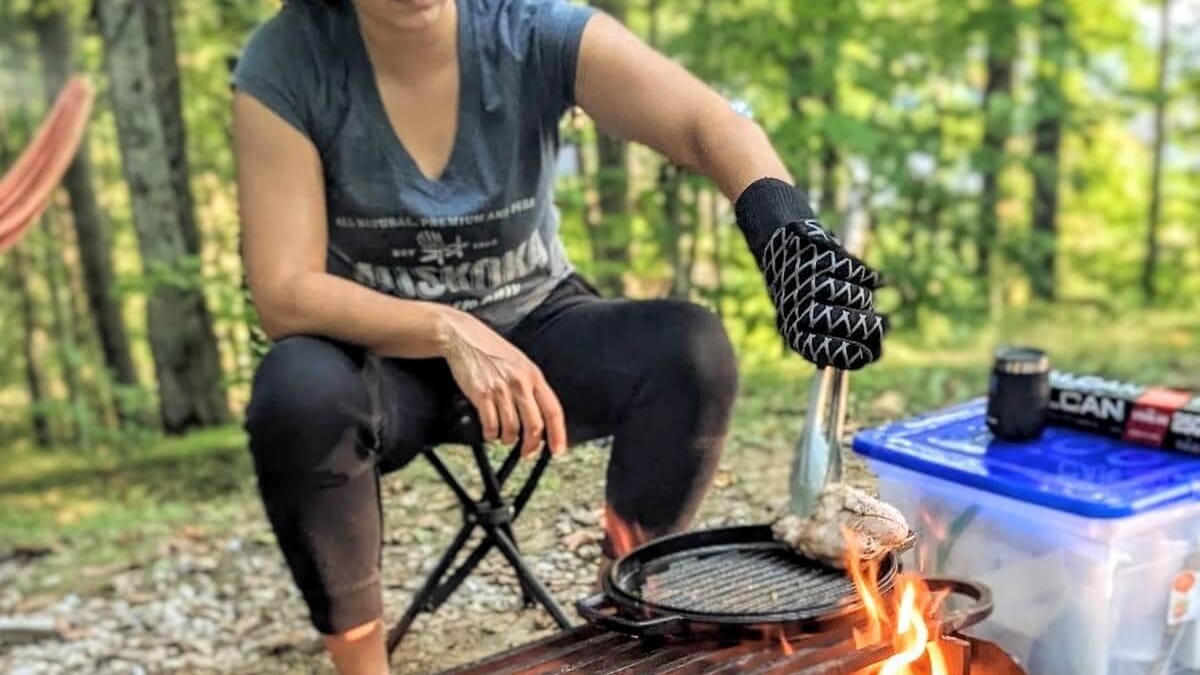
If we’re cooking over an open fire, having a fireplace grill or a cast-iron grate can be invaluable. These allow us to position our food over the flames safely and evenly. Other tools like skewers, rotisserie attachments, and fire-safe pans can open up a world of culinary possibilities.
For those adventurous cooks, investing in a portable campfire or fire pit can expand our cooking options, allowing us to take the experience on the road or into the backyard.
Preparing Our Ingredients
One of the great joys of cooking over an open flame is the simplicity it encourages. With fewer distractions and the natural flavors of fire, we can focus on our ingredients.
When we prepare our food for cooking over an open flame, we want to think about the size and shape of our ingredients. Larger cuts of meat may require longer cooking times, so cutting them into smaller pieces can help achieve that delicious char while ensuring they cook through. Vegetables can be skewered or wrapped in foil for easy handling and even cooking.
It’s also important for us to season our ingredients well. The smoky flavor from the fire can be enhanced with marinades or rubs. We should consider using ingredients like olive oil, herbs, and spices to create layers of flavor that complement the natural taste of the food.
Mastering the Flame
Understanding how to control and work with fire is one of the most critical aspects of open flame cooking. Fire has a mind of its own, and we need to learn to dance with it rather than fight against it.
To begin, we should familiarize ourselves with the different kinds of heat. Direct heat is when our food is placed directly over the flame, leading to a quick and intense cooking method, perfect for searing meats or charring vegetables. On the other hand, indirect heat allows us to cook food more slowly, ideal for larger cuts of meat or when we want to avoid burning.
It’s also vital for us to manage our flame. A roaring fire can quickly turn our beautifully marinated steak into a charred mess, so we need to be mindful of our heat source. Creating zones with our fire can allow us to move food back and forth between direct and indirect heat, giving us greater control over the cooking process.
Techniques for Cooking Over an Open Flame
Now that we have a grasp on the basics, let’s explore some specific techniques that can elevate our open-flame cooking game.
One of the most popular methods is grilling. Whether we’re using a gas or charcoal grill, we should preheat our grill and ensure it’s clean to avoid sticking. One trick we can use is to oil our grill grates before placing our ingredients on them. This simple step can prevent food from falling apart and allow those beautiful grill marks to form.
Another exciting technique is roasting. This can be done using a cast-iron skillet or a grill basket. We can toss our vegetables or meats with oil and seasoning, then place them into our skillet and set it over the fire. This method allows us to create a delicious caramelization on our food while infusing it with that smoky flavor.
For those who love a bit of fun, let’s talk about skewering. There’s something wonderfully satisfying about cooking food on a stick. Skewering meats and vegetables can also help with even cooking and make for a fantastic presentation. When we skewer our ingredients, we can alternate colors and textures, making our meal visually appealing while adding various flavors.
And let’s not forget about baking! Yes, we can bake over an open flame. Using a Dutch oven or a cast-iron skillet, we can create delicious bread, pizzas, or even desserts. The key is to control our heat by placing coals on top of the Dutch oven, allowing for even cooking on all sides.
Safety First
As we venture into the world of open flame cooking, it's crucial that we prioritize safety. Fire can be unpredictable, and we need to respect its power.
Before we start cooking, we should ensure that our cooking area is free from flammable materials. We also want to have a fire extinguisher or a bucket of water or sand nearby, just in case things get a bit too hot to handle.
When working with raw meats, we must remember to keep our surfaces clean and avoid cross-contamination. Using separate utensils and plates for raw and cooked foods is essential to keep our meals safe and delicious.
Embracing the Experience
Cooking over an open flame is not just about the food; it’s about the experience. We should take the time to enjoy the process and the company we’re with. Whether we’re camping with friends, having a family cookout, or simply enjoying a quiet evening in our backyard, the moments we share around the fire can create lasting memories.
As we cook, let’s also take the opportunity to experiment. The beauty of open flame cooking is that there are no strict rules. We can try different ingredients, seasonings, and techniques. Maybe we’ll find that we love grilled peaches drizzled with balsamic glaze, or perhaps we’ll discover the joy of smoky roasted garlic.
The Joy of Sharing
Finally, one of the best parts of cooking over an open flame is sharing our creations with others. We all know that food tastes better when it’s enjoyed with family and friends. As we gather around the fire, sharing stories and laughter, let’s make it a point to celebrate our culinary adventures.
Whether we’re serving up juicy burgers, perfectly charred vegetables, or a delightful dessert, the joy of cooking over an open flame is about bringing people together and creating delicious memories.
So, as we embrace this age-old cooking method, let’s remember to enjoy every moment. With each crackle of the fire and each bite of our delicious creations, we can discover the simple pleasures of life that come from cooking over an open flame. Let’s get out there, light up that fire, and let the culinary adventure begin!