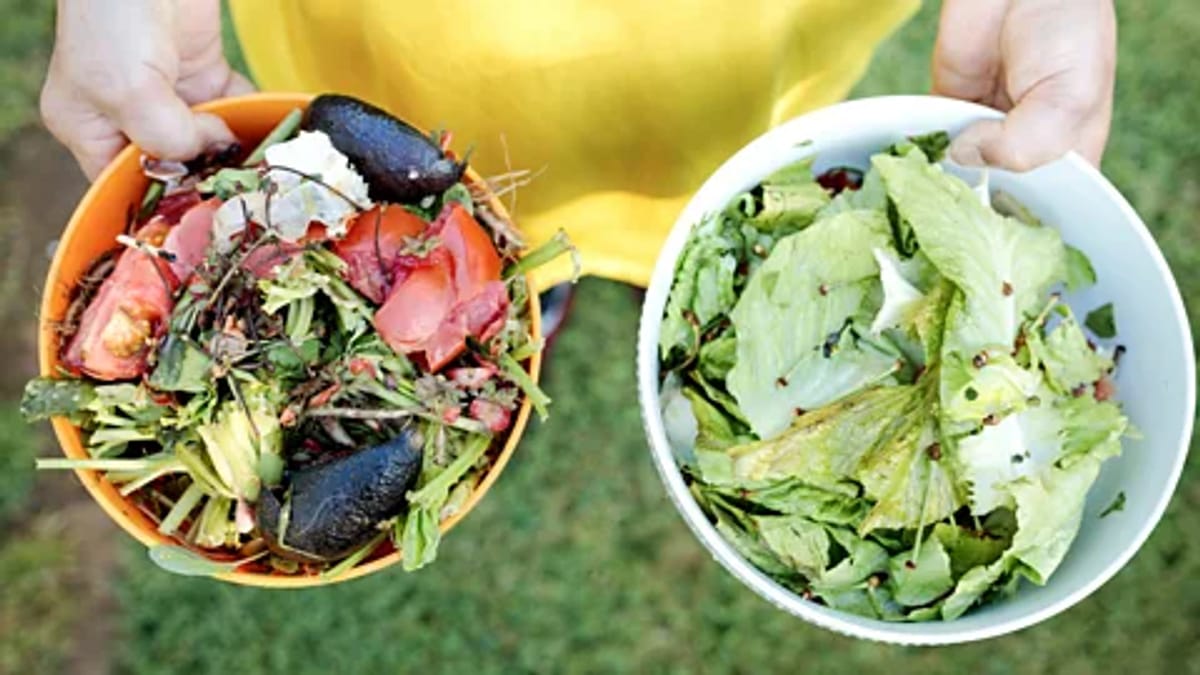
10 "Kitchen Scraps" You Should Never Throw Away
Introduction
We all know the feeling: You’re in the kitchen, whipping up a delicious meal, and suddenly you’re faced with a pile of scraps. What do you do? Most of us toss them in the trash without a second thought. But what if I told you that some of those “kitchen scraps” could be transformed into something useful, delicious, or even essential for your cooking?
In this blog post, we’re diving into 10 kitchen scraps you should never throw away. From vegetable peels to herb stems, these often-overlooked ingredients can elevate your cooking and help you reduce waste in the process. Let’s explore how you can make the most of these scraps!
1. Vegetable Scraps
What to Save
- • Peels: Carrots, potatoes, and onion skins
- • Ends: Root ends of celery, leeks, and scallions
- • Stems: Broccoli and cauliflower stems
How to Use Them
Instead of tossing those vegetable scraps, use them to make a flavorful homemade vegetable broth. Simply collect your scraps in a bag in the freezer until you have enough to fill a pot. Add water and simmer for a couple of hours to extract all the flavors.Tip: Keep a container in your freezer specifically for vegetable scraps. When it’s full, it’s time to make broth!
2. Herb Stems
What to Save
- • Stems from parsley, cilantro, basil, and dill
How to Use Them
Herb stems pack as much flavor as the leaves. Instead of discarding them, chop them finely and add them to dishes for extra flavor. They’re perfect for soups, sauces, or marinades.Quick Recipe Idea: Add chopped herb stems to your next pesto for an added depth of flavor.
3. Citrus Peels
What to Save
- • Peels from lemons, limes, oranges, and grapefruits
How to Use Them
Citrus peels are incredibly versatile. Use them to infuse flavor into oils, vinegars, or even homemade candies. You can also dry them to make a zesty addition to teas and spice mixes.DIY Citrus Zest Infused Oil:
- 1. Peel the citrus, avoiding as much of the white pith as possible.
- 2. Place the peels in a jar and cover with olive oil.
- 3. Let sit for a week to infuse the flavor.
4. Onion Skins
What to Save
- • Outer layers and skins of onions (especially yellow and red ones)
How to Use Them
Onion skins are rich in antioxidants and can add a beautiful color to your stocks and broths. Simply toss them in with your vegetable scraps for a rich, flavorful broth.Bonus Tip: You can also use onion skins to dye Easter eggs naturally!
5. Coffee Grounds
What to Save
- • Used coffee grounds from your coffee maker
How to Use Them
Used coffee grounds are fantastic for more than just getting your caffeine fix! They can be used as a natural fertilizer in your garden or even as a deodorizer in your fridge.Culinary Use: Incorporate coffee grounds into baked goods like brownies or cakes for a subtle coffee flavor.
6. Eggshells
What to Save
- • Clean, dried eggshells from eggs you’ve used
How to Use Them
Eggshells are a powerhouse of calcium. You can crush them and add them to your garden to enrich your soil, or even use them in homemade bone broth to boost calcium content.Cooking Tip: Rinse and dry the eggshells, then grind them into a fine powder. This can be mixed into smoothies or baked goods as a calcium supplement.
7. Stale Bread
What to Save
- • Any leftover bread that has become stale
How to Use Them
Stale bread can be transformed into breadcrumbs, croutons, or even bread pudding. Just cut it into cubes, toss it with olive oil and seasonings, and bake for delicious croutons.Easy Homemade Breadcrumbs:
- 1. Tear stale bread into pieces.
- 2. Pulse in a food processor until you reach the desired crumb size.
- 3. Store in an airtight container in the freezer.
8. Potato Peels
What to Save
- • Peels from potatoes (especially organic ones)
How to Use Them
Instead of discarding potato peels, roast them for a crunchy snack! Toss them in olive oil and your favorite seasonings, then bake until crispy.Roasted Potato Peel Chips:
- 1. Preheat your oven to 400°F (200°C).
- 2. Toss peels with olive oil, salt, and spices.
- 3. Spread on a baking sheet and bake for 15-20 minutes or until crispy.
9. Corn Cobs
What to Save
- • Leftover cobs after corn has been removed
How to Use Them
Don’t throw away those cobs! They can be used to flavor soups and stocks. Simply add them to your pot while cooking to impart a subtle corn flavor.Sweet Corn Stock:
- 1. Simmer corn cobs in water for about an hour.
- 2. Strain and use the stock in soups or risottos.
10. Banana Peels
What to Save
- • Peels from bananas
How to Use Them
Banana peels are often overlooked but can be used in various ways. They can be blended into smoothies for added fiber, or used to make a natural fertilizer for your plants.Creative Use: Try making banana peel bacon by marinating the peels in soy sauce and spices, then baking until crispy!
Conclusion
Reducing kitchen waste doesn’t have to be a chore. By rethinking how we view scraps, we can enhance our cooking, save money, and contribute to a more sustainable kitchen. The next time you're preparing a meal, think twice before tossing those vegetable scraps, herb stems, or even stale bread into the trash. With these ten tips, you’ll not only improve your cooking skills but also embrace a more resourceful approach to food.
So, roll up your sleeves and get creative! Happy cooking!