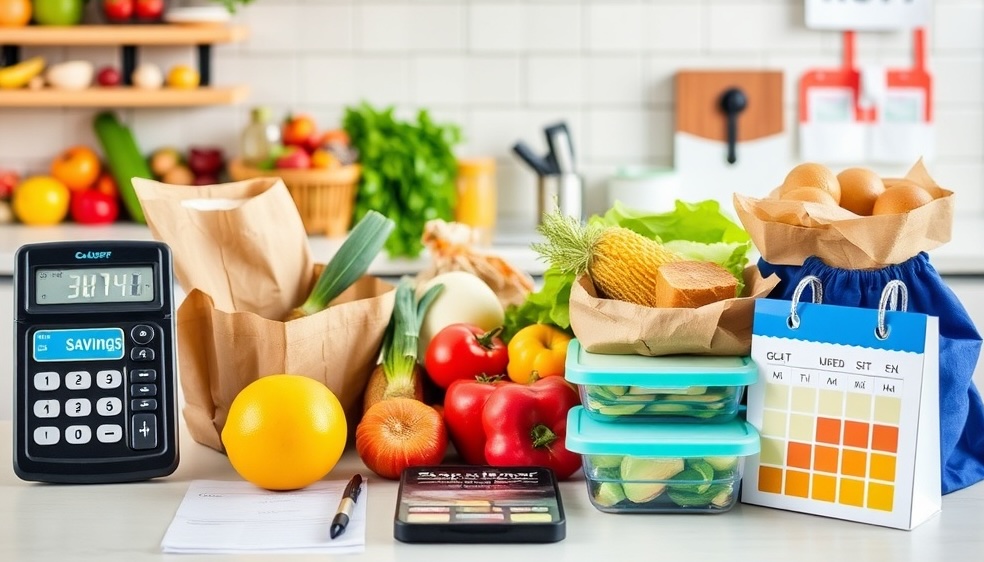
10 Grocery Shopping Hacks That Will Save You Time and Money
Introduction Food inflation, impulse marketing, and busy schedules can make grocery shopping feel like a drain—financially and mentally. Yet with a tiny shift in approach, you can spend less, waste less, and cook more—without coupon clipping marathons or bland budget compromises. These 10 hacks (plus a few bonus micro‑moves) systematize your buying behavior so you _automatically_ optimize value. Think of this as the culinary equivalent of setting up autopay for your pantry.
We’ll cover planning frameworks, zone‑based list design, unit pricing math, seasonal leverage, batch ingredient mapping, and storage timing. Apply even three of these and you’ll notice immediate savings. Layer all ten and you’ll feel like you hacked the supply chain.
Hack 1: Build a “Core Meal Matrix” Before You Ever Make a List
Most waste happens because ingredients enter the cart with _no assigned job_. Fix this by pre‑mapping a Core Meal Matrix:
| Meal Slot | Protein | Base | Veg/Fiber | Flavor Accent | Result |
|---|---|---|---|---|---|
| Weeknight 1 | Chicken thighs | Rice | Broccoli | Ginger-soy | Sticky skillet chicken bowl |
| Weeknight 2 | Canned beans | Tortillas | Peppers/onion | Chili-lime | Veg fajita wraps |
| Weeknight 3 | Eggs | Sourdough | Spinach | Feta + herbs | Shakshuka toast |
| Weeknight 4 | Salmon | Quinoa | Green beans | Lemon-dill | Sheet pan salmon |
| Weeknight 5 | Ground turkey | Pasta | Zucchini | Tomato basil | Lean bolognese |
- 1. Choose 4–6 anchor dinners + 2 quick lunches + 1 breakfast batch item (granola, overnight oats).
- 2. Extract ingredient overlaps (e.g., spinach used in breakfast + dinner).
- 3. Build the shopping list only after consolidation.
> Pro tip: Keep 2 “flex” meals as pantry-only (e.g., tuna + chickpea salad) for schedule shifts; prevents ordering takeout when plans derail.
Hack 2: Use a Zone-Based, Not Category-Based, List Structure
Traditional lists (Produce, Dairy, Meat…) force backtracking and impulse exposure. Instead, structure by store walking zones in the order you’ll encounter them:
- 1. Entry / Promotional Island (Skip or targeted)
- 2. Produce (outer perimeter)
- 3. Bulk / Dry goods
- 4. Canned / International
- 5. Dairy / Eggs
- 6. Meat / Seafood
- 7. Frozen
- 8. Checkout (only pre-planned items)
- • Decision fatigue (only one active section at a time).
- • Random aisle detours (fewer unplanned grabs).
- • Forgotten items (structured cognitive path).
Hack 3: Master Unit Price & “Effective Use” Price
Discount tags trick you into buying volume you won’t finish. Focus on two numbers:
| Concept | Formula | Purpose |
|---|---|---|
| Unit Price | Shelf Price ÷ Weight/Volume | Compare brand/package sizes |
| Effective Use Price | (Total Price ÷ Portions Actually Used) | Reveals hidden waste cost |
- • 3 lbs carrots for $4 vs. 1 lb for $2.50. Unit price favors the big bag ($1.33/lb vs. $2.50/lb). But if you toss 1 lb due to spoilage, effective use price becomes $4 ÷ 2 usable lbs = $2.00/lb. Savings evaporate.
Micro‑hack: Photograph price tags for staple items monthly; build a quick spreadsheet (or notes) to spot creep and know a true sale.
Hack 4: Shop “Pre‑Cooked” in Your Head—Not Just Ingredients
Instead of asking “Do I need chicken?” ask “Is Thursday’s lemon-herb chicken fully kitted out?” Visualize the finished dish; list _only missing components._ This prevents duplicate pantry buys and ensures you don’t get home and realize you forgot starch or acid.
Checklist per meal:
- • Protein / Base / Veg / Flavor builder (spice/herb/sauce) / Texture contrast / Acid / Fresh garnish.
Hack 5: Leverage Seasonality + Loss Leaders Strategically
Grocery chains rotate loss leaders (ultra‑discounted items to lure you in). Combine those with in‑season produce for maximum nutrient + flavor + cost efficiency.
Seasonality leverage:
- • Build 1–2 “spotlight” meals around what’s cheap _this_ week (asparagus in spring, stone fruit in midsummer, squash in fall).
- • Freeze or batch prep surplus (slice discounted berries, freeze on tray, bag for smoothies).
- • Use sale proteins to create freezer “meal builds” (marinated raw chicken sealed + dated).
Hack 6: Batch Prep “Ingredient Primitives,” Not Full Meals
Full meal prep can create boredom. Instead, prep primitives: versatile building blocks.
| Primitive | Prep Once | Reuses |
|---|---|---|
| Roasted sheet pan vegetables | 2 trays Sunday | Side dish, grain bowl, omelet filling |
| Cooked neutral grain (quinoa/rice) | 6 cups | Stir‑fry, salad base, stuffed peppers |
| Pickled red onions | 1 jar | Tacos, salads, sandwiches |
| Simple vinaigrette | 1 cup | Marinade + dressing |
| Herb oil / chimichurri | 1 jar | Drizzle on proteins & veg |
Storage rotation: Label with prep date. Prioritize items nearing 4–5 day window first in lunches.
Hack 7: Use the “Cold Chain” Priority Rule in Store
Optimize speed + food safety to reduce quality loss (quality loss = wasted money). Sequence cold/frozen pickups last so they spend less time warming.
Suggested in‑store order (embedded in Zone List earlier): Ambient → Heavy dry goods → Produce (choose last so you aren’t bruising fragile greens while loading other shelves) → Meat → Dairy → Frozen. Then checkout promptly.
Bring insulated bag or small collapsible cooler for summer. Especially critical for fish and delicate berries. Better texture retention = longer edible window.
Hack 8: Apply a 3‑Tier Pantry Par System
A Par Level is the minimum you want on hand before reordering. Create tiers:
| Tier | Items | Par Qty | Reorder Trigger |
|---|---|---|---|
| Daily Staples | Salt, olive oil, eggs, onions, garlic, flour | 1 active + 1 backup (oil/flour) | Open backup |
| High Turnover Flavor | Canned tomatoes, beans, broth, soy sauce, spices | 2–4 each | Down to last can/jar |
| Opportunistic | Specialty grains, dried chiles, coconut milk | 1 | Plan recipe before replacing |
Bonus: Keep a “Need Soon” running list on fridge—NOT on your main grocery doc until triggered. Reduces clutter in weekly planning.
Hack 9: Set Up a Fridge “Use First” Zone
Designate the top left (or a clear bin) as USE FIRST. Rules:
- • Only near‑expiry or prepped leftovers allowed.
- • Check it _before_ writing the weekly list and _before_ each meal assembly.
Visual cue: Bright tape label or a transparent bin with bold marker. The frictionless reminder curbs neglect.
Hack 10: Adopt the 5‑Minute Post‑Shop Reset
The shopping trip isn’t done at checkout. A micro‑investment when you get home saves hours later:
- 1. Set a timer for 5 minutes.
- 2. Portion bulk proteins into meal‑size freezer bags (label date + marinade if desired).
- 3. Rinse & spin greens; layer with towel for longevity.
- 4. Move berries to shallow container (paper towel bottom).
- 5. Pre‑chop only what you _know_ you’ll use within 48–72 hours (e.g., onions, carrots for two meals).
- 6. Update digital list removing now‑stocked items.
- 7. Place imminent‑use produce in front right; long‑term back.
Bonus Micro-Hacks (Rapid Wins)
- • Leftover Mapping: Write on whiteboard: “Wed lunch = leftover chili.” Ensures intentional cooking volume.
- • Price Alerts: For expensive staples (olive oil, coffee), note normal price; only restock during sub‑threshold sale.
- • Barcode / Photo Inventory: Snap pantry shelves monthly; reduces forgetting you already own three coconut milks.
- • Ingredient Substitution Mental Library: Chickpeas ↔ cannellini ↔ great northern (soup), Greek yogurt ↔ sour cream (topping), citrus zest ↔ vinegar (brightness). Subbing prevents unnecessary “one more store trip.”
- • Use Your Freezer as Time Bank: Pre‑portion ginger (peeled coins), herb cubes (olive oil + herbs), citrus zest. Cuts midweek prep friction.
Sample Integrated Weekly Flow
| Day | Action | Outcome |
|---|---|---|
| Sat | Build Meal Matrix (6 dinners + 2 lunches + breakfast batch) | Structured ingredient set |
| Sun AM | Shop using Zone List | Fewer detours, no missing items |
| Sun PM | 5‑Minute Post‑Shop Reset + Primitive batch | Fast assembly assets ready |
| Mon–Thu | Pull from primitives + planned proteins | Reduced cooking time |
| Fri | Clear "Use First" bin (frittata) | Minimal waste |
| Sat | Quick inventory check + update pars | Continuous loop |
Waste Reduction Impact Snapshot
| Change Implemented | Before (Est.) | After (Est.) | Savings Vector |
|---|---|---|---|
| Produce wasted weekly | 20% | 5–8% | Fewer unassigned veggies |
| Extra grocery trips | 2–3 | 0–1 | Better planning + par triggers |
| Meal decision time (avg night) | 15 min | 3–5 min | Pre-mapped matrix |
| Impulse items per trip | 5+ | 1–2 | Zone sequencing |
Putting It All Together: The Mindset Shift
Frugality here isn’t deprivation; it’s intentional alignment of purchase → usage → nourishment. You’re designing a micro supply chain:
- • Demand Planning = Meal Matrix.
- • Inventory Control = Par tiers + “Use First” zone.
- • Procurement Efficiency = Zone list + unit price focus.
- • Production Optimization = Ingredient primitives.
- • Waste Mitigation = Friday clear-out + post‑shop reset.
7‑Day Challenge (Optional)
- 1. Photograph pre‑challenge fridge + receipt.
- 2. Run all 10 hacks for one week.
- 3. End of week: Photograph fridge again + list _unused_ items.
- 4. Compare cost of wasted food vs. prior week baseline.
- 5. Decide which 3 hacks delivered 80% of benefit; lock those in.
Final Summary
- • Plan meals as a matrix to eliminate orphan ingredients.
- • Structure lists by store path to lower impulses.
- • Track both unit and _effective use_ price to reveal true value.
- • Visualize finished meals while listing to avoid omissions.
- • Integrate, don’t chase, sales + seasonality.
- • Prep primitives, not clones of full meals.
- • Protect the cold chain + sequence pickups.
- • Maintain tiered par levels for staples.
- • Use a "Use First" zone + weekly clear ritual.
- • Finish every trip with a 5‑minute reset to convert potential into readiness.
Happy (smarter) shopping!